Emerging from the wilderness and arriving at an aid station during an ultramarathon can make you feel like stumbling into Las Vegas after camping in your grandfather’s cabin in the woods for a week.
Someone is likely ringing a cowbell like Will Ferrell. There’s likely going to be music blaring, either classic rock or rave (never anything in between), and a volunteer yelling at you for your bib number. At night, there’s enough twinkling bulbs to light a forest of Christmas trees. And as you walk into the chaos, an angel appears, asking you the most important question you’ll hear in any race: “What Can I Get You?”
The hope is that you’ll have an immediate answer and that you’re already taking off your pack to get refilled with water, patch your feet, change your socks or do one of the dozen other things you’ll need to do to cross the line of any ultra. But this is the best-case scenario.
Dropping into an aid station can sometimes seem overwhelming, even jarring, and before you know it, you’ll leave with a half-eaten donut, a dimming headlamp, and the hope you can limp along the final miles to the finish.
Instead, here are some tips on making the most of an aid station that will help you run the next section of the course as best possible.
6 Tips to Optimize Aid Station Experiences
Have a Plan Before You Start
Before you start a race, have a detailed plan for what you might need at every aid station, including foot care, clothing, gear, and nutrition, meals, and hydration. Many times your crew can meet you at certain aid stations, but that’s not true for all of them. Figure out what you can do by yourself at an aid station and what your crew should help you with when you see them.
Know what to expect at an aid station before you get there. Darcie Murphy, an ultrarunner and coach, reads about the aid stations before an event so she knows what to expect and what her crew should bring. You should know which aid stations are bare bones and the ones that are buffets. You should know if there’s extra water stations in between aid. You should even know which stations, if any, carry supplies for foot care, meds or chafing.
“It also doesn’t hurt to reach out to a race director well before the start,” Murphy said. “Don’t do it two weeks before.”
Think About What You Need Before You Arrive
A mile or two before you arrive at an aid station, start thinking about what sounds good to eat, how your feet feel and the gear you need to go on. Try to communicate all that with your crew—texting might be possible depending on cell service—even if they won’t be able to meet you at the next stop, and see if they agree. Then keep a list in the notes app on your phone of what you need to accomplish.
The chaotic nature of aid stations, compared to the peace offered by the trails, means you won’t be able to wing it when you arrive. So don’t try.
“Early on, I made the classic mistake of arriving at aid stations without a clear plan,” said Steven Krenn, a coach with Vert.Run. “I’d linger too long, eat random foods and sometimes forget something important like refilling bottles. Over time I learned to approach aid stations with a simple checklist. Having that structure saves time and energy, especially later in a race when your brain is foggy.”
Let Your Pacers and Support Crew Guide You
As you approach 50 miles and beyond, your body will deteriorate and fatigue, but your mind will too until you reach what ultrarunners call “toddler brain.” At that point, it’s hard to know what you want, let alone figure out what you need. Instead, talk with your pacers about what you need before an aid station, and let them guide you through it (with help from your support crew) once you arrive. Eat and drink the options they offer you (based on the choices you planned ahead of time) and don’t argue with them
“The pacer has the harder job,” Murphy said. “A pacer is more of a babysitter. They know, or should know, what your needs are.”
Eat and Be Wary
Krenn still strongly believes in the “nothing new on race day” commandment, but that can mean eating real food that you consume during your everyday life. It’s wise to consume calories at every aid station, but avoid being enticed by something out of the ordinary at an aid station and don’t ditch your fueling strategy.
Know what your failsafe options for calories are ahead of time, and make sure your crew refills your pack with a couple of items that can give you choices over the next section of the course.
“You should always test foods and fueling strategies in training to see how your body responds,” Krenn said. “That said, real food can work well if it’s something you already eat and tolerate. The key isn’t whether it’s a gel or a grilled cheese, it’s whether your body knows how to handle it.”
Don’t Rely on Aid Stations
Thinking of an aid station as an opulent oasis can be a mistake, and yet, too many runners are so reliant on them that they crash when, say, the volunteers don’t have coffee or a favorite candy bar or salt pill
“Think of aid stations as a helpful boost,” Krenn said, “and not your entire fueling plan.”
It’s OK to expect aid stations to have enough food to prevent you from bonking, but if you really need something, like a powdered drink mix for a specific hydration plan, or tape for your ankle, have your crew bring it.
“They can give you food, water and an ‘Attaboy!’” Murphy said. “There’s this illusion that they are there to take care of my every need. Well, not necessarily. They’re a safety net. The more self-sufficient you can be, the better you are set up for success.”
Don’t Stay Too Long
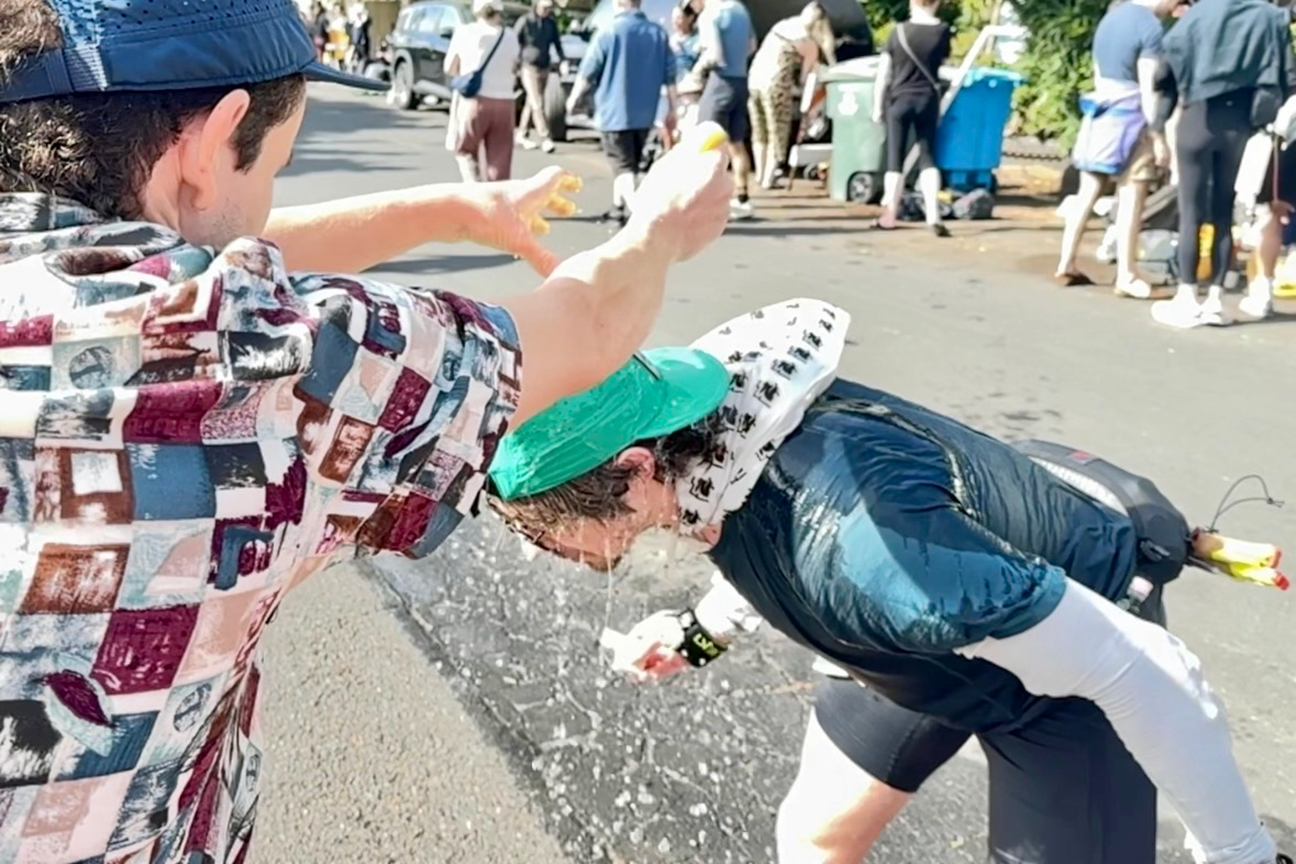
Probably the biggest mistake you can make at an aid station is simply to stay too long. Get whatever you need—calories, refilled bottles, fresh socks, ice, etc.—and get on your way.
A brief chance to sit down can easily stretch into 20 minutes or more, so be careful about sitting down at all. In that case a race with a generous amount of aid stations can work against you: Those 20 minutes every 5 miles will add up into missing your cutoffs.
Remember, you trained to run the race, not rest in the aid stations. Most of these other tips are designed to help you get into an aid station, get what you need and go. Make sure you’re following that mantra.
“Early in my racing career, I treated aid stations like mini-rest stops instead of quick pit stops,” Krenn said. “Every extra minute adds up over the course of a race. Now I try to approach them with a purpose: Take care of what’s needed, thank the volunteers, and keep moving.”
Dan England is a UESCA-certified running coach specializing in ultramarathons and Colorado 14er climbs, focusing on endurance, trail running, and helping athletes finish long-distance races. Based in Greeley, Colorado, he offers personalized coaching for trail running, 50K-100 mile races, and peak climbing.
RELATED: 8 Mistakes New Trail Runners Make (and How to Avoid Them)
RELATED: 12 Trail Running Shoes To Consider Adding To Your Quiver This Spring
RELATED: What to Expect For Your First Ultra
RELATED: Your Quick Guide to Tapering: Frequently Asked Questions
RELATED: How to Train for Trail Races Without Access to Trails
RELATED: Running an Ultra Through the Night: Staying Awake, Alert, and Mostly Sane
RELATED: What to Expect For Your First Ultra