The wait is worth it, but it might take years to get into two of the most prestigious trail races in the U.S.
When Ann Ongena got into last year’s Hardrock 100, she didn’t tell anyone for two weeks.
“I thought it was a dream,” said Ongena, 62, who lives in Newbury Park, California. “I had to get used to the idea.”
She wasn’t even following coverage of the lottery as the names were drawn. A friend texted her the news, using several exclamation points. She’d been trying to get into the 101.7-mile race through the rugged San Juan Mountains of Colorado since 2014.
“I really wanted to do it,” Ongena said. “The mountains are very special there. But I never expected to have my name pulled. I never thought I would be that lucky.”
Indeed, the only thing harder than finishing the Hardrock 100 may be getting into it. The race is recognized as one of the toughest ultramarathons to get into. The race only takes 147 runners a year, and last year, when Ongena’s name was called, more than 2,700 had applied.
It is, likely, second only to the Western States 100-Mile Endurance Run when it comes to difficulty of entry. More than 11,000 runners apply to that one now, and only 369 get in every year. When you include Golden Ticket winners, sponsor entries and other special consideration entries, only about 270 spots are up for grabs in the lottery.
First-time applicants have less than a half-percent chance of getting in, and when they do, they face the wrath of those who have been turned away for a decade or more. Last year, when a first-time applicant was drawn in Western State’s live lottery, the runner was booed.
Dale Garland, Hardrock’s race director since its inception in 1992, feels for the runners who don’t get in year after year. He’s a runner himself, though his bad hips prevent him from experiencing the difficulty of getting into a race now. Running the Leadville 100 was one of the most magical experiences of his life. He wants that for anyone willing to scramble over the San Juans, even if it takes them two full days and nights.
It’s a dream job to operate one of the world’s most iconic races, both Garland and Craig Thornley, Western State’s race director, say. But it’s not as fun until the lottery is over.
“That’s when we finally get to say yes to people,” Thornley said. “We have to say no all the frickin’ time. It’s not fun for either of us. But for those that do get in, we give them a heck of a product.”
No Waiting: Find Your Next Trail Race!
Before the Boom
Garland never foresaw a time when ultrarunners would beg to run Hardrock.
“No,” Garland said and laughed. “No, no, no. Not even a bit. We never saw the sport exploding this way, and we never assumed the role we would have with the ultrarunning community.”
Times were, of course, different when he helped found Hardrock. When Garland decided he wanted to run the Leadville 100, in 1988, all he had to do was write the race director and ask his way in. He was a relative newbie to trail running, but he’d run a few 50-milers to prepare for a 486-mile jaunt from Durango to Denver on the Colorado Trail in 1988 to celebrate its completion. He ran Leadville four times between 1988 and 1991. Getting in was never a problem.
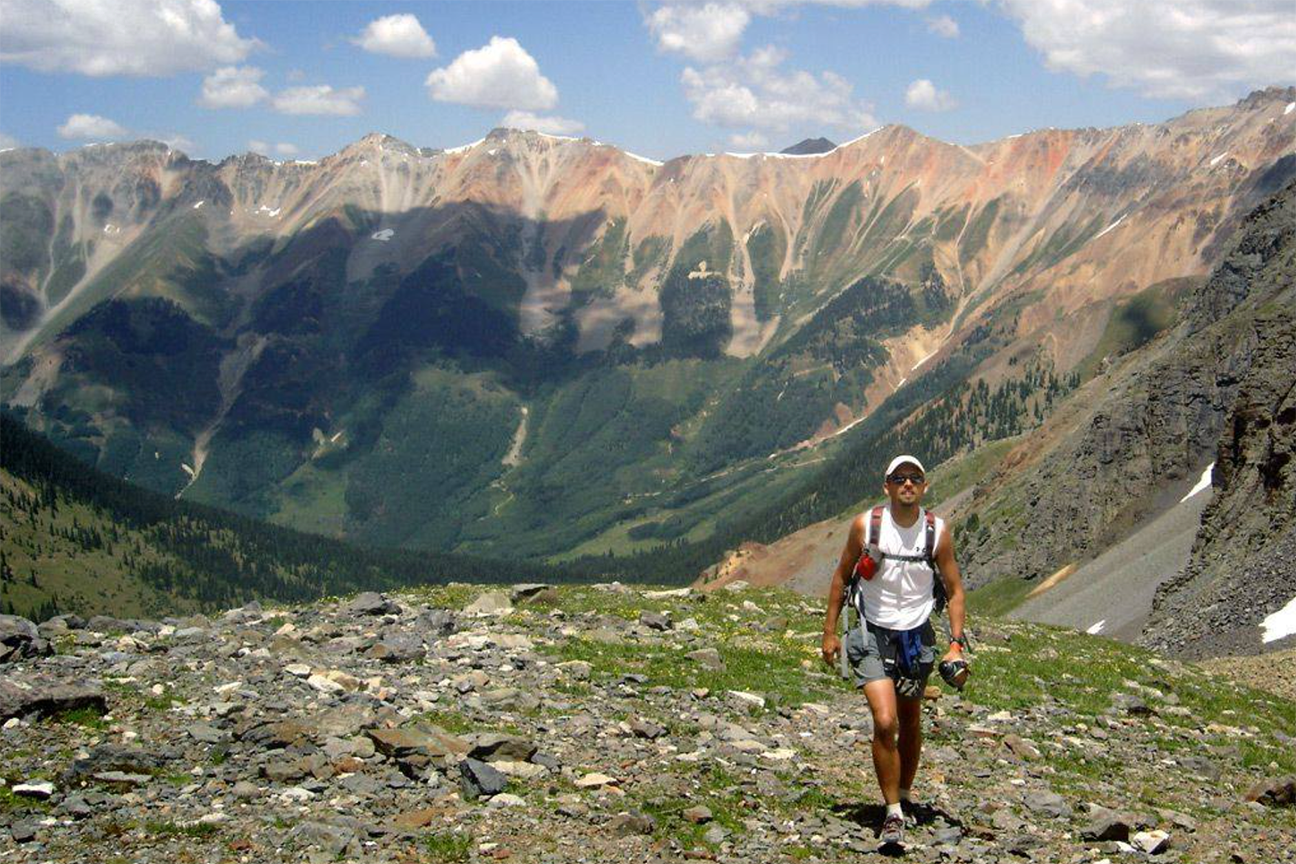
Hardrock, at one point, didn’t have a lottery, either. In fact, it’s been only recently that the races have seemed more like a dream, as Ongena said, than a race you could actually run.
In 2023, Western States had just over 7,000 enter its lottery. This year, more than 11,000 entered. Leadville now has its own lottery, and despite allowing more than 800 runners to enter every year, it’s a race that’s also increasingly hard to get into. Thornley believes more than 10,000 would apply to Hardrock, too, if Garland’s race wasn’t so picky about its qualifying races.
“It continues to blow me away,” Thornley said.
At the time Garland founded the Hardrock with Gordon Hardman, they may have fantasized about such crowds. The race was designed to bring some tourism to Silverton, which at the time was a struggling former mining town. They got the idea from Leadville after witnessing what the 100-mile race did for that city in the early 1980s.
But today, it’s doubtful Silverton, a town with a year-round population of about 620 residents, could withstand more visitors during Hardrock. One runner usually brings a village, as that’s what it takes, from crew members feeding them and massaging their feet to videographers filming their journey, all in a grand effort to help them “kiss the rock” in under 48 hours. Allowing as many as 200 runners would probably crack the foundation, Garland said.
“We really do wrestle with the idea,” he said. “But Silverton is already stressed when we hold the race. There’s really no way we could accommodate any more runners to any degree.”
Garland and Thornley admit they are asked “all the time” to increase their spots. Frustrated runners point to other races that have made moves to accommodate their exploding demand. The Ultra-Trail du Mont-Blanc (UTMB) festival of races in Chamonix, France, has room for more than 12,500 runners over seven events in late August.
And on the roads, the London Marathon, one of the six world majors and widely considered one of the world’s toughest marathons to enter, will host two marathons with 50,000 runners on back to back days next April in an attempt to soothe a frustrated base of more than 1 million annual applicants.
But in the case of Hardrock, Leadville and Western States, it’s mostly a moot point. Their permits with the U.S. Forest Service doesn’t allow them any discretion: The number of runners is based on what experts believe the public lands (and in some cases protected wilderness areas) can absorb in any one day.
And putting on a second race of that magnitude makes Garland and Thornley wince in response. Just a few weeks ago, Garland and his own crew of key contributors spent two whole days cooking food that will be served to the runners this weekend. Thornley recruits 1,500 volunteers to his event every single year.
The Luck of the Draw
It is, of course, not unusual for popular races to have lotteries, and they’re becoming increasingly common. UTMB has one. The Vermont 100 has a lottery, as does the Wasatch Front 100, and other races, such as the Yeti 100-Mile Endurance Run or Javelina Jundred, sell out fast. Cocodona 250 instituted a lottery this year after its 2026 race sold out in less than 15 minutes.
Many races, including Western States and Hardrock, also require a runner to complete an approved qualifying race to enter, so those spots aren’t wasted on yahoos. UTMB’s qualifying system is quite complex, as they require runners to collect “stones” by finishing specific races in its UTMB World Series circuit. The longer you run in a race, the more stones you get.
Races typically have a wait list, and those places are determined by a random drawing as well. The person first on a list has the option to jump in if someone drops.
Lotteries vary, but Western States and Hardrock both use a weighted system to ensure fairness. Runners are drawn from a hat at Western States, but not all runners are the same. The amount of tickets they receive doubles for every year they aren’t selected. Hopeful runners, for instance, will have 32 tickets in the hat in their sixth year.
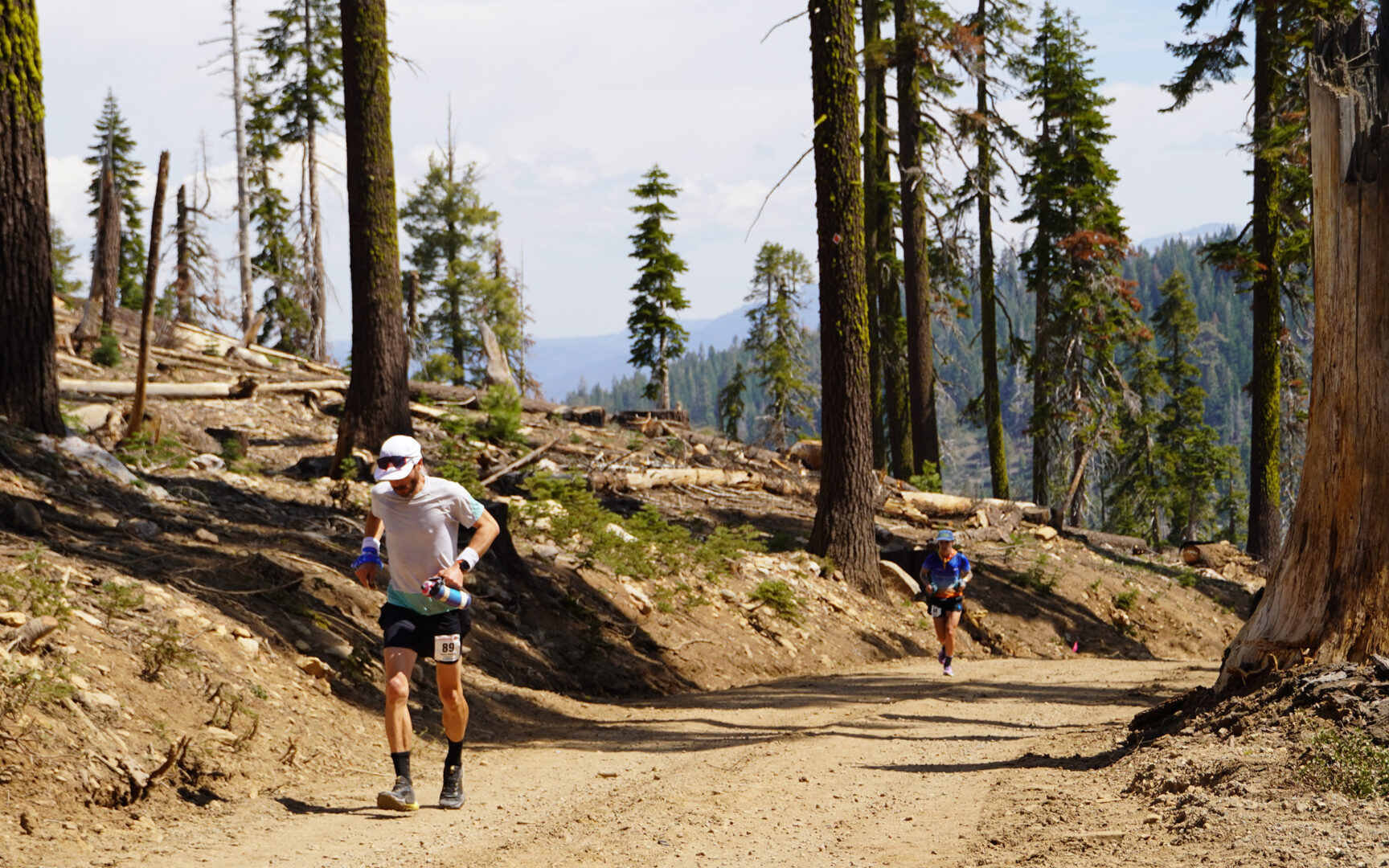
Let’s assume you aren’t a math genius. Western States’ own website lays out the percentages based on its 2025 lottery: There were nearly 10,000 entrants and nearly 70,000 tickets. Based on a draw of 260, a runner with two tickets had a nearly 1 percent chance. Runners with 32 tickets had a 12 percent chance. Those in their 10th year, with 512 tickets, had an 89 percent chance of getting in.
Hardrock’s system is complex, with a weighted system for those who entered but didn’t get to start the race and for volunteers. The race also ensures it has the same percentage of women on the starting as there were entered in the lottery. Last year that was a little more than 20 percent. Garland also has five spots to choose runners, with the board’s approval, who have earned a spot, such as a long-time volunteer, an elite runner or someone who has waited an especially long time.
A couple years ago, Western States had a decrease in the number of first-time applicants, and Thornely thought the lottery system may finally be discouraging some from entering. This year, however, the first-timers went back up.
“The lottery is a pretty daunting thing for the first-timers,” Thornley said. “But if you’ve invested in a few years, you’re not going to give up so easily. We have thousands and thousands of runners who have done that now.”
RELATED: Win an Entry to the 2027 Western States 100
The Waiting Game
Jason Jackson, 52, attends a Western States watch party with his ultrarunning friends who live in the Rapid City, South Dakota, area as he does. He and his friends have all tried to get in for several years now. He has one friend who will have 64 tickets next year. So far, no one’s had any luck. Jackson, however, doesn’t see much frustration in his group.
“I think a lot of us realize that ultrarunning was getting big when we got into it,” said Jackson, who has done five 100-milers since 2021, “and since we’ve started, it’s gotten that much bigger.”
There is little doubt that ultrarunning’s popularity is, in part, due to Hardrock and Western States and the mystique surrounding those iconic races, and other races have benefited from it, especially the races that can offer a Golden Ticket. Jackson said he’s done more 100-milers than he might have had he gotten in right away, and he enjoyed those experiences as well.
“I’m excited to do a race this fall to try to grab my ticket,” Jackson said, “and I don’t know if I would have gone to that race if I wasn’t trying to get in. But now I’m really excited about it.”
There are also many other great races with long histories and terrific traditions that runners could look at, including the Old Dominion 100-Mile, the second oldest 100-miler. The race is included in the Grand Slam of Ultrarunning.
“We always have an open slot for any registered Grand Slammer who wants to run,” said Wynne Waldron, the co-race director.
Runners such as Jackson are why Hardrock and Western States ponder the idea of expanding their limits, but they’re also the reason they want to keep their races manageable. Jackson respects that decision.
“I don’t want to be in a crowd with 20,000 people,” Jackson said. “I’ve run a big-city marathon. I don’t need to do that again.”
The good news, he said, is if one of his friends gets in, they all essentially get in.
“A lot of us have promised each other to come crew if somebody gets in,” Jackson said, “and it’s so much fun crewing anyway.”
There are other signs that those who do get into Hardrock or Western States treasure the opportunity. This year Western States had an 87 percent finisher’s rate, an “insane” number, Thornley said, for such a difficult race. The unusually cool weather certainly helped, but it’s also a sign that people are training hard for it.
“And we had no hospitalizations,” Thornley said, “so people didn’t run themselves into the ground.”
No Waiting: Find Your Next Trail Race!
Ready for Another Chance
Indeed, Ongena spent the last week in Silverton training on some of the steep downhills of the course, descents that some compare to a black diamond ski run, only slathered in scree, not snow. Those make her nervous. But she’s confident in her ability enough that she can finish, even if the mother of five and grandmother to six admits that her goal is to not finish last.
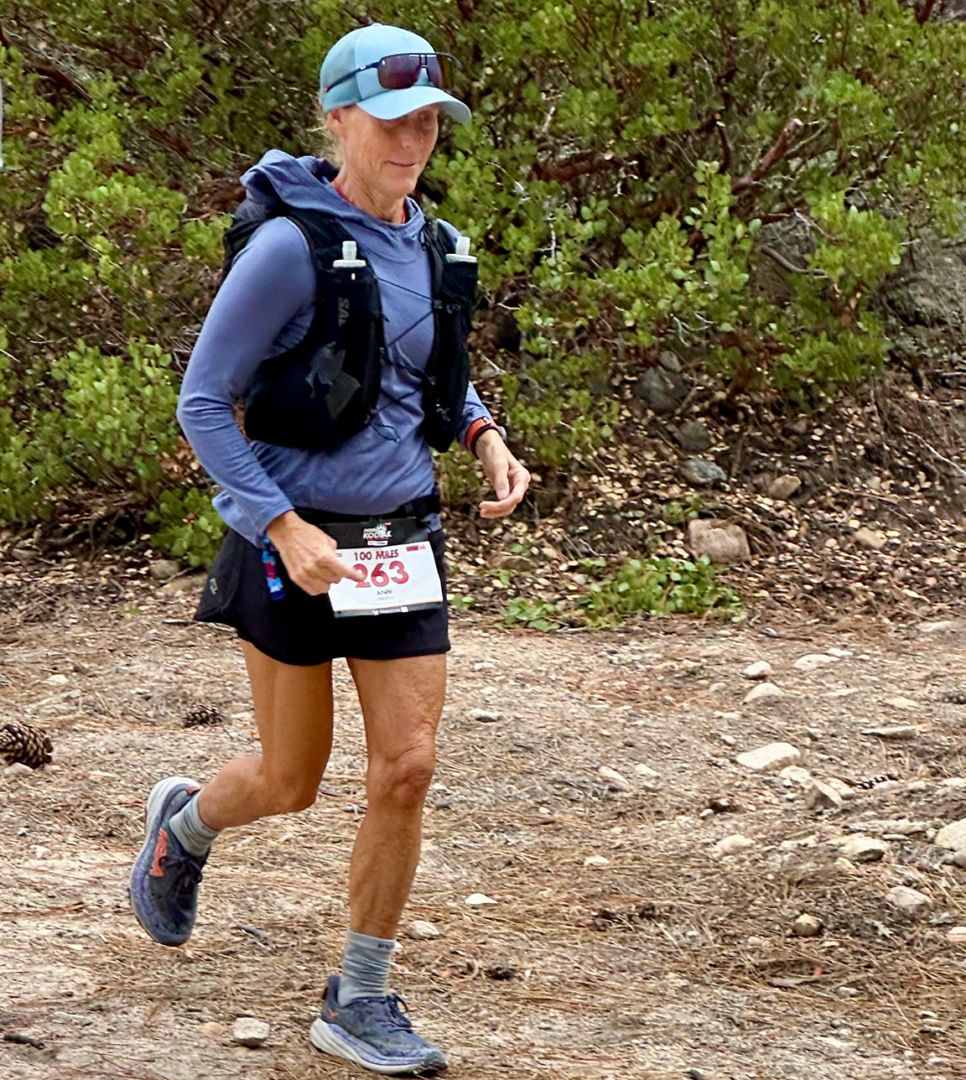
She’s confident, she said, because of all that time she spent waiting for her chance. She did UTMB four times and many other hard races in between all those lotteries.
“Honestly, you need all those years to train for it,” Ongena said. “If you get the ticket the first year, you’re not ready. I’m ready.”
Related: The 2026 Hardrock 100: What You Need to Know
RELATED: The Heart and Soul of Hardrock
RELATED: Why Hardrock Endures
RELATED: 25 Amazing Colorado Trail Running Races To Put on Your Must-Do List
- How Andrea Moore Became a Prolific 200-Miler

- How to Keep Running Ultras as You Age

- 6 Smart Tips to Successfully Navigate Aid Stations