
Why preventing these fueling and hydration mistakes can help improve your training, racing, and recovery.
At its core, trail running is quite simple; all you really need is to lace up your shoes and head out to the trails. Although getting started is pretty straightforward, maintaining long-term health, performance, and enjoyment requires a little bit more.
Proper nutrition plays a huge role in supporting your training and recovery, reducing injury risk, and minimizing GI distress. Whether you’ve been running trails for years or are newer to the sport, avoiding a few common mistakes can make a significant difference in how you feel and perform.
Mistake #1: Eating The Wrong Foods Before and After Your Runs
What you eat before and after your run has a major impact on both your performance and recovery. The right foods will give you the energy you need, but the wrong foods could leave you running for the bushes or bonking on the side of the trail.
First things first, eat before you run. Most trail runners will feel better with food on board, and regularly doing fasted training can significantly compromise performance and recovery. A common barrier to pre-run fueling is fear of stomach issues. The key is not skipping food, but choosing foods that are easy to digest and appropriately timed. Carbohydrates are the body’s primary and most efficient fuel source for endurance exercise. Before a run, prioritize a carb-rich meal that is low in fat, fiber, and protein.
- If you have less than 60 minutes before your run: choose quick-digesting carbs such as applesauce, a banana, a gel, sports drink, white toast with honey, a fig bar, or graham crackers. It doesn’t have to be much!
- If you have 1-3 hours before your run: the goal is still primarily carbs, but you can add a bit more volume and small amounts of protein and fat if tolerated, such as oatmeal, a bagel with peanut butter and banana slices, or low-fat yogurt with fruit.
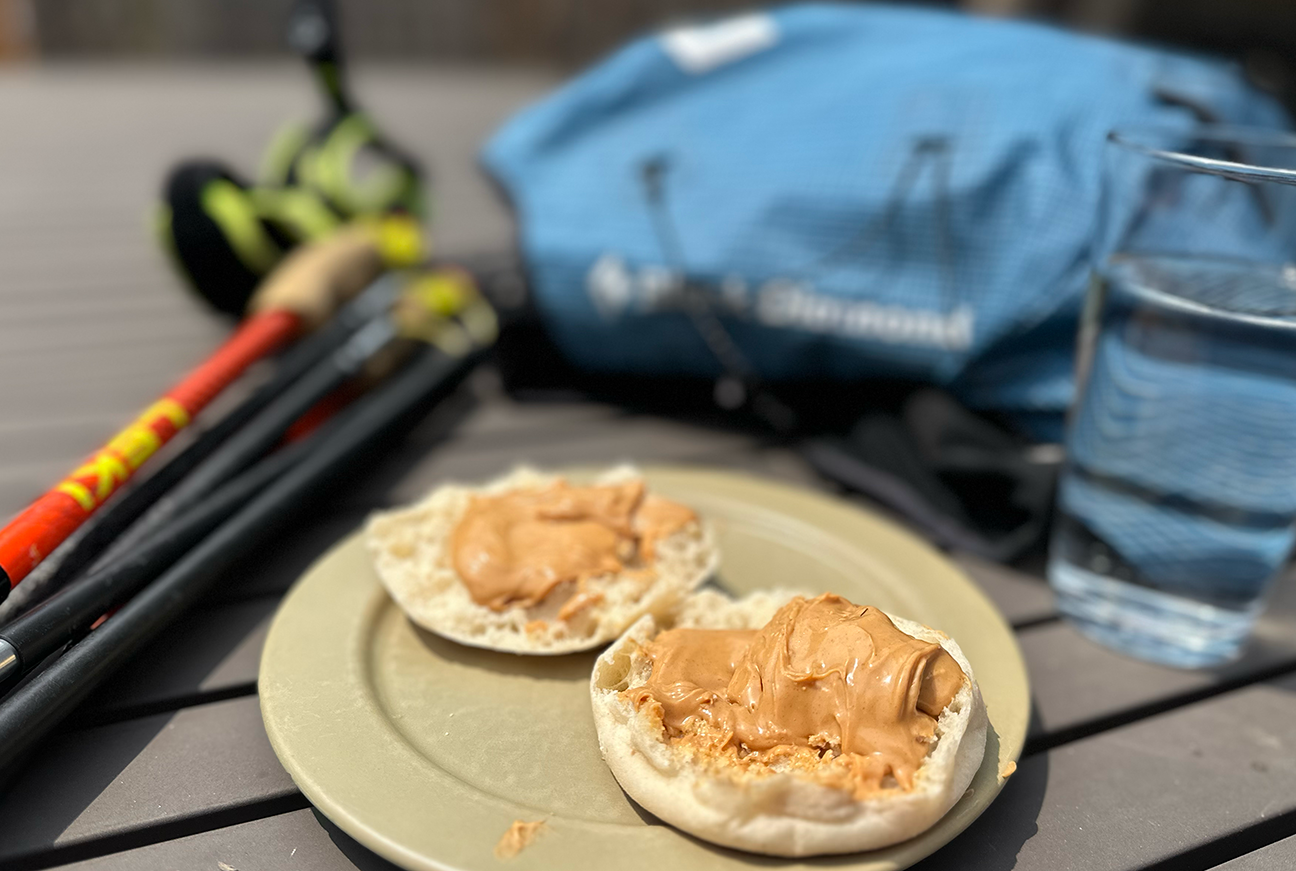
The run doesn’t stop until you get that recovery nutrition in. While protein typically gets most of the attention, carbohydrates are equally essential for supporting recovery. Within the hour of finishing your run, aim to get in 20-30 grams of protein and 60-80 grams of carbs. This combination supports muscle repair while restoring glycogen stores so you can adapt to your training and do it again tomorrow. Good recovery options include a smoothie with fruit and protein, chocolate milk and a banana, or a rice bowl with some chicken or tofu.
Mistake #2: Failing To Train Your Gut
There are a lot of conversations being had around high-carb fueling these days, and for good reason. The ability to take in a lot of carbs while running is a great way to improve performance, delay fatigue, and support recovery. It’s easy to look at all the athletes out there taking in 90+ grams of carbs per hour on runs, setting PRs in races, and feeling great after. But being able to take in a lot of carbs while training takes practice, and if your gut isn’t trained to digest that amount of carbs, your risk for GI issues increases.
The good news is that gut tolerance is trainable, and fueling with carbs during your runs is extremely important. A practical starting point for most runners is 30-40 grams every hour; this can come from gels, chews, sports drinks, or even real food options. Once this feels easy and comfortable, increase your intake gradually by 5-10 grams at a time and experiment with different products to see what sits and tastes best.
There are so many sports nutrition products out there right now, and trying out different tastes and textures is key. I hear from athletes all the time that they “can’t eat gels because they upset my stomach.” More often than not, the issue is that their gut wasn’t trained, their pre-run nutrition wasn’t ideal, or they haven’t found the right product.
Not everyone tolerates high-carb fueling the same way, and not everyone needs 90-120 grams per hour. Carb needs depend on duration, intensity, and individual tolerance. Working your way up to 60-75 grams per hour is a great goal, and as run duration and intensity increase, you can gradually experiment with higher intakes, if appropriate. The key is to start small, find nutrition products that work best for you, and practice your fueling strategy consistently in your training..
Mistake #3: Neglecting A Hydration and Sodium Strategy
Hydration is oftentimes oversimplified as just drinking when you are thirsty. A lot of the time, we may not even bring water out with us on a run. For shorter runs lasting an hour or less, this may be appropriate as long as you start the run hydrated and hydrate properly the rest of the day. But as our runs get longer and as we add in variables like altitude and temperature changes, consuming proper fluid and electrolytes become much more important.
From my experience working with trail and ultrarunners, many athletes prioritize a fueling plan and emphasize carbohydrates, and then forget about hydration and electrolytes. In reality, fueling, hydration, and electrolytes all work together, and problems with one usually affect the others.
A lot of GI issues in running can actually stem from an error in hydration; drinking too much, not drinking enough, taking in too much salt, not taking in enough salt. Hydration is highly individual and it is important to know both your sweat rate (how much you sweat) and your sweat sodium concentration (how much sodium you lose in your sweat). Many athletes come to me after experiencing nausea or vomiting in the later hours of races, and more often than not, hydration or electrolyte errors are a major contributor.
A general starting point is to aim for 16-24 ounces of fluid per hour and 400-800mg of sodium per hour, but depending on your individual needs, you may end up needing more or less than this. It’s important to stay on top of consistent hydration every hour of your runs and races, because once hydration gets thrown off, it’s hard to come back from.
Mistake #4: Ignoring Your Nutrition Outside Of Running
What you eat and drink during your runs is obviously very important, but we can’t forget about what we eat the rest of the day. One of the most common mistakes among trail runners is not eating enough to support the demands of their training. Running is an incredibly demanding activity with high energy requirements. When training volume increases, energy and carbohydrate needs also increase. Without intentional daily fueling, it’s surprisingly easy to underfuel, even if you’re eating three meals a day.
Underfueling can be from not eating enough total calories, but it can also come from not eating enough carbohydrates. As we mentioned earlier, carbs are the body’s primary energy source for endurance activity. As your mileage increases, your daily carb needs also increase. Consistently falling below your total calorie and carb needs can lead to fatigue, poor recovery, increased injury risk, hormonal disruptions, and eventually Relative Energy Deficiency in Sport (REDs).

Another common issue is unintentionally eating too healthy. Nutrient-dense foods are incredibly important, but they are typically lower in calories and higher in fiber, making it challenging to consume enough energy to support additional training. I see it all the time, when an athlete prioritizes salads, vegetables, and lean proteins and tries to eat “healthy” but is constantly fatigued or dealing with recurring injuries. Don’t get me wrong, it’s important to include nutrient dense foods and eat a quality diet, but it’s equally important to make sure your diet is providing enough total calories and carbohydrates to support your training.
As your training increases, make sure you include more carb-rich foods at your meals, like rice, pasta, oats, potatoes, bread and fruit. Continue including quality protein sources and healthy fats throughout the day, but maybe reach for the sandwich instead of the salad, and that extra scoop of pasta might just be exactly what your body needs.
Mistake #5: Trying New Things On Race Day
Trail races are exciting events. We put in a lot of hours training for them and we want them to go well, but the day of the race is not the time to try anything new. A common mistake runners make is testing out something new on race day in hopes of increasing the chances of having a perfect day. The ironic part is it usually does the exact opposite, unless you happen to get lucky.
Whether it’s trying a new gel or drink mix, using caffeine or sodium bicarb for the first time, or eating something new for dinner or breakfast before the race, if your body is not familiar with it, the risk for backfiring is high. All the runs you do in training are your opportunity to practice every component of your race day plan. Ensure you have practiced with any sports nutrition products you are going to use and in the same amounts. If you are going to use any additional supplements or hydration protocols before the race, make sure to practice those in training.
Dinner the night before and breakfast on race morning should be familiar meals that you have used and tolerated well before long runs. Everything on race day does not have to be perfect, but it should be practiced and familiar. Race day is really just the time to execute everything you have already practiced, not to experiment with new things.
One of the best things about trail running is the simplicity of it. At the end of the day, you really don’t need much to get involved, and your nutrition doesn’t have to be complicated either. Paying attention to a few key aspects of your fueling can go a long way in supporting your overall enjoyment and progress in this crazy sport.
RELATED: What to Expect For Your First Ultra
- 3 Things I Learned from Coming Back From Injury

- How to Keep Running Ultras as You Age

- Why Volume is King When Training for Ultras

- Hit Me Where It Hurts: How Ultrarunners Navigate Physical and Mental Pain

- What Causes a UTMB DNF? Here’s What The Data Says

- You should run a dress rehearsal at a small race before your big goal race