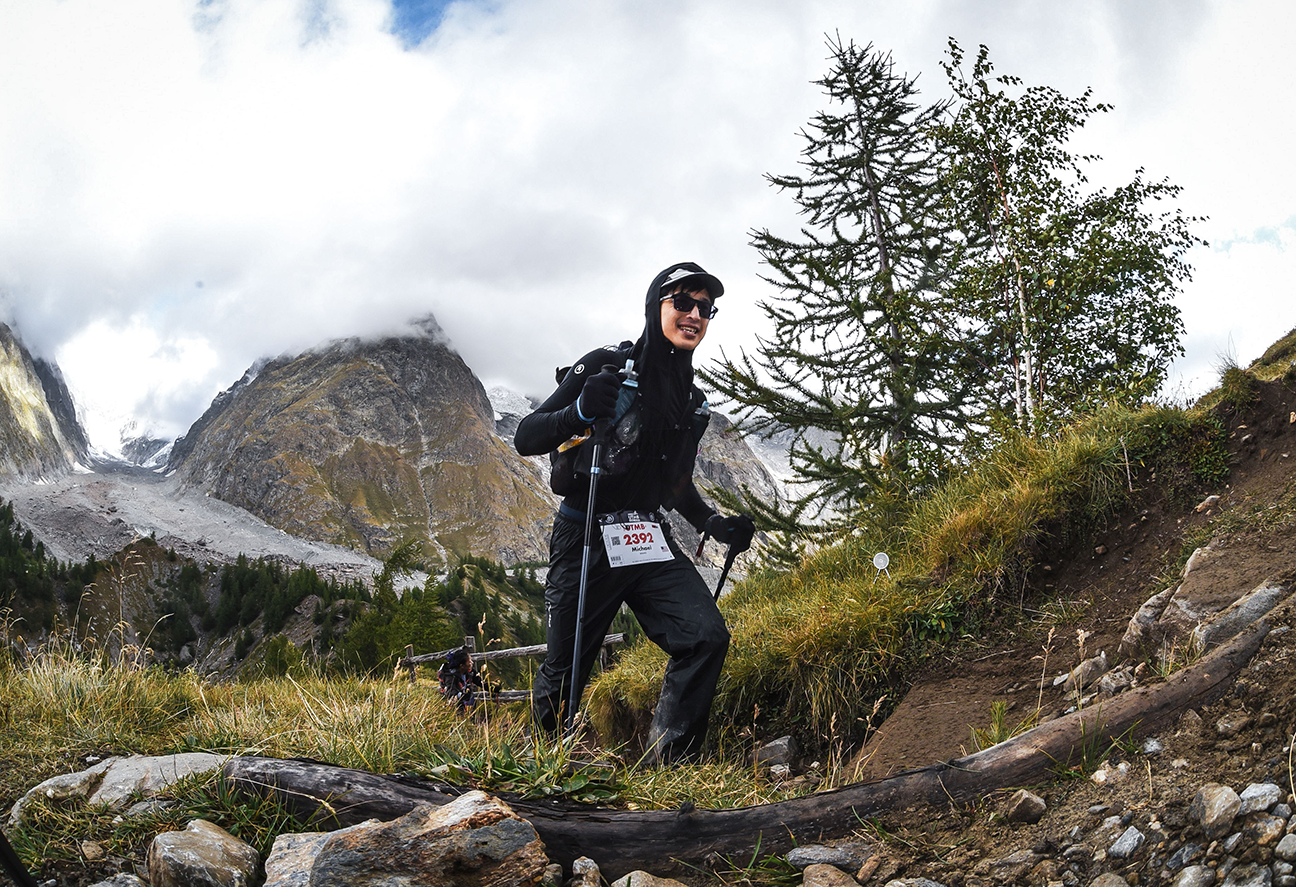
Welcome to ultrarunning: Sign up for your first 50K, start training and come join the fun!
Congratulations, you have run a marathon! Have you considered running even farther?
Running a marathon is a great accomplishment. It is likely that while “in it” you were questioning life choices, thinking “never again,” especially those last few miles, but you crossed the finish line, incredibly tired, incredibly sore, and inexplicably full of joy and pride.
Thoughts raced from “never again” to “when can I sign up for another one?” And thus began your voyage into the world of marathoning. You’ve started to plan vacations around marathons to places you might not otherwise visit. You’ve created a community around you of likeminded runners. You’ve found your place.
Then someone in your group starts talking about ultramarathons—that while they enjoy marathons, they have also enjoyed getting into the longer events. And while you have heard of these races and what seems like incredibly long distances, you’ve been pretty comfortable at this level of crazy … but why not give it a try?
Your mind might first say “because when I’m in the last few miles of a marathon, I can’t imagine being able to go another five miles!” What is true about that is, at your current marathon pace, it is likely true. The fun part is that you get to slow down just a little to be able to run a bit further.
Your mind might also say “but why?” to which there are a multitude of answers. My personal answers, which I am sure I have in common with many ultrarunners are as follows:
· Curiosity – I always want to know what lies over that next hill, around that next bend, and I want to know what it’s like to do it on foot. I want to know what it’s like to run 100 miles.
· Empowerment – Knowing I can run 1 mile to over 100 miles gives me a sense of “can-do-it” that spills into other areas of my life. We can all do hard things, and the more we do them the stronger we become both mentally and physically.
· Spirituality – Moving my body through time and space for hours on end connects me to the world in ways that sitting at a desk or driving a car or going through the mundane necessities of life just don’t do.
· Community – The ultrarunning community is notorious for camaraderie. There is a lot of suffering going on and nothing like having like minded nut jobs like myself to commiserate with. It usually comes with laughter and support and can lift you out of a bad spot during racing and training.
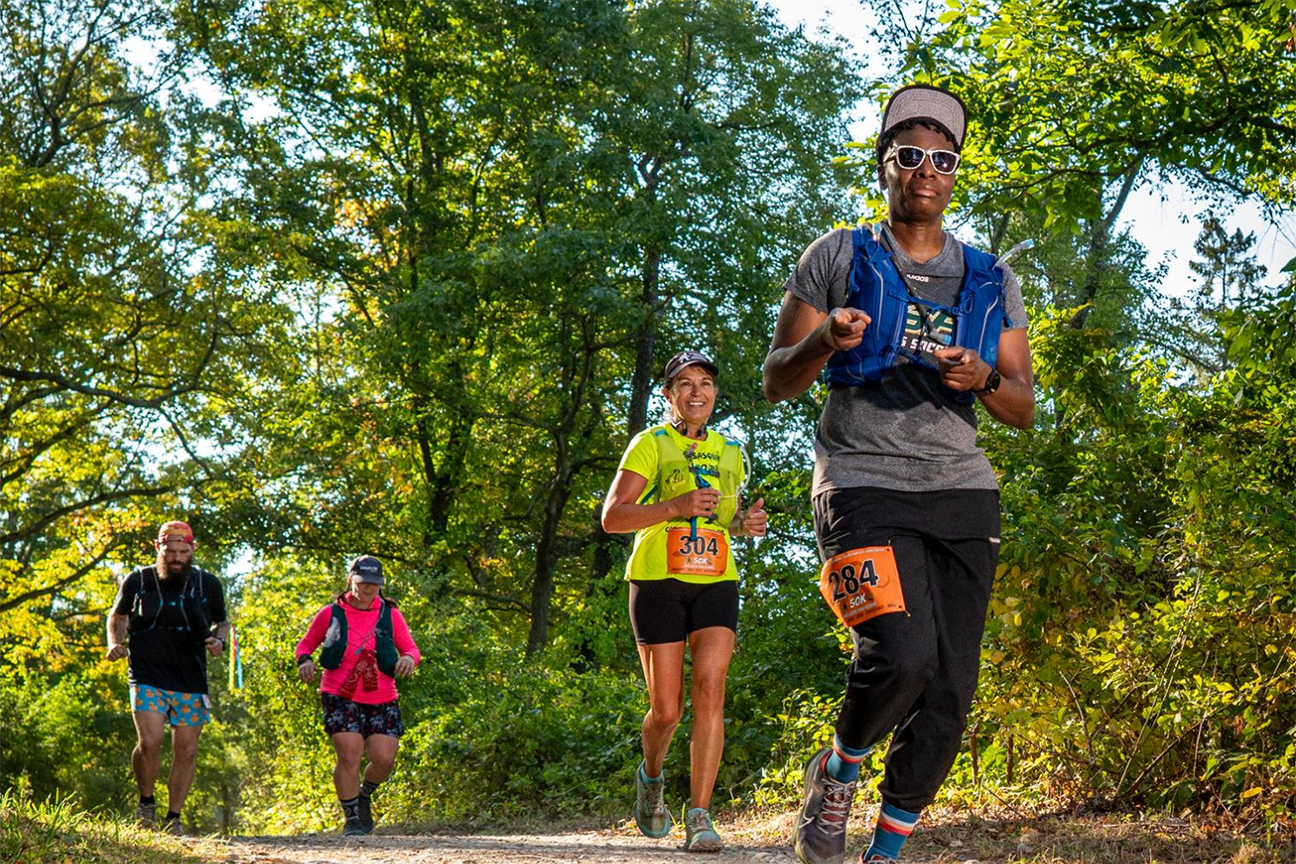
Why Try Your First 50K?
Ultrarunning gives your friends and family members who are not runners many things to worry and talk about behind your back, while actually envying the amount of pie you can eat over the holidays and still stay fit.
In case of an emergency, you can run for help. Really far!
And finally, for me, I love ultrarunning, and that is reason enough.
If you’re still with me and think the “whys” are intriguing, let’s dive into the “how-tos” and get you going.
Typically, although with variability, ultramarathon distances are 50K, 50 miles, 100K and 100 miles. In the past decade there has been a surge of 200-plus mile events, but I don’t want to frighten you off completely at this point. A great jumping off point is the transition from marathon to 50K, which, on paper, is just a mere five-mile difference.
About those five miles … I also came into ultrarunning from marathoning. I love road marathons—the speed, the rhythm, the predictability. At the time, my thinking was, “How much harder can that extra five miles be?” I went directly into a 50K with that attitude, and I quickly found out.
The problem with that approach became apparent early on. I started at my flat road marathon effort in a race with over 6,000 feet of vertical gain of trails and gravel road. I had NEVER walked in a race, and as a point of pride, I wasn’t about to.
By halfway through I was feeling pretty worked. I had a change of shoes waiting at my drop bag at one of the aid stations, which I proceeded with even though my feet were fine. The shoes I put on had shrunk (from getting wet and drying in the sun) and even with the apparent tightness, I didn’t turn around and change them back. I continued “running” every step, even on silly steep banks and long grinding climbs, and not having any fun.
When I finally crossed the finish line, the race director and friend of mine, smiled at me saying “You did it!” and I immediately and in very poor form yelled at him “That was awful!” I didn’t run another ultramarathon for six years.
So, my friends, I am here to help you avoid that very experience. Because when I did come back to the sport, with more information and experience in trail running, I was ready, and I loved every minute of it.
An Intro to Ultras
It is probably obvious to you by now, that those five miles do make a difference, and the further the type of course is from a typical road marathon, the bigger that difference is. There are flat 50K ultras, both road and trail, but by and large most ultramarathons are run on trails. Regardless, there are some basic differences to be aware of.
Aid stations
They are few and far between when compared to a typical road marathon. This means you need to carry nutrition and hydration with you at all times. No running through aid stations grabbing small cups of fluids to splash on your face, clothes, choke on and absorb little. Nope. These are casual in comparison. Stop, fill your flasks or bladders, chat with other runners, put your trash in a bin, thank the volunteers, and be on your way.
Fewer participants and spectators
This is especially true in trail races – and you may end up running by yourself for miles. It is also easier to make new friends when you share miles with another person since it might feel awkward if you never even introduce yourself. It also means you must be acutely aware of course markings since if you do miss a turn it may not be obvious for quite some time.
Most (but not all) races are on Saturdays
Ultras are usually held on Saturdays, while most road marathons are on Sundays. I’m not sure entirely how that started but for the longer ultras that involve overnight racing it makes perfect sense. Some ultras even start on Fridays. But for a 50k that’s nice because you have a full day to recover before hobbling to work on Monday.
The finish line atmosphere is festive
These are inviting spaces, generally with good homemade foods such as soups, burritos, pizza, cold beverages, to encourage runners to hang around and cheer the other runners in, sit and share stories about “this climb” and “that descent” and “what about that creek crossing” and “I ate shit three times, how about you?” and “I was fine until my stomach went south”. Friendships are forged here.
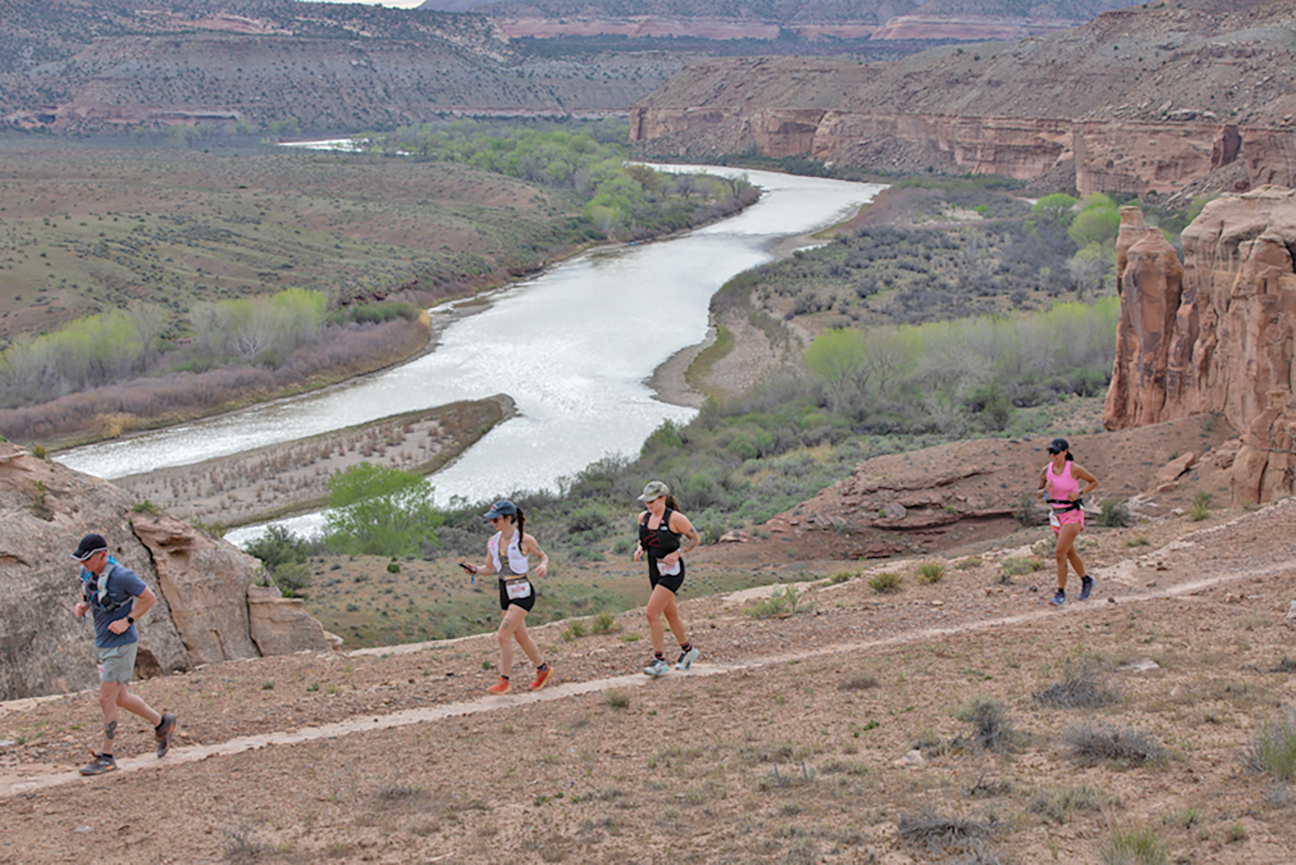
Beyond these differences, are those encountered when the ultra is on trail. Flat trails are going to be slower than road due to the softer surfaces, narrow trails that can become bottle necked, and the twisting and turning that most trails have. Realistically, most trails involve some degree of climbing and descending and must be accounted for in your predictions or time goals. It is important to know the amount of vertical gain you will encounter so you can train for it specifically.
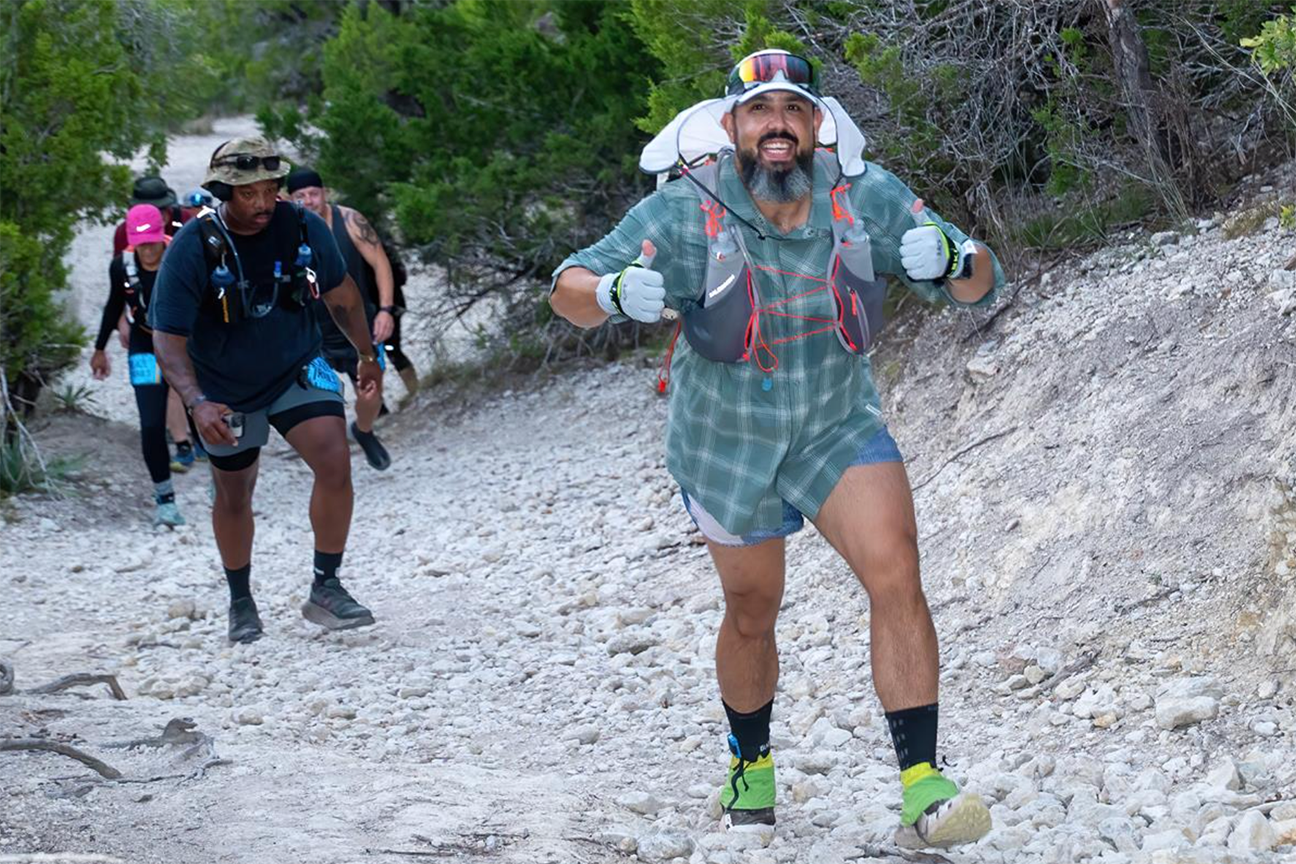
Choose Your First 50K
Selecting your first 50K is perhaps more complicated than 20 years ago, with the growth of the sport, and it is one of the most important parts. Having more choices can help you pick something suited to your strengths, and in an appropriate time frame and distance from your home. Find a race that has a good reputation for taking care of the runners, good course markings, well stocked aid stations, and something whose terrain mimics what you can train on where you live.
Most of all, pick a race whose description sounds like something you would really enjoy. Personally I love a course with trees, occasional good views, smooth singletrack, and moderate to warm temperatures. I do NOT like sand or treeless desserts, so I avoid those races.
RELATED: You Might Be Running Your Easy Miles Too Fast
Prepare for Your First 50K
So how does one prepare for their first 50K? The training part isn’t that different from that of a road marathon in terms of volume and intensity. If the terrain is road, then it’s more a matter of slowing your race pace down. Interestingly, there are multiple pieces of advice around how much slower, with no clear scientific answer. One place to start is 20 seconds per mile slower, commit to it, train it, and see how it works on race day. The more personal data you collect the more realistic you will get at setting your time goals.
The key to ramping up your training from what you did while preparing for a marathon is to make incremental increases in weekly mileage and your weekend long runs while also focusing a daily recovery, nutrition and hydration. Without rushing the process, the gradual increase in time spent training won’t be a shock to the system—not to your body, but it might be to all the other pieces of your life, such as family and work life.
Logically, each increased distance takes more time in training, which largely can be accomplished in the long runs—often done on back-to-back days over the weekends. Interval training is still an important piece of the puzzle, and recovery remains as important as training.
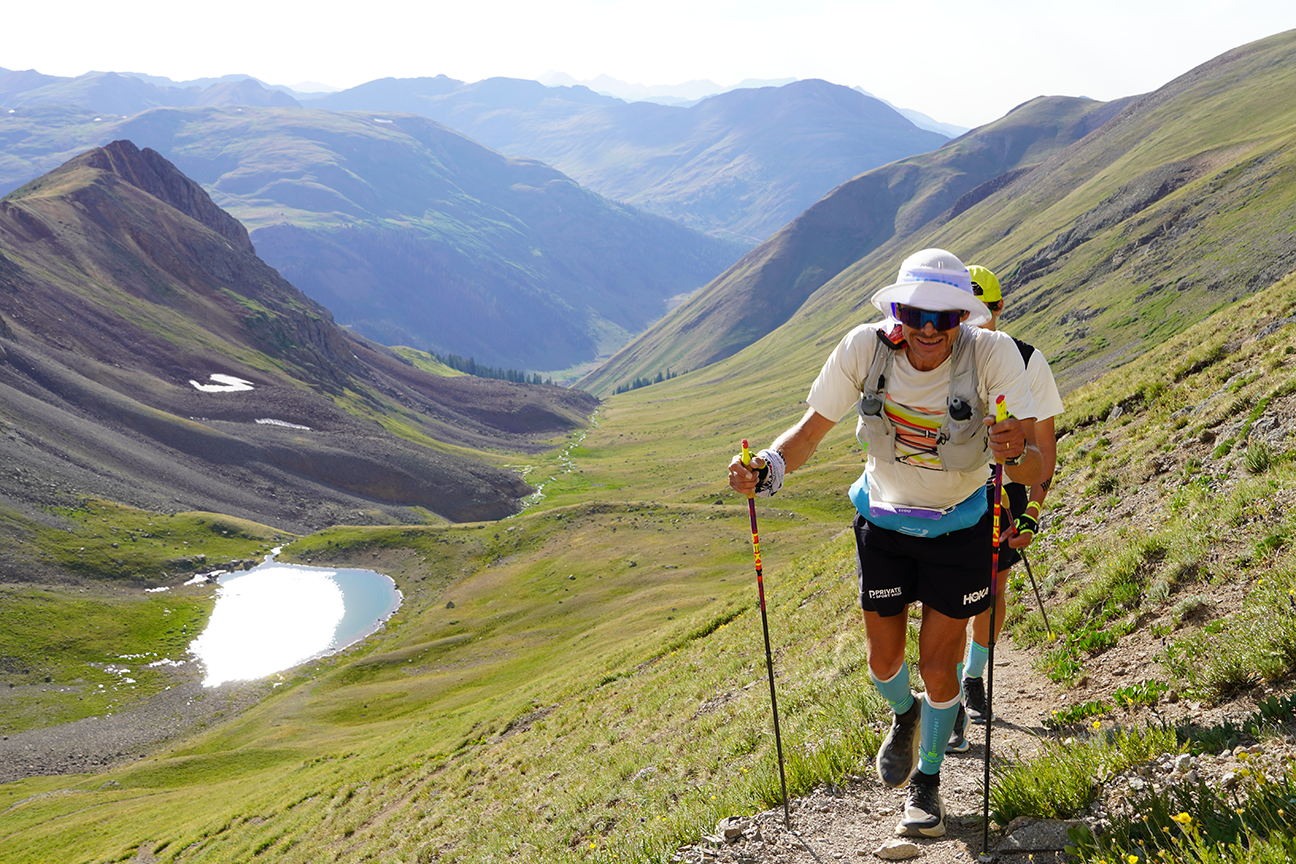
Since most 50Ks are on trails, it’s of course prudent to get most of your training on trails if possible, especially your long runs. While not absolutely necessary, trail shoes are highly recommended, especially for rocky and/or muddy conditions. You probably already have a hydration pack for your long runs, but if not, definitely invest in one, since you’ll want one for the race with the aid stations being much further apart.
Otherwise, your road running equipment will suffice. Your runs are going to take longer than a road run, so keep that in mind in your plans. Many runners switch to running for time rather than distance—that typical 20 mile run you did on the roads can take substantially longer—leaving family members at home wondering where the heck you are—depending on the terrain and the amount of vertical gain and loss.
RELATED: Strength Training For Trail Running Durability
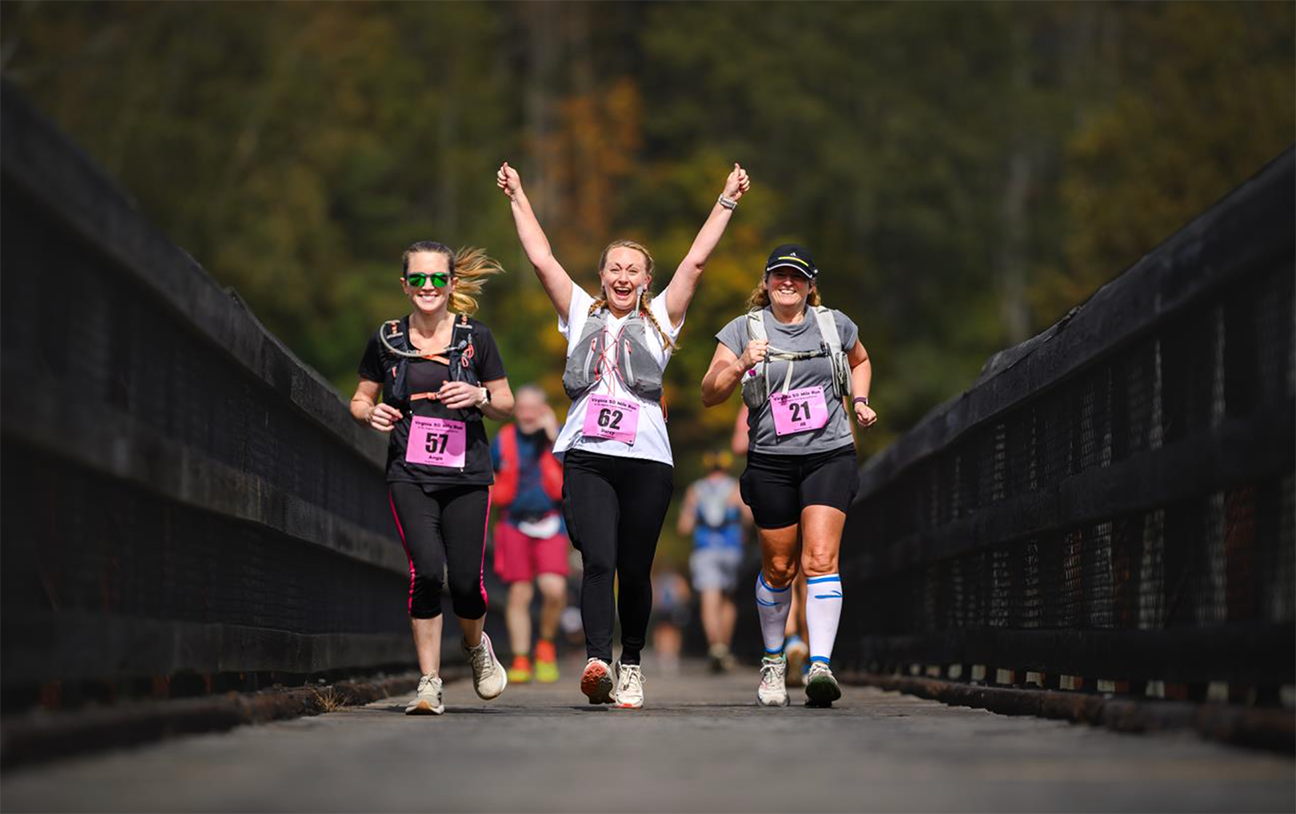
Immerse in the Community
In the weeks leading up to your 50K, familiarize yourself with the community.
- Consider signing up to volunteer at a race. Aid stations are welcoming places for that.
- See if there are any group trail runs you can join. Sometimes races have training runs on their course to help runners mentally prepare as well as physically.
- Sign up for trail work! These trails don’t just magically get groomed into shape, and typically they are built and maintained by trail loving volunteers.
- Crew and/or pace someone at a race. Watch veteran runners get into problems and how they go about solving them.
Build Fueling and Hydration Strategies
As the race approaches, make a plan for your hydration and nutrition needs. Just like in road marathons, your long runs are testing grounds for nutrition and hydration needs. Now with few aid stations, you’ll need to be diligent in what you carry between aid stations that can be more than an hour apart.
Know in advance what brand of sports nutrition they will offer and practice with it. If it doesn’t work for you, carry what you need to get to a drop bag that you can replenish from mid race. If the race provided nutrition does work for you, carry only a little more than you think you’ll need, but do not weigh yourself down unnecessarily. The aid stations will be able to resupply you.
RELATED: A Practical Guide to Hydration for Trail Runners
RELATED: Avoid These 5 Common Fueling and Hydration Mistakes
50K Race-Day Magic
When race day arrives—and it will no matter how much training you have managed to do—be ready for your foray into this crazy sport.
If your confidence is waning, look around you: there are runners of all ages, shapes, and sizes. As I often tell my athletes when they question their ability, I tell them “You’re not that special.” What I mean is that you’re not so special that you can’t do this thing that all these folks around you are doing today. Yes, you can do it!
Run your own race, go at your own place, enjoy the moments when you feel good and lean into the challenges and prepare to solve problems. And remember, the community spirt of other runners going through the same experiences is there to lift you up when you need support.
Entering into the ultrarunning world with a 50K is a great steppingstone into longer adventures ahead. No matter the distance—50 miles, 100K, 100 miles, 200 miles—they are all more of the same. I advise a gradual approach by going up in distance once per year. It took me four years to go from a 50K to 100 miles, giving each distance a specific focus and goal. Each long race is another step up, and you may find you have a sweet spot/distance that really suits you. I prefer 100k and 100 miles, and after 20+ years of ultrarunning, I have no interest in running further.
OK, that’s about all you need to know to get started. Ultrarunning is a fun sport that centers on community, personal achievement and the collective effort of your support team. Once you dip your toe in, there’s a good chance you’ll catch the bug, too.
Well, what are you waiting for? Sign up for a 50K, start training and get involved in an exciting and adventurous way to approach running!
12 Great Races for Your First 50K
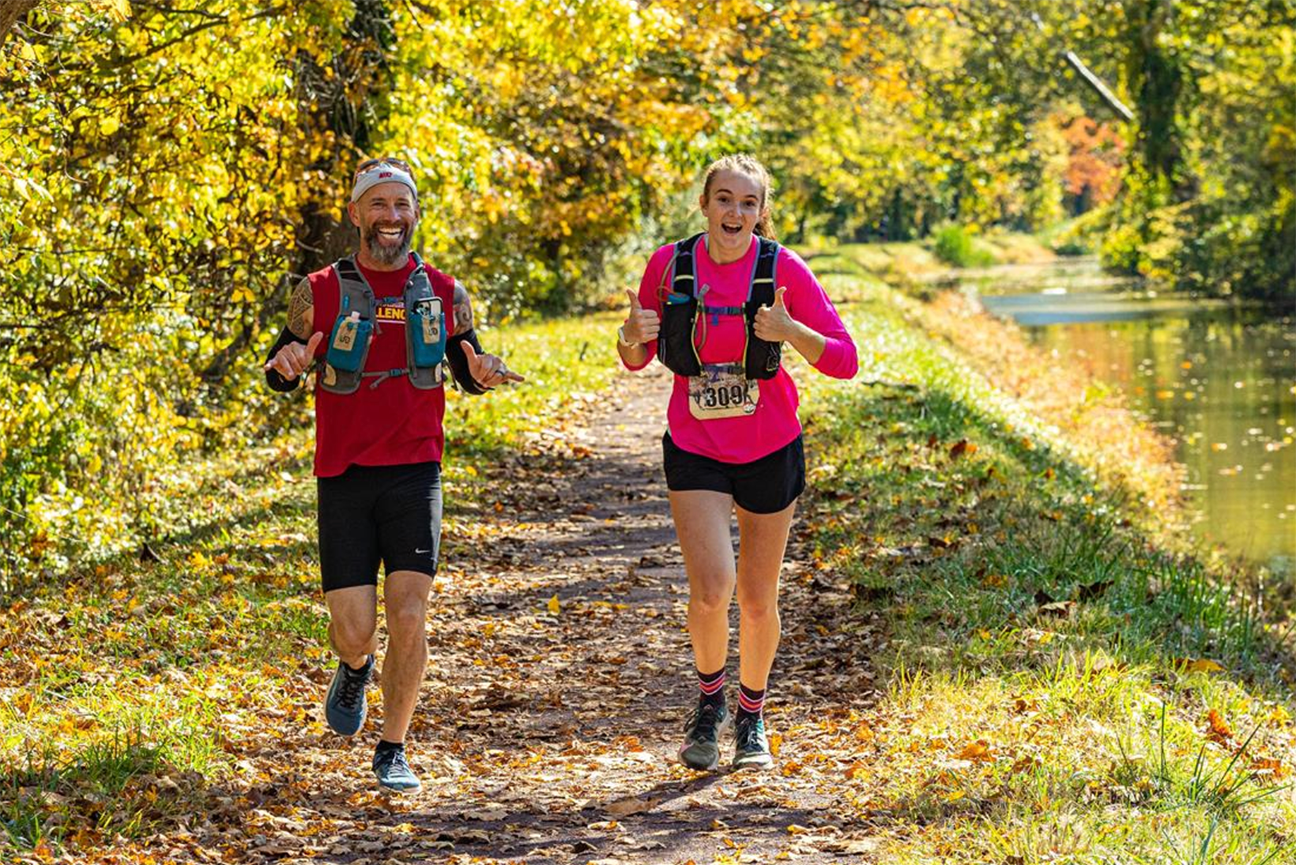
Westminster Trail Races, Aug. 15, Westminster, CO
Southern Fried 50/50, Aug. 15, Columbus, GA
Wild Goose Trail Festival, Sept. 19-20, Ringwood, NJ
O’Brien Trail Races, Sept. 26, St. Croix, MN
Bandit Ultra Trail, Sept. 26, Simi Valley, CA
Dana Peak Trail Run, Oct. 3, Harker Heights, TX
Yankee Springs Fall Festival, Oct. 3, Middleville, MI
DesPlaines River Trail Races, Oct. 10, Lake County, IL
Cave Creek Thriller, Oct. 17, Cave Creek, AZ
Mule Skinner Endurance Races, Oct. 10, Upper Black Eddy, PA
NYC Trail Mix, Nov. 14, Staten Island, NY
RELATED: Find Your Next Race with UltraSignup’s New Event Finder
RELATED: 28 Great Trail Running Races Close to New York City
- Anatomy of an FKT: How Jane Maus Lowered the Women’s Fastest Known Time on Colorado’s Longs Peak
- 20 Great Fall Trail Running Races You Will Love

- Trail Tested: Teva TrailPeak
- How to Keep Running Ultras as You Age
- Sonoma Fall Classic: The Ultimate Trail Festival

- Behind the Bib: Leavenworth Trail Fest