Here’s how you can train to get through a challenging trail running race, even when the terrain you’ll be racing on doesn’t exist where you live.
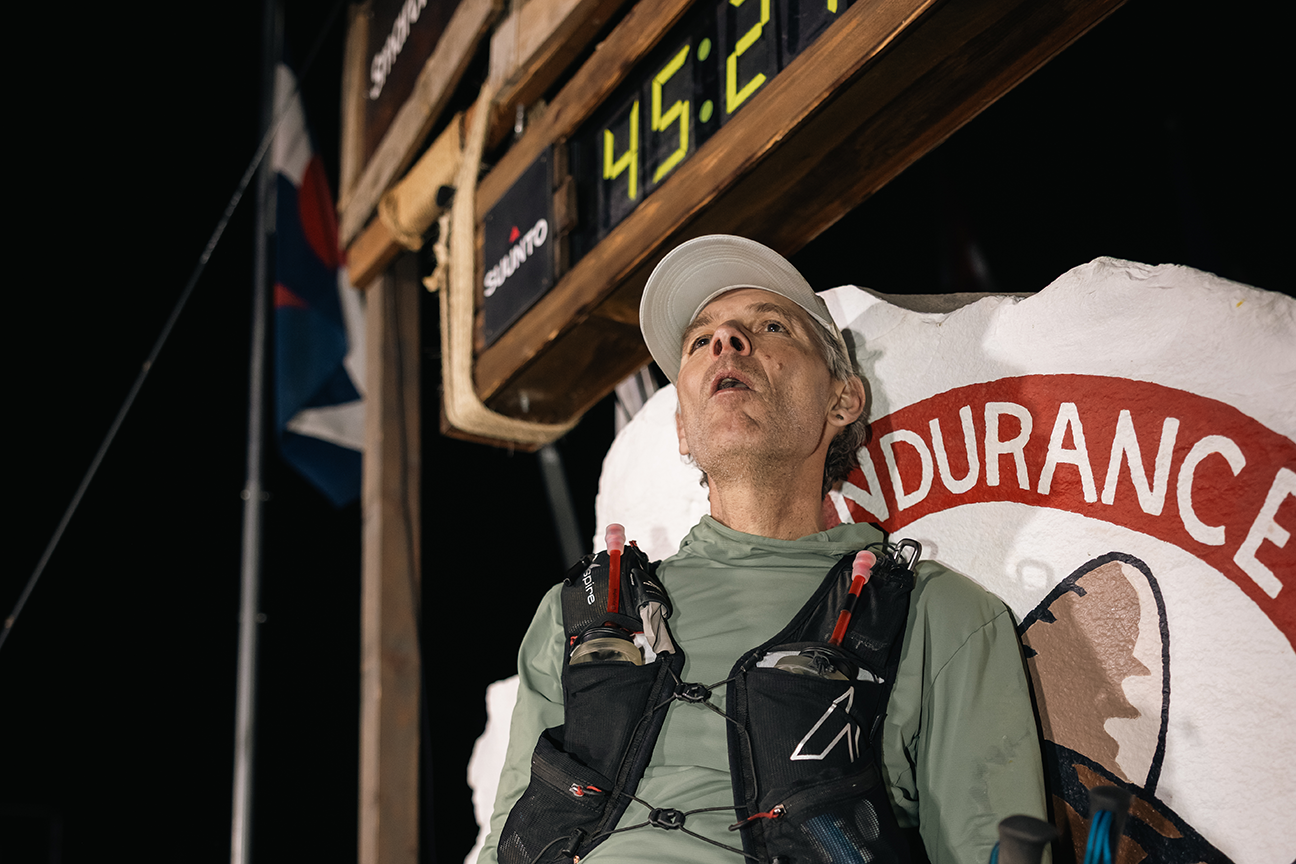
Chris Twiggs talks about the terrain of the Hardrock 100 with the familiarity of a child describing his own sandbox.
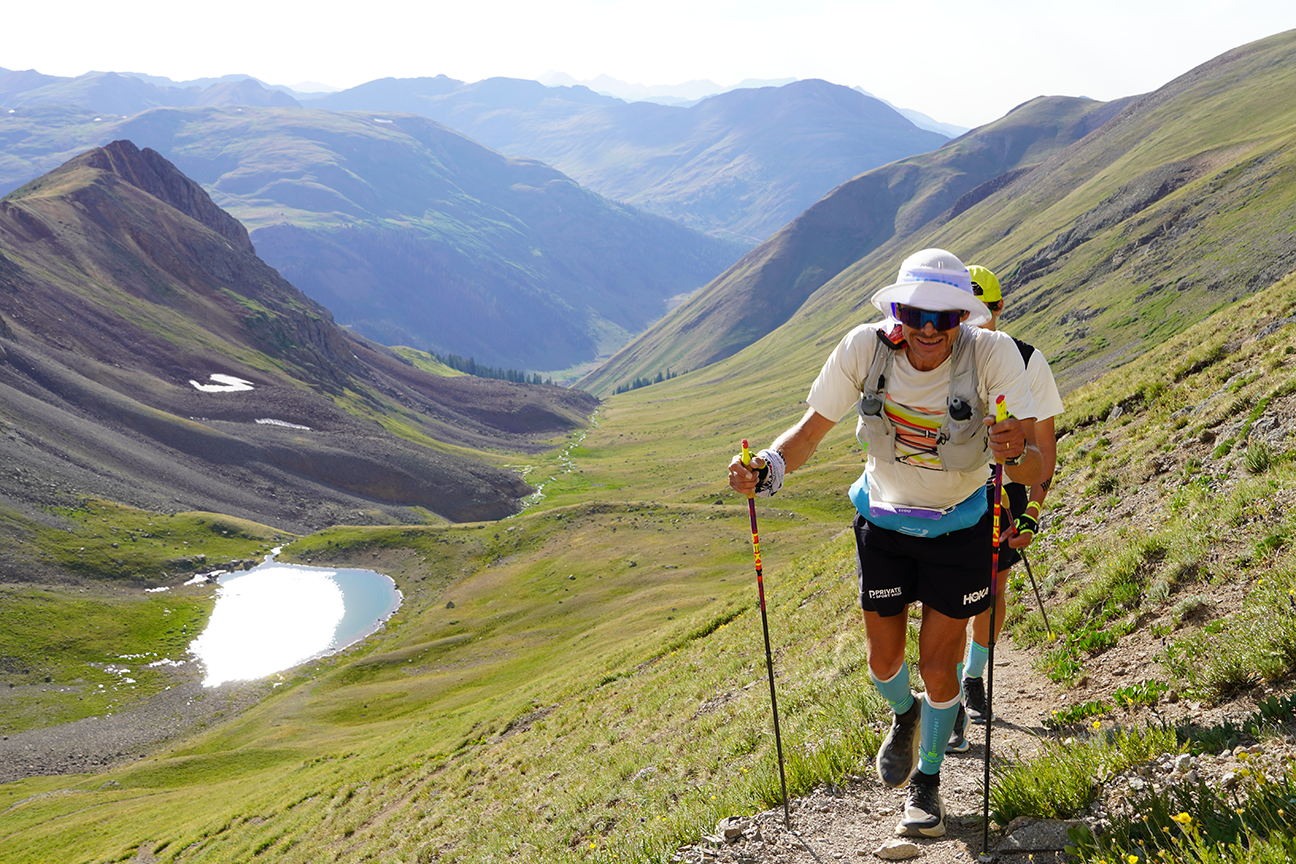
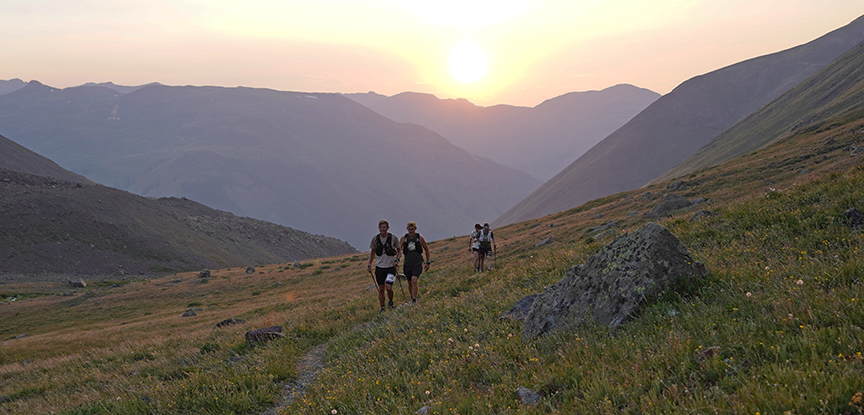
You’ve got steep climbs and even steeper descents, sometimes slathered in scree, he said, that makes the downs feel like a drop on an amusement park’s featured rollercoaster. There are also patches of snow to traverse, the debilitating effects of high altitude and thunderstorms on mountain passes with no place to hide.
“That’s the great thing about Hardrock,” Twiggs said. “You get a whole bunch of stuff thrown at you, and it goes on for 100 miles.”
Hardrock is, in fact, considered one of the toughest trail running races in the world, with more than 33,000 feet of elevation gain over 101.8 miles, a high point of 14,048 feet above sea level, and an average elevation of about 11,000 feet.
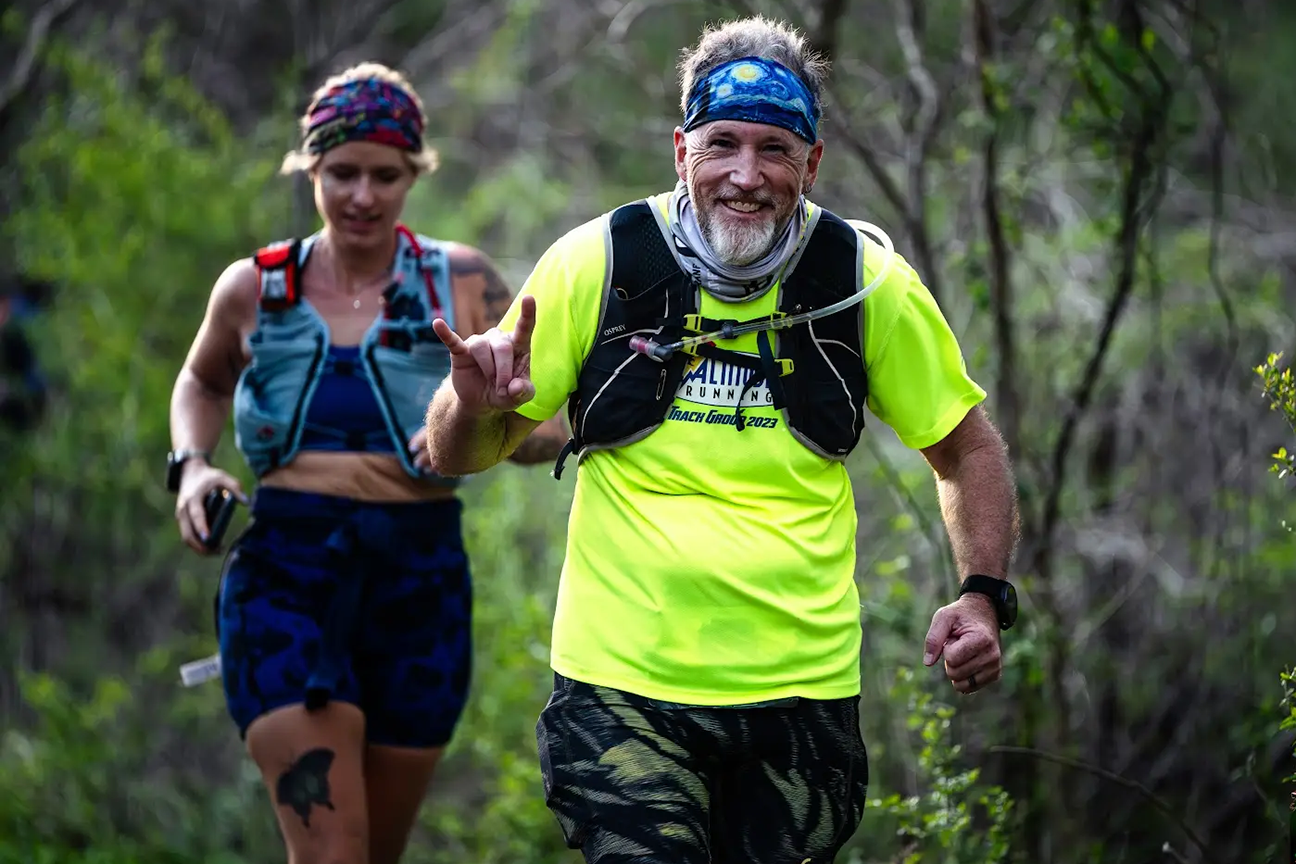
And the most incredible thing isn’t that Twiggs just finished it for the 18th time this year. It’s that he spends the rest of his time at his home in Florida.
Yes, Florida. If you had to pick a state with conditions that are the opposite of the San Juan mountains where Hardrock takes place, Florida would be a pretty good choice. Florida is flat, hot, humid, covered in sand and sidewalks, and there are alligators, which would probably only survive five minutes in the San Juans. Oh, and Florida does not have snow.
“I can’t tell you I’m the best when it comes to snow,” said Twiggs, who lives in Fernandina Beach, Florida, a small city located on Amelia Island, which has an elevation of about 25 feet above sea level.
However, Twiggs, 55, is good at training for the San Juans even though he lives in a state where the highest point is a mere 345 feet above sea level. As the National Program Director for Galloway Training, he knows a thing or two about training, and he’s learned plenty from his Hardrock experiences dating back to his first one in 2005.
“Speed has never been my forte at this distance, but Wild and Tough are in my wheelhouse,” Twiggs said.
Find Your Next Race: UltraSignup’s New Event Finder
But training remotely like Twiggs does is a big challenge that thousands of trail runners face every year as the enter races with unfamiliar circumstances compared to where they live. So how do you train for a race that essentially has the opposite terrain, climate, and elevation of the place you call home?
You can, of course, find a trail race similar to where you live. Ultramarathons offer far more variety in their courses than marathons. Hardrock’s elevation change is 66,000 feet. The Tunnel Hill 100 in central Illinois has less than 1,500.
Some of Hardrock’s technical trails are only technically considered trails, and are more roughshod sections of boulders and scree that cover the steep slope of a mountain pass. In contrast, Tunnel Hill’s course takes place on a smooth, gently rising and descending converted rail bed.
Florida has plenty of ultra-distance races, nearly 200 in fact, and some, like the Tampa Bay 100, are on pavement and concrete through the city and almost entirely flat.
But many want to tackle a celebrated race like Western States, which has 18,000 feet of elevation gain and 23,000 feet of descent. Iconic races have iconic terrain. It’s what makes them special.
So don’t let the terrain limit you. Train for it so you can get through the course proficiently. Here’s how…
Identify Your weaknesses
Coach Ben Dicke asks his clients about where they’ve lived when he’s putting together a plan for their ultras.
“Where you grew up and where you live now will determine potential limiters to performance,” said Dicke, who coaches with Boundless. “If they grew up in Aspen but now live in Chicago, that’s at least a different starting point than living in Chicago your whole life.”
This doesn’t mean city dwellers can’t run ultras. Twiggs is just one example. Dicke lives in Chicago (elevation 600 feet above sea level) and has trained for and finished some of the most challenging mountainous 100-mile ultras in the U.S., including Wasatch, Leadville, Old Dominion, Vermont, Bighorn, and Western States.
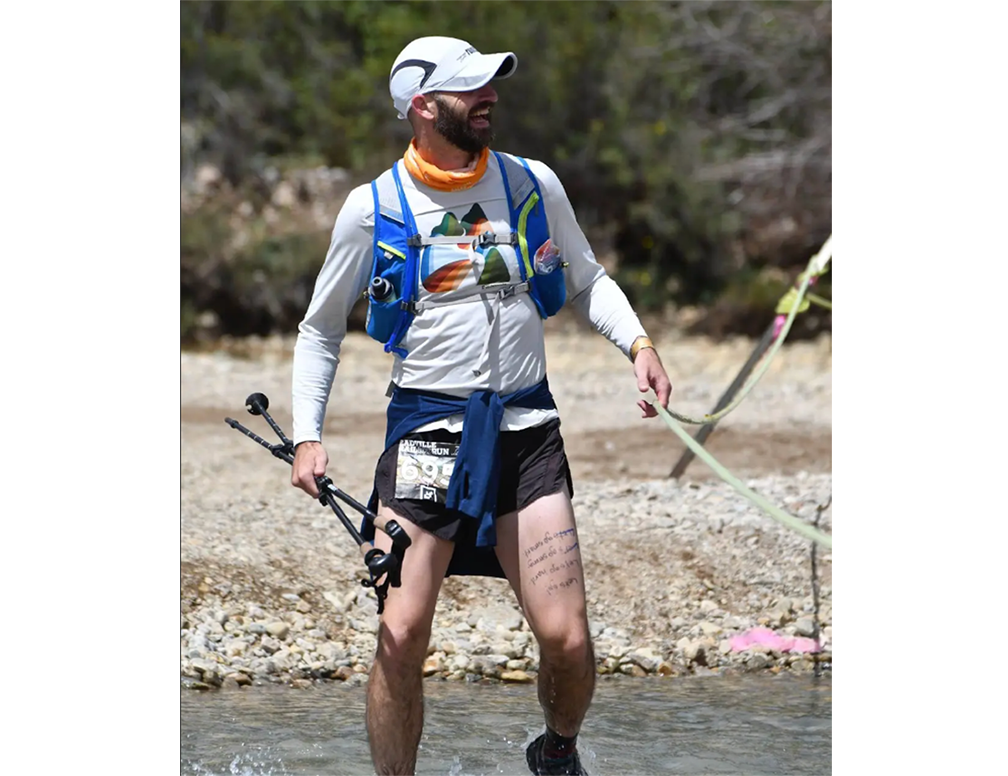
But he was honest about what he had and hadn’t faced in his life. Dicke also looks at the positives of a place as well as its limitations.
“Where you live offers opportunities,” Dicke said. “Chicago has high humidity, which provides positive adaptations in the body. The idea is to leverage the factors available to you.”
RELATED: Strength Training For Trail Running Durability
Research the Course Terrain
There’s enough information on the Internet to give you a good idea as to what you’ll be facing. Facebook usually has groups for races as well, where you can ask past participants about the terrain and how they trained for it. Race directors also have guides to the races and are there to answer questions about how to train.
There’s too much out there to be surprised when you actually get to the course. Western States’ finisher rate this year, for instance, was a record 87 percent, which is unheard of for such a difficult race. Although temperatures were considerably lower this year, which had to have helped the runners, race director Craig Thornley also believes his runners came prepared.
“I think ten years ago it was easy to point to mistakes,” Thornley said. “But now there’s just so much information out there. You don’t see people surprised by anything.”
Get as Fit as You Can
Dicke calls fitness “the beginning, middle, and end.”
“The fitter you are, the better chance you have in any race,” Dicke said. “That seems obvious to say, but I think people get hung up on things that are out of their control. You can always control your fitness.”
Climb with Consistency
Even flat areas usually have a hill or two you can run. Twiggs has a client in Orlando who takes the stairs whenever he can. When nothing else seems available, modern-day equipment gives you no excuse. Twiggs owns a VersaClimber, for instance. Some runners go to the gym and do StairMaster workouts, while others do endless amounts of stadium steps.
“If you can get to some place where you can do it on actual terrain, that’s fantastic, but there are always ways to do it,” Twiggs said.
Treadmill technology is so advanced, in fact, that some offer training for running downhill. Dicke has a client who has a treadmill that can simulate sections of the Leadville 100 course.
Dicke’s treadmill, alas, is eight years old, so it has none of these features. New treadmills can cost thousands of dollars. But many gyms do have fancier models.
Utilize Local Trails
Check out places close to where you live that have a trail network—generally called natural areas, open space, or forest preserves. State and city parks may also be good places to run. You may be pleasantly surprised at what your region has to offer. We’d be willing to bet that there are fun and challenging places located at most an hour from where you live. Doing a long runs on these trails every other week or finding one relatively steep climb where you can occasionally do power-hiking reps will pay huge dividends on race day.
“There are trails all around where the footing isn’t that secure,” Twiggs said, “and the more varied terrain you can get on, the better.”
RELATED: How to Train for Trail Races Without Access to Trails
Train for the Heat
Unless you’re planning to do a winter ultramarathon, which are rare, you should be prepared for a warm day. Hot temperatures are fairly universal across the U.S. from spring to late fall, when most ultramarathons occur. There are many benefits to heat training, including a better sweat rate to keep you cooler, increased blood plasma volume, and more mental toughness, said Lindsey Hunt, a senior sports scientist for Precision Fuel and Hydration. If it turns out that it’s cool, like the conditions at Western States, you’ll still reap the benefits and think 70 degrees feels like Alaska.
“In the heat, our body temperature and skin temperature rise dramatically, leading to competing demands of blood flow from the working muscles, heart, lungs, and skin,” Hunt said. “In the cold, the skin requires orders of magnitude less blood flow. With heat prep and training, we can increase blood volume and help offset this demand from the skin to maintain health and performance in the heat.”
You can also do a short, intense heat-training block just a few weeks before your event. That might include running on a treadmill wearing tights and a sweatshirt, hiking steep trails in warm to hot conditions, doing a mini training camp weekend in a warmer locale, or even training in a sauna.
Train on Hills for Flat Races
Charlie Lawrence set the world record for a 50-miler at Tunnel Hill in 2023, running it in 4:48. He also lives in Boulder, Colorado (elevation 5,430 feet), and runs 10,000 vertical feet a week. Running hills makes you stronger and “adds some punch” to his running, Lawrence said.
“I don’t do that much elevation,” he said. “But it’s a good idea to mix it up.”
Lawrence doesn’t worry too much about specifically training for a flat race, but he also spends a lot of time on a track. Fortunately there aren’t too many pancake-flat ultras, so you won’t find many courses like the Chicago Marathon. Many in this story believe it’s much more important to prepare your legs for a hilly mountain race than a flat race, but they also agreed that it’s a good idea to do a few long runs on a flat course. That can mean a track, repeating a stretch of flat terrain where you live, or—sigh!—hitting the treadmill again.
RELATED: You Might Be Running Your Easy Miles Too Fast
Adjust to the Altitude
Twiggs has had a lot of success training for Hardrock in Florida, but there’s one key component to that: He spends three weeks in the San Juan Mountains before the race. He learned the hard way years ago that he had to adjust to the altitude when he ran the Leadville 100 in Colorado, his first mountain race, to qualify for Hardrock. Leadville is situated at 10,200 feet above sea level and send runners up and over 12,600-foot Hope Pass at the 45- and 55-mile marks.
“I was not ready for the altitude,” Twiggs said. “It really slowed me down. I was lucky to finish.”
You may not be able to spend three weeks in a location, but a week could do you wonders. Turn the race into a family vacation or a trip with your buddies: It turns out many people enjoy the mountains even if they don’t run 100 miles in them. Take small hikes and enjoy the area. Just sleeping and mild exercise at high altitude will help out acclimate.
There are other ways to help you acclimatize ahead of time. Heat training has some benefits. There are tents you can buy to simulate high altitude in your own bedroom. You can also buy a mask. But nothing beats experiencing the thin air for yourself.
“It’s a mental recalibration, really,” Dicke said. “You have to realize that you can perform at altitude, but you can’t perform at the level you’re used to. You have to slow down. I call it practicing acceptance.”
When you are getting high, it’s important to hydrate a lot more, even if you’re just sitting around. When you’re running, ignore your watch and go by feel, not pace. You will run slower, and when you do, it will feel harder. Practice that acceptance, as Dicke said, and remember one thing: The altitude is just like the weather, in that everyone has to deal with it.
RELATED: How to Prepare to Race at High Altitudes
Preview the Course
Twiggs has become such an expert in the rugged terrain of the Hardrock course that he leads orientation hikes for those running Hardrock a week or two before the race. This helps those unfamiliar with Hardrock’s notoriously difficult mountain terrain take a crash course in, well, not crashing.
“It’s just about learning some of the technique, so you aren’t faced with it for the first time when you’re tired,” he said.
Twiggs had to help a woman navigate a steep downhill portion of the course during one of his orientation hikes this year. Taking smaller steps and using poles can help, he said, but familiarity is really important.
The bottom line is that he highly recommends previewing the course of any trail running race you plan to do, whether it’s a year in advance on a scouting vacation or days or weeks before your actual event.
“She’s even done Hardrock before,” Twiggs said. “It’s more about confidence than anything.”
This is why many runners, including most elites, do a few laps on the course before race day. At Hardrock, it’s known as doing “Softrock” sections or laps. Not all races allow this, but most not only allow you to preview a course but even host their own runs on it.
The Western States 100 and Leadville 100 both host training camps a few weeks before its races. If you can’t make it out to the course, there’s usually plenty of information available to read ahead of time, either from past participants, in Facebook groups, or from the race directors in emails they will send you before the start. Race directors don’t want you to be surprised by anything on the course that could wreck your race, so pay attention to what they send you.
Prepare Your Mind
Review all that you’ve learned and prepare your brain for the tough race ahead.
“The mental aspect is crucial,” Dicke said. “Wrap your mind around what you’re about to do.”
You’ll need to focus when you face the difficult terrain ahead, so much so that your brain may get tired as well. When you’re out for your long runs, practice that focus and stretch the capacity of your brain as well as your body.
“I practice my own self-talk, even during easy runs,” Dicke said. “Self-belief is really important, and the best way to get that is with consistency.”
RELATED: When A Race Crumbles: What’s Solvable and What Isn’t?
- Anatomy of an FKT: How Jane Maus Lowered the Women’s Fastest Known Time on Colorado’s Longs Peak
- 20 Great Fall Trail Running Races You Will Love

- Trail Tested: Teva TrailPeak
- How to Keep Running Ultras as You Age
- Sonoma Fall Classic: The Ultimate Trail Festival

- Behind the Bib: Leavenworth Trail Fest