Less scrolling, more strolling. Here’s what I learned from quitting social media and, yes, touching some grass.
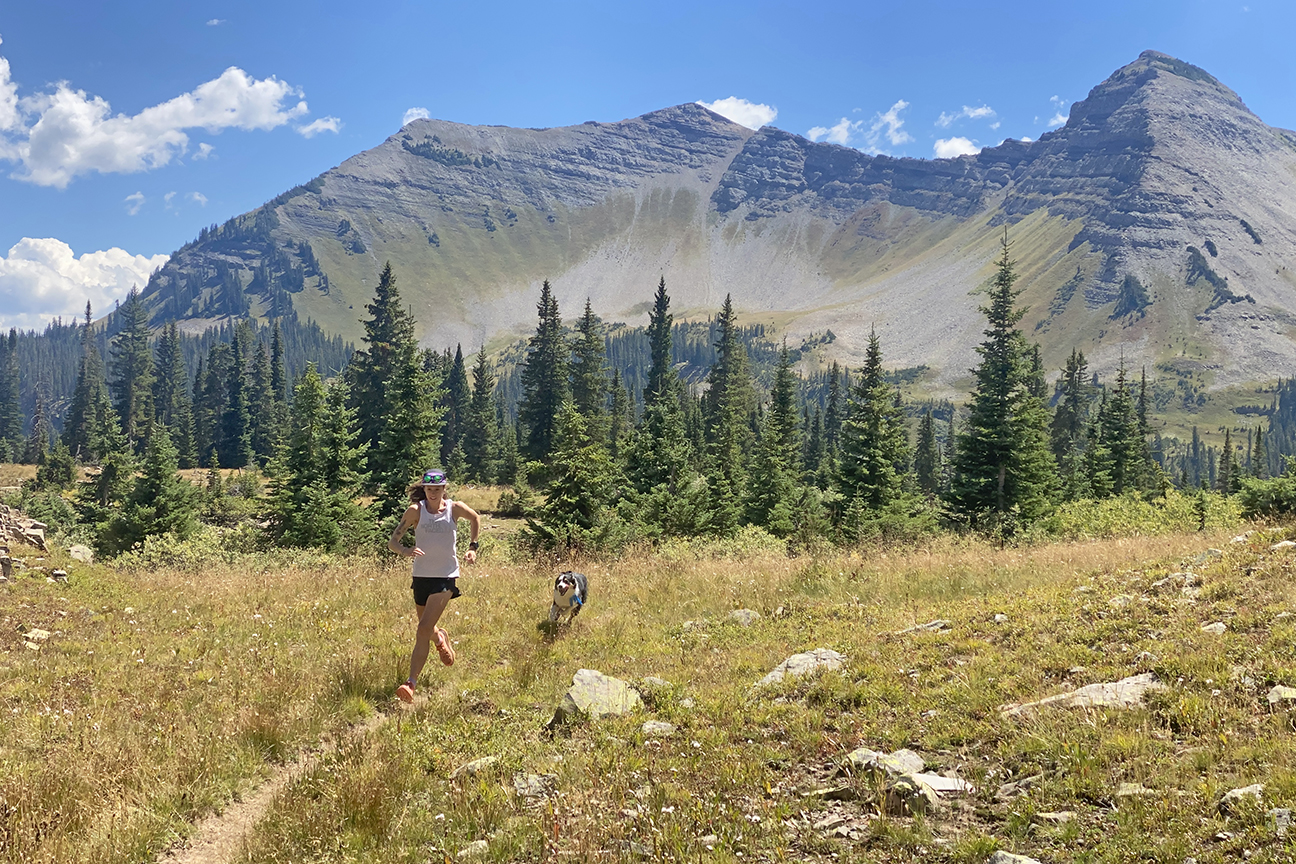
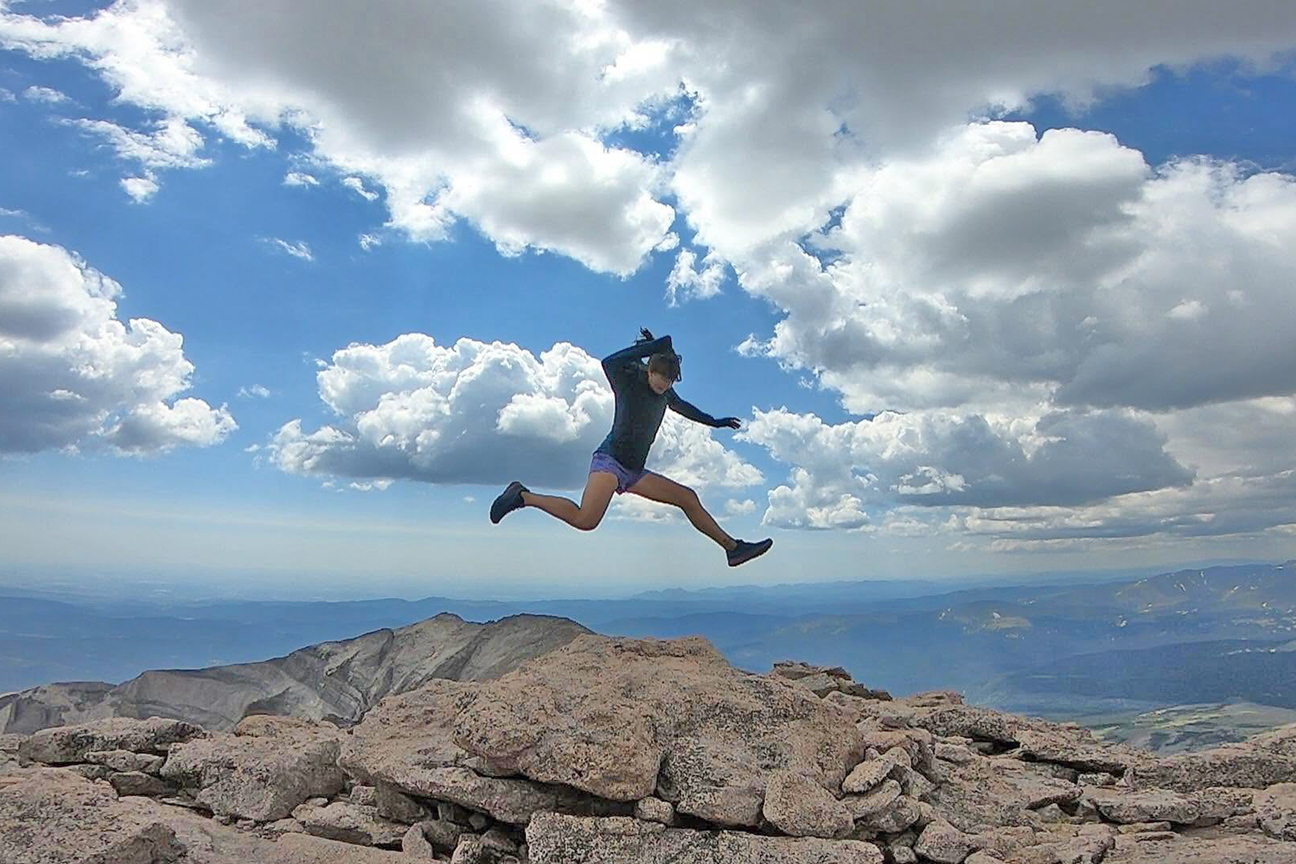
This weekend, somewhere above 12,000 feet in the Colorado Rockies, I turned a sharp corner in the trail, ascending the final switchback to gain the smooth saddle between two chossy peaks. Hands on my knees, I looked out over the not-so-gentle emerald slopes that gave way to the sharper, granite peaks of the West Elks. After pausing my watch (never too slow to be worried about stoppage!), I reached into the zippered pocket of my vest to grab my phone, pure reflex.
Then I stopped. Why? Why capture this instead of just being present in it? Why was I so quick to trade the moment for some idealized, indefinite future? Snatching the butterfly of the moment, mid-flap, to pin it to my virtual corkboard.
This spring, I committed the unforgivable millennial sin of deleting my social media.
If that doesn’t seem like a big deal to you, congratulations on your superior mental health, I guess. What was it like seeing the Beatles live?
Okay, “deleting” might be too strong a word. Deleting felt like the digital equivalent of 127 Hours-ing myself free of my Instagram account, so instead I just deactivated it, consigning my profile to the virtual bardo. Facebook I didn’t bother with, because going back there is about as tempting as reliving my teenage glory days loitering outside the Hot Topic at the mall. LinkedIn stayed too, because LinkedIn is social media the way mouthwash is alcohol.
And I kept Strava. Partly because I’m not ready to untether completely, and partly because I’ve told myself it doesn’t count: you do, presumably, have to actually do something before you can post there, even if that something has the try-hard veneer of a logged dog walk or the light blasphemy of tracked meditation.
I am what the stuffier corners of legacy media call a “digital native,” a term that makes it sound like I grew up in a pixelated island wilderness, foraging among the pop-up ads, attuned to the migratory ding of notifications. I joined Instagram days after graduating from high school, and a not-insignificant part of my adult life outdoors has been shaped by the tidy tyranny of The Grid.
Running Into the Void
Trail running and social media have always felt inextricably bound up in each other. As a fledgling ultrarunner, I turned to Instagram for advice (bad) and inspiration (good), then stayed to build a Personal Brand™: wordy nonchalance, scenic alpine adventures, and a steady drip of small girl, big mountain photos, a Potemkin village of meticulously curated casualness. I networked on the network. Which is how I ended up in the strangest possible relationship with the most embodied thing I do: I’d run for six hours through terrain that demanded every sense I had, then spend the evening deciding which nine square inches of it performed best for the algorithm.
There’s a growing pile of research on what social media does to athletic performance (never mind health, mental health, or trivial side quests like democracy). Leonardo Fortes, a Brazilian sports scientist after my own curmudgeonly heart, has spent years handing athletes phones before workouts and measuring the damage. The findings are unsubtle: 30 to 45 minutes of scrolling directly before training measurably worsens performance. Half an hour of Instagram left elite swimmers mentally fatigued and racing slower. And in a related study, lifters who scrolled before training moved less total weight than lifters who’d spent the same thirty minutes watching a documentary on the same phone. It’s not the screen. It’s the feed. Gym, Tan, Attenborough, anyone?
Go Touch Grass
There’s debate among online archaeologists about the true origins of the phrase “touch grass.” It surfaced sometime around 2015, part insult, part directive, something Twitter and Reddit users hurled at each other as a way of saying: log off. Get off your computer. Go outside. Touch some grass.
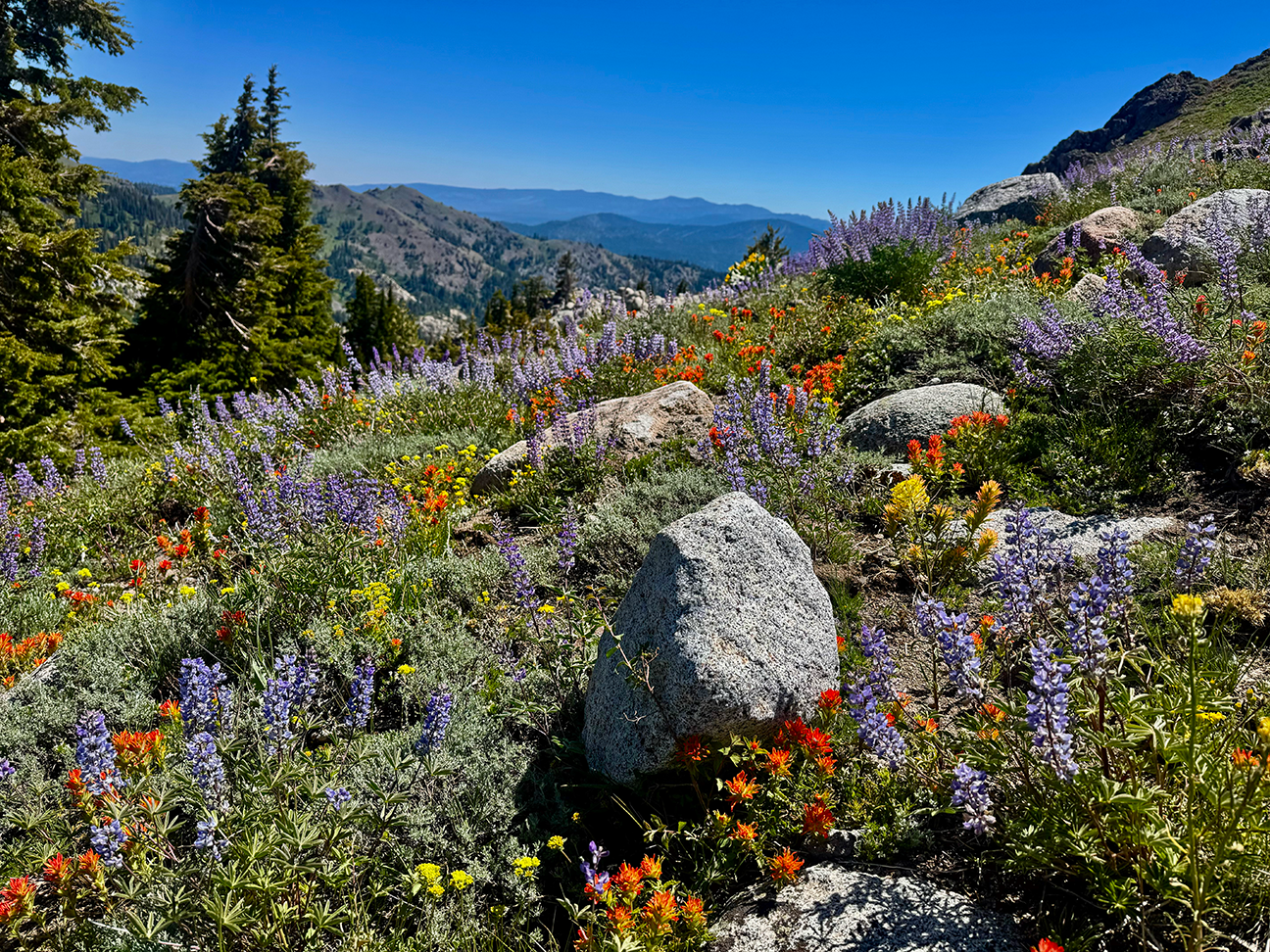
I’ve had what could euphemistically be called a rocky relationship with technology, in turns an unrequited love story with its creative potential and a hostage situation in the comments section. I’d spend too much time scrolling and spiraling, download an app to lock myself out, then find myself scrolling and spiraling again. Finally, I switched my phone to grayscale, which I’d read makes the screen less compelling for your brain to linger on.
What shocked me was what it did to everything that wasn’t the phone. Instagram started to look like the first 10 minutes of The Wizard of Oz, and the real world, by contrast, became Oz itself. When my brain inevitably lost interest in the sepia version, I deactivated the app entirely: the virtual equivalent of locking the door and throwing the key into the ocean. I couldn’t believe it. Offline, the world popped with an almost psychedelic vibrancy that I had been numb to before.
The scrolling had been sapping the world of its color, and logging off had restored it. Had I really been sacrificing the best parts of any trail run, like a tender olive of sagebrush leaves, veined with umber, against a powder-blue sky? The yin-and-yang flash of a magpie against the burgundy bark of a ponderosa, seared black at the edges like a well-finished steak? I forgot how lovely it is to run your fingers over a delicate blade of grass.
Had I given all that up to watch a 90-second video on Guy Fieri’s 10 tips for the perfect Groundhog Day brunch?
I know this sounds like the rambling of a modern Luddite fresh off an ayahuasca retreat, intent on evangelizing her newfound enlightenment. But I’m not here to tell you to delete anything. I’m here to report a trade I made, and what it turned out to be worth.
Trail running is just grass-touching, extended. A wholly embodied experience that (mostly) keeps my feet on the ground, and if not literally on grass, then on dust, scree, mud, whatever gritty surface coats the actual world. What I’ve found since logging off is simple physics: once the magnetic pull of the feed weakens, you can finally feel the gravitational pull of everything else.
I used to joke that I could have cured cancer or written the great American novel with all the hours I’d donated to the scroll. I’m disappointed to report there’s no miracle cure forthcoming, and I have not outlined my Infinite Jest. What I got back instead was smaller and better: more attention for reading, more heart and brain-space for writing, more time for running, and for the gloriously non-productive. Staring at a tree. Petting my dog. Knitting a sweater I will never wear.
Walt Whitman, poet laureate of grass-fondlers everywhere, ended “Song of Myself” with a forwarding address: “I bequeath myself to the dirt to grow from the grass I love, If you want me again look for me under your boot-soles.”
Under your boot-soles. The Patron Saint of embodiment left instructions, and they turn out to be trail directions. Everything the feed promised, the connection, presence, the whole world in your hand, was under my feet the whole time.
As for my accounts, still drifting in the virtual bardo: I don’t know if I’ll ever log back on. Waking up in Kansas is a hard sell, once you’ve lived in Oz.
- The Art of Taking Running Seriously, But Not Too Seriously

- 3 Things I Learned from Coming Back From Injury
- Closing the Gap Between Ability and Ambition

- What Causes a UTMB DNF? Here’s What The Data Says

- Nine Lives: My Life in 9 Transcendent Pairs of Shoes
- Race Through the Night: Stay Awake, Alert + Mostly Sane

9 comments
Robert J
Good message. Really heart-felt. Eloquently written…the Wizard of Oz metaphor is brilliant. I stated trail running & hiking in a digitally untethered state for 30+ years now. So perhaps it’s been easier for me because I never developed the habit. Glad you’ve cut the cord, Zoe. Hope you’ve inspired others to do the same. Now stay the course.
Mark
“I know this sounds like the rambling of a modern Luddite fresh off an ayahuasca retreat, intent on evangelizing her newfound enlightenment.”
This line made me laugh out loud! I’m really happy dropping social media helped you be able to reconnect with the physical world. This challenge seems to be universal in our world today. Thanks for the article!
Ralph Mason
I have been reading your stories for a while now. This was your best yet.
I have been a trail runner since 1975 and I’m 71 now with zero intention of ever stopping. I rarely mix technology with my running shoes. Rocks, ruts, roots, soft earth, fall leaves, or crunchy snow, I need to feel and hear the trail slide by under me. Nothing fills my lungs like thin mountain air, log off run though a mud puddle.
Chase Duarte
Great write-up! I too, over the last several years deleted my social media. I thought Instagram was for posting cool pics to followers with like interests, but turned into memes and videos. Strava is still my one and only social outlet although I consider it mainly a fitness journal. I will not tolerate political posts on Strava regardless of whether I support the sentiment or not. Thanks for your dedication to keeping the sport pure.
Katie
This is such a BEAUTIFUL article! I myself have (mostly) logged out of social and it’s a game-changer. I just wish the mountains were closer for more trails.
Laurel Kendall
It’s a very nice picture that you took with your phone while on the trail. Worth it.
pimaCanyon
Once again you have outdone yourself with this article. Keep doing what you’re doing! I will go outside and touch some grass, maybe roll in it like our cats do.
Alex
This is such a simple yet important insight. I made a rule to never bring my phone specifically so any time I ant to see those beautiful views, I have to earn it each time, no pics for the couch :). Thanks for this.
marybetsy
I’m not on Strava but I feel exactly the same way about Facebook and LinkedIn. I also deactivated Instagram about a month ago and I haven’t missed it at all. I’ve used my past scrolling time for running to and from work and reading longer form blogposts, including your past posts here!