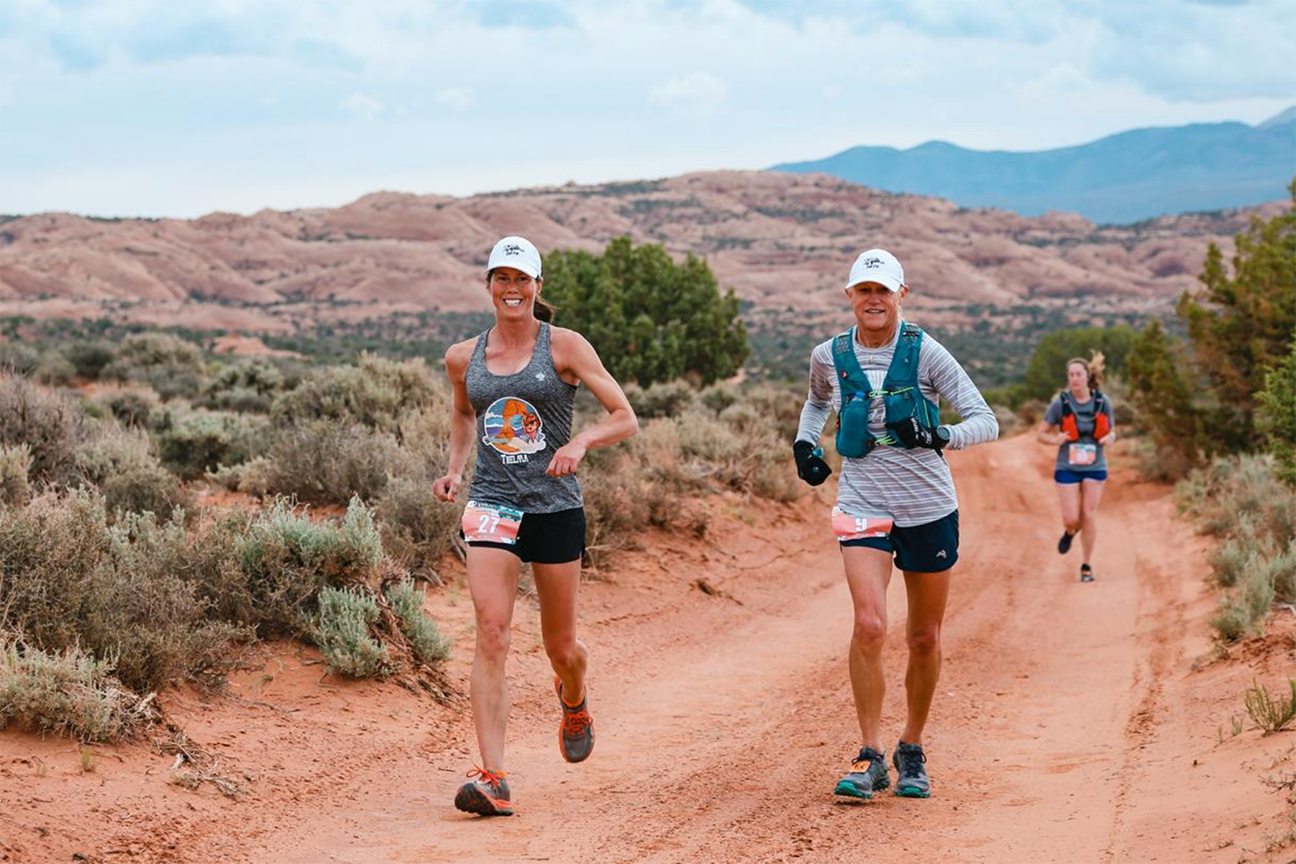
For years, the 100-mile distance reigned as trail ultrarunning’s defining test—the point where endurance, ambition, and identity converged at the sport’s outer edge. It was the standard that shaped legends and set the tone for what it meant to fully commit. But that long-standing benchmark is beginning to give way. Across the U.S., a growing number of runners are pushing beyond it, gravitating toward races of 200 miles or more that require not just a single day of effort, but sustained movement across multiple days and nights.
What once felt like a niche experiment has rapidly entered the mainstream. Over the past decade, 200-plus-mile races have multiplied, with new events emerging nationwide and participation steadily increasing. (The category grew 114 percent year-over-year in 2024-2025, according to the American Trail Running Association.) Early standouts like Tahoe 200 and Bigfoot 200 helped establish the format, while newer events such as Cocodona 250—and even longer 300-mile events like the Arizona Monster 300 and Viper 300—have accelerated its momentum.
Here’s a listing of 200-mile+ races in the U.S. in 2026-2027.
Pigtails Challenge
May 23-24, Renton, Washington
The Pigtails Challenge is a multi-distance ultrarunning event, offering races from 50K up to 200 miles on a looped course within the Lake Youngs Watershed. The route is primarily non-technical, featuring groomed dirt and gravel trails with a rolling profile that gains roughly 900 feet per loop, which adds up quickly over longer distances. Runners tackle repeated laps of 9.4 miles, creating a format that’s straightforward logistically but mentally taxing, with the option to stop never far away.
Known for its welcoming atmosphere and runnable terrain, the race appeals to both first-time ultrarunners and seasoned athletes seeking a long-distance challenge without highly technical trails. The event typically draws between 100 and 500 participants across all distances, striking a balance between a lively turnout and a close-knit, community feel.
More Details and Registration: Pigtails Challenge
Infinitus
May 21-30, Ripton, Vermont
The Infinitus event in Ripton, Vermont, is a multi-day trail ultrarunning festival held at Silver Towers Camp in the heart of the Green Mountain National Forest, known for its extreme distances and rugged, grassroots vibe. The event features a wide range of race options, from a 9-mile run and marathon to 88K, 100-mile, and 250-mile races, along with multi-day “Penta” and “Deca” marathon challenges and the signature 888K (551-mile) event—one of the longest trail races in the U.S.
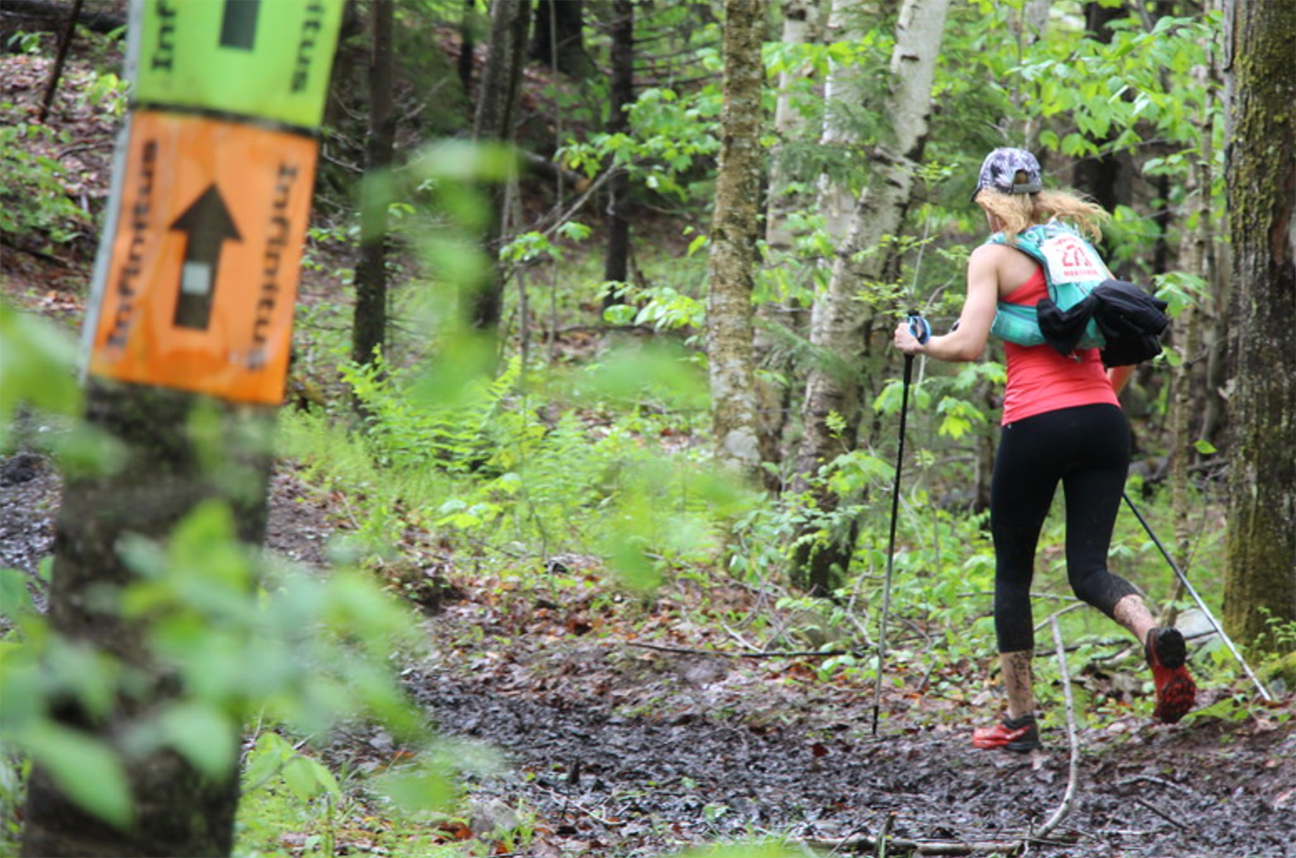
The course follows a figure-eight (infinity-shaped) design made up of two loops: a shorter loop of roughly 8.5 to 9 miles with about 2,000 feet of climbing, and a longer loop of approximately 17 to 18 miles with more than 2,500 feet of elevation gain. Depending on the distance, runners alternate between these loops, repeatedly returning to a central camp that simplifies logistics while intensifying the physical and mental demands.
The terrain reflects classic New England trail conditions, with rugged singletrack, forest roads, and snowmobile trails covered in rocks, roots, mud, and occasional stream crossings. Steep ascents, technical footing, and relentless elevation gain combine to create a true backcountry challenge that rewards durability, pacing, and problem-solving over multiple days.
More than just a race, Infinitus is defined by its strong community spirit and immersive camp environment, where runners eat, rest, and share the experience together while pursuing distances that stretch far beyond traditional ultramarathon limits.
More Details and Registration: Infinitus
Tahoe 200 Endurance Run
June 12-16, Lake Tahoe, California
The Tahoe 200 Endurance Run is one of the pioneering modern 200-mile ultramarathons in the U.S., launched by race director Candice Burt in the mid-2010s as part of a movement that pushed the boundaries of trail running. It quickly established itself as a flagship event in the 200-mile category, built around the concept of multi-day, single-stage racing that requires runners to carefully manage sleep, pacing, and recovery over several days.
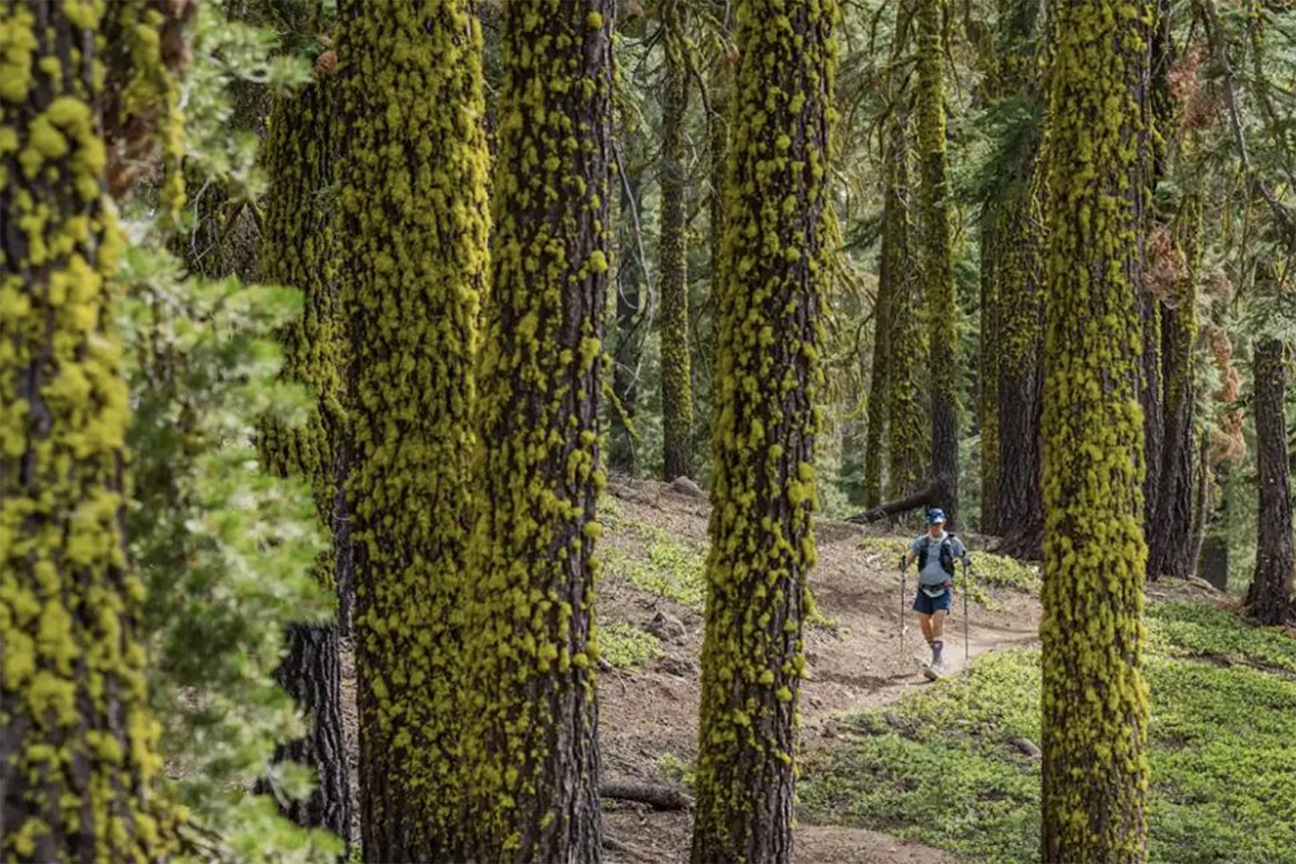
The course spans roughly 200 miles—typically around 200 to 201 miles depending on the route—circling Lake Tahoe, the largest alpine lake in North America. Much of the route follows the Tahoe Rim Trail, traversing high-altitude terrain with approximately 35,000 to 36,000 feet of elevation gain across ridgelines, forests, and exposed alpine sections with expansive lake views.
Thanks to its prestige and limited field size, the race is known to sell out rapidly—often within hours of registration opening—as runners vie for a spot in one of the most coveted multi-day ultras in the world. Participation is generally capped at just a few hundred runners, adding to the event’s exclusivity.
More than just a long-distance race, the Tahoe 200 is defined by its scale and immersive nature, challenging runners to circle an entire mountain lake over three to four days while navigating rugged terrain, altitude, and the demands of self-management in one of ultrarunning’s most iconic events.
More Details and Registration: Tahoe 200 Endurance Run
The Summit 200
July 27-Aug. 2, Frisco, Colorado
The Summit 200 is a high-altitude, 200-mile ultramarathon based in Frisco, Colorado, featuring a single-loop course that circles Summit County on a mix of singletrack trails, forest roads, and sections of paved recreation path. The course is defined by its relentless elevation profile—starting above 9,000 feet, climbing to nearly 12,800 feet, and totaling around 40,000 feet of vertical gain—making it one of the most physically demanding 200-milers in the country.
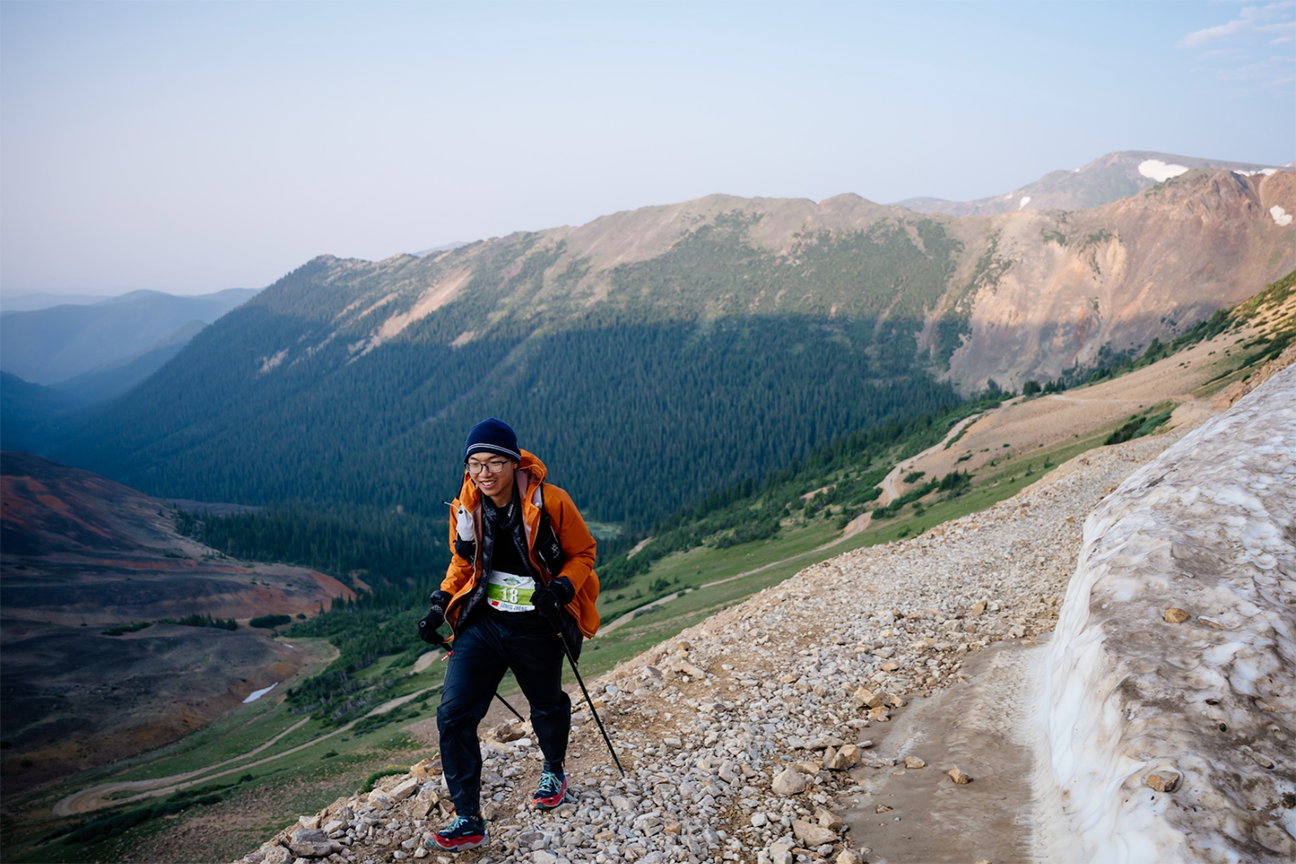
The field is intentionally kept small, typically limited to about 75 to 100 runners, giving the event a more intimate and understated feel despite the scale of the challenge. Though it has faced some early growing pains, the Summit 200 has quickly built a reputation for its rugged terrain, high-altitude difficulty, and bold design, establishing itself as a distinctive and formidable test in the evolving landscape of 200-mile ultrarunning.
More Details and Registration: The Summit 200
Buckeye Ultra 200-Mile Road Race
Aug. 13, Ashtabula, Ohio
The Buckeye Ultra 200-Mile Road Race is a fixed-time, multi-day ultramarathon held on a looped course in Ohio, where runners aim to cover 200 miles within a 72-hour window. The event takes place entirely on paved surfaces—typically a combination of roads and bike paths—making it a true road ultra that emphasizes steady pacing and durability rather than technical trail skills.
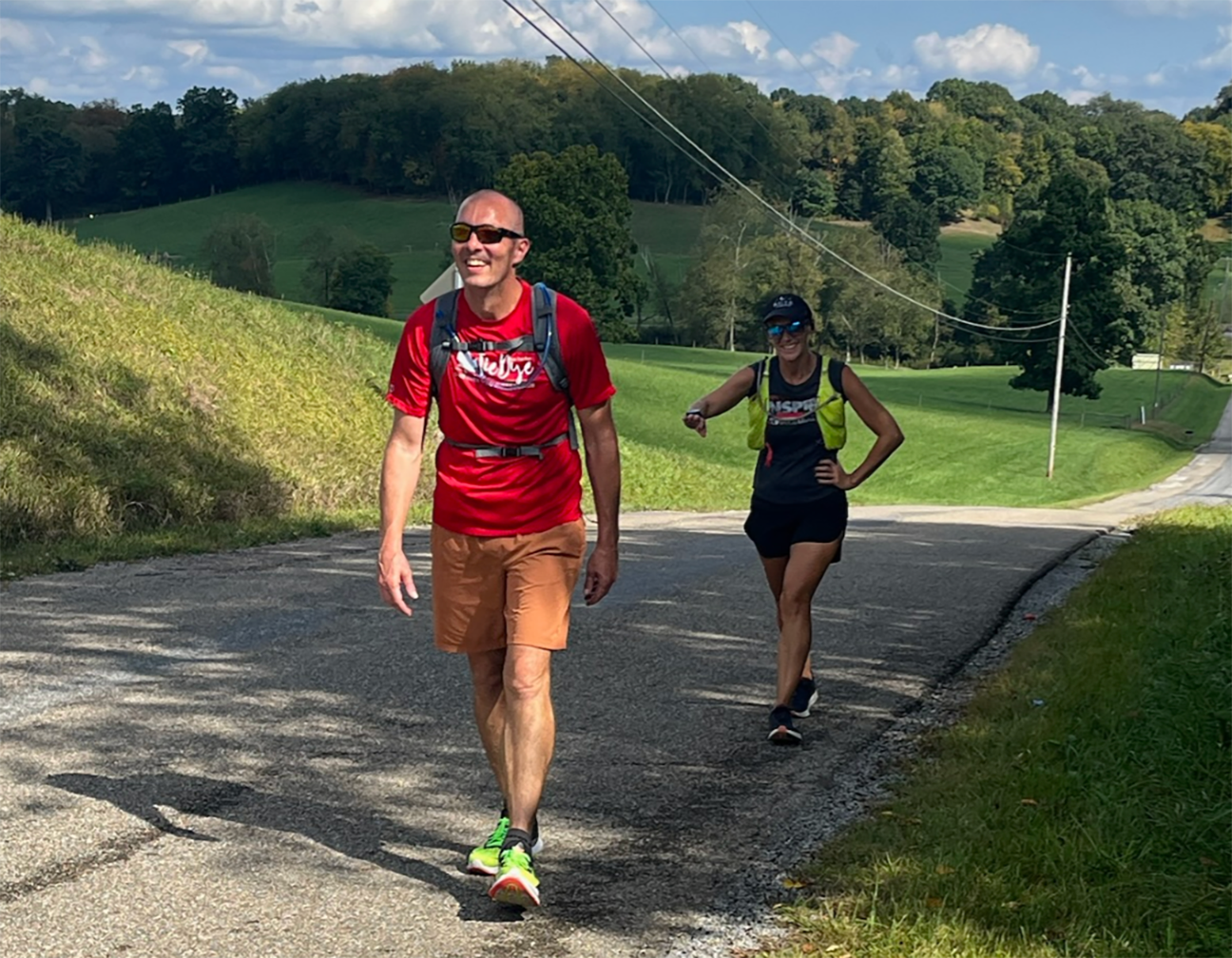
The looped format keeps runners close to a central aid station, simplifying logistics while still requiring careful management of rest, nutrition, and cumulative fatigue over three days. Participation is intentionally limited, usually drawing a small, competitive field of a few dozen runners, which creates an intimate, focused race atmosphere.
More Details and Registration: Buckeye Ultra 200-Mile Road Race
Bigfoot 200 Endurance Run
Aug. 14-18, Mount St. Helens, Washington
The Bigfoot 200 Endurance Run is one of the pioneering modern 200-mile ultramarathons in the U.S., first held in 2015 and widely regarded as the first point-to-point race of its kind—helping spark the growth of the 200-mile movement. Created by the Destination Trail team, it quickly became a defining event, pushing runners into the realm of multi-day racing that requires careful sleep management, pacing, and self-sufficiency over four or more days.
The course covers roughly 200 to 208 miles through Washington’s Cascade Mountains, starting near Mount St. Helens and finishing in Randle, with more than 43,000 to 45,000 feet of elevation gain. Along the way, runners traverse a dramatic mix of terrain, including volcanic blast zones, lava fields, alpine ridgelines, old-growth forests, river crossings, and long, remote stretches of singletrack, with only minimal road sections near the end.
Widely considered one of the most difficult 200-milers in the U.S., Bigfoot combines relentless climbing, technical footing, and deep wilderness isolation with unpredictable mountain weather and the cumulative toll of multi-day fatigue. The route includes massive climbs—some exceeding 5,000 feet at a time—and long sections between aid, demanding both physical durability and strong mental resilience.
What sets the race apart is its immersive, expedition-like feel: runners move through the stark Mount St. Helens blast zone early in the race, later crest high ridgelines with views of Mount Rainier, and rely on a network of remote aid and sleep stations spread across the course. This blend of volcanic landscapes, dense forests, and sheer scale has made the Bigfoot 200 one of the most iconic—and unforgiving—ultramarathons in the world.
More Details and Registration: Bigfoot 200 Endurance Run
Old Ephraim 200
Aug. 24, Logan Utah
The Old Ephraim 200 is a demanding, point-to-point ultramarathon in northern Utah that spans roughly 215 miles through the remote Bear River Range, with about 40,000 feet of elevation gain across primarily singletrack trails and forest roads.
Aimed at seasoned ultrarunners, the race prioritizes true wilderness immersion, winding through dense pine and aspen forests, open meadows, and long, isolated stretches with very little pavement. The event takes its name from Old Ephraim, a legendary grizzly bear that once roamed the region in the early 1900s and became a lasting symbol of resilience and strength in local lore.
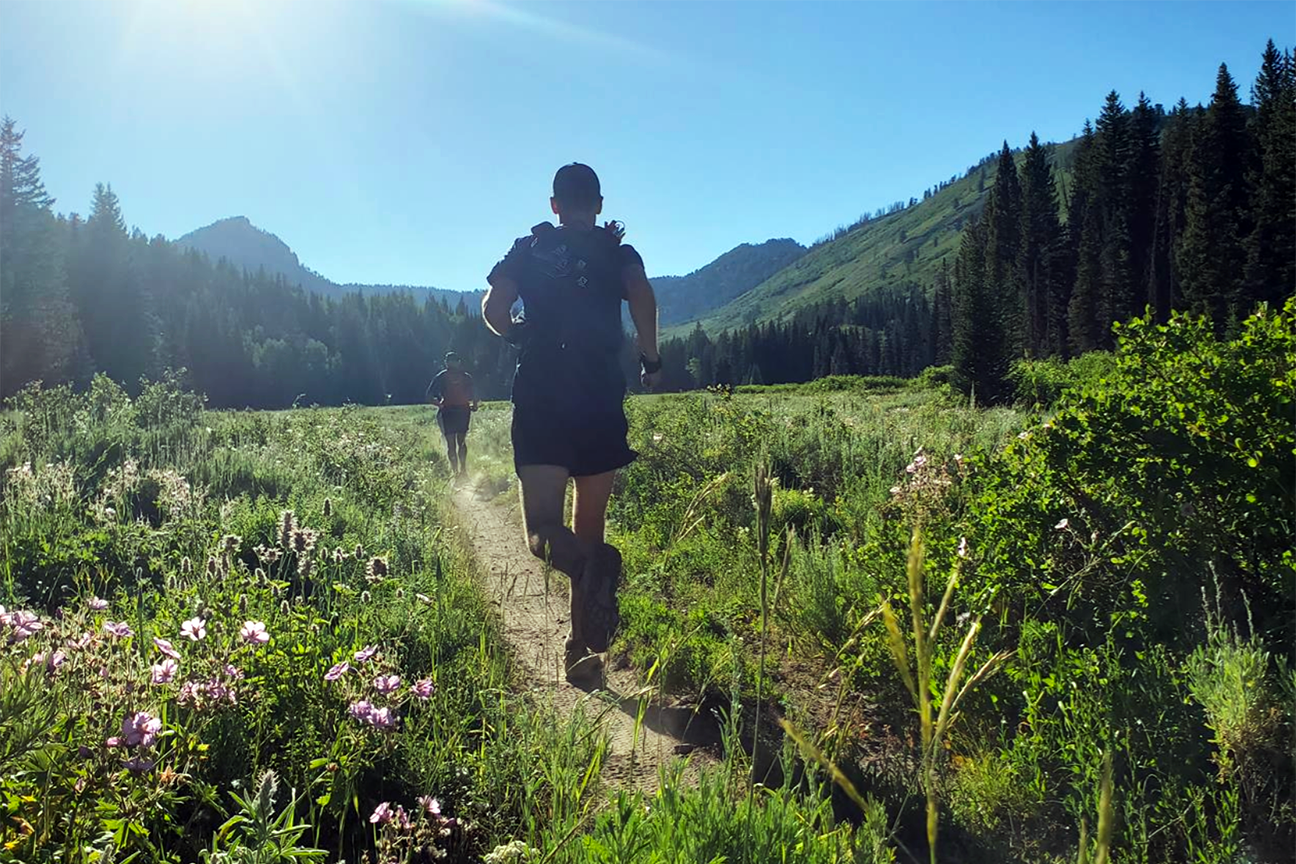
That history is deeply embedded in the race, with the course passing through areas tied to the bear’s story and even including an aid station at his gravesite, connecting modern endurance efforts with the enduring spirit of the mountains.
More Details and Registration: Old Ephraim 200
Front Range Ultra Dayze
Sept. 3-7, Loveland, Colorado
The Front Range Ultra Dayze is a multi-day ultrarunning festival held each September in Loveland, Colorado, centered on a flexible, choose-your-own-distance approach to endurance racing. It features a broad range of options, including fixed distances like 50K, 100 miles, and 200 miles, along with timed events such as 12-, 24-, 48-, 72-, and even 100-hour formats, giving runners the freedom to shape their own challenge.
All races take place on a compact 2-mile loop that winds through Centennial Park and the River’s Edge Natural Area, creating a highly repeatable course where runners regularly pass a central aid station. The terrain is about 80 percent dirt trail and 20 percent pavement, with a flat, fast profile that prioritizes consistent pacing and mental toughness over technical trail skills.
Blending a relaxed, festival-like atmosphere with the demands of multi-day racing, the event’s looped format simplifies logistics while pushing runners to manage fatigue, repetition, and forward progress over extended periods of time.
More Details and Registration: Front Range Ultra Dayze
Freedom Ultra Festival
Sept. 4-8, Bonney Lake, Washington
The Freedom Ultra Festival is a multi-day ultrarunning event offering a wide spectrum of distances, from a 200-mile race to 100 mile, 100K, 50 mile, and 50K options, along with 24-, 12-, and 6-hour timed events.
All races are held on a compact 3.1-mile loop at Kearin Family Farm, where runners circle the course repeatedly while remaining close to a central hub for aid, crew support, and race operations. The surface blends paved paths, gravel, dirt, and grass, and the relatively flat layout makes it approachable while still requiring careful pacing over extended periods.
Structured as both a community festival and a serious endurance test, the event gives runners flexibility in distance while the looped format streamlines logistics, simplifies crew access, and makes managing rest and recovery more efficient.
More Details and Registration: Freedom Ultra Festival
Cowboy 200
Sept. 25-28, Norfolk, Nebraska
The Cowboy 200 is a point-to-point, 200-mile event that sends runners west along the historic Cowboy Trail in Nebraska between Norfolk and Valentine. Because it’s a converted railroad route, runners also cross numerous old rail bridges and pass through small, history-rich towns that once served the original line—adding a unique historical element to the race experience.
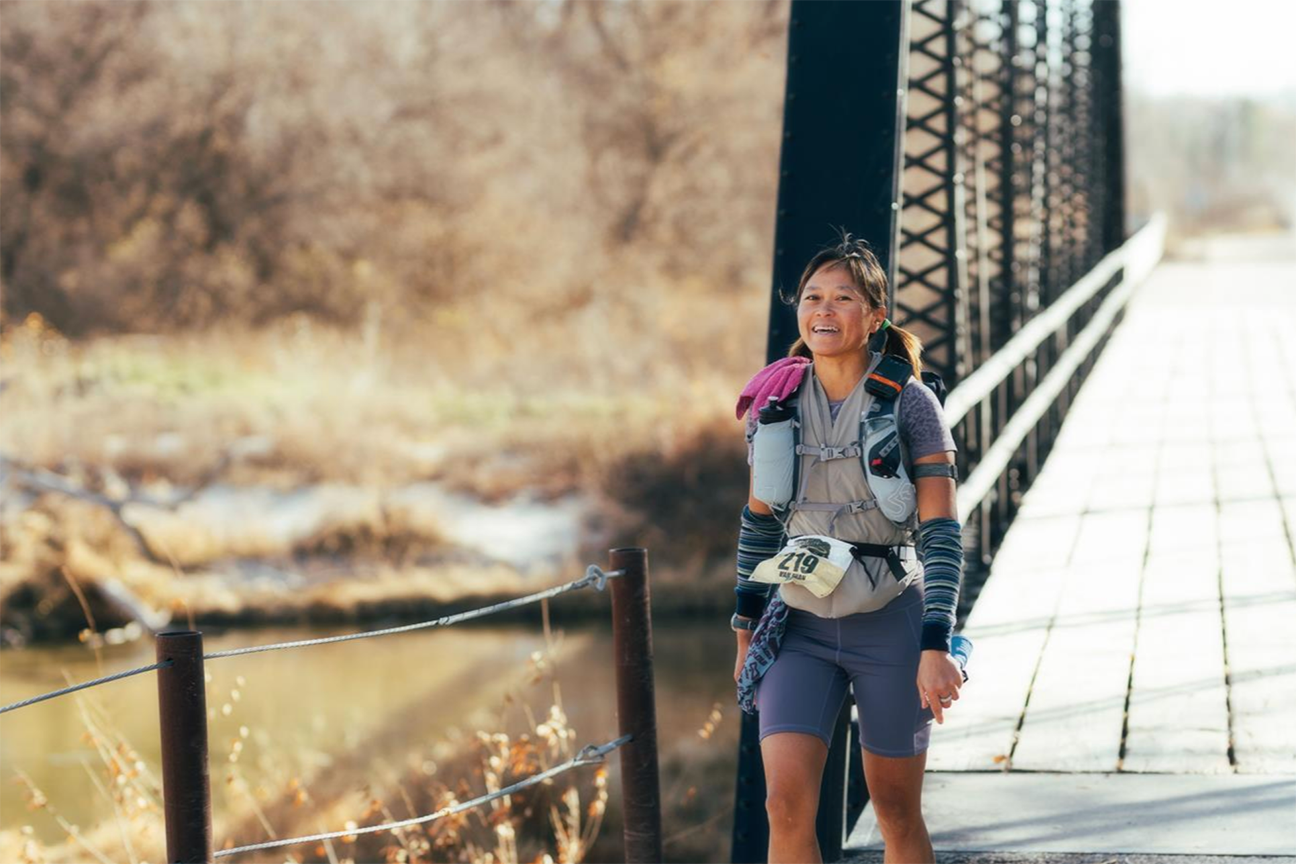
The route follows a smooth, non-technical rails-to-trails path of crushed limestone that is largely flat and highly runnable, making it one of the more approachable 200-milers for both newcomers and those aiming for faster finishes.
With a fully supported format that includes frequent aid stations and designated sleep stops, this race through the Nebraska backcountry strikes a balance between accessibility and the rigors of multi-day endurance, offering a challenging yet inviting long-distance experience with an 84-hour cutoff.
More Details and Registration: Cowboy 200
Moab 240 Endurance Run
Oct. 9-14, Moab, Utah
The Moab 240 Endurance Run is a sprawling 240-mile ultramarathon held each October in Moab, Utah, guiding runners on a single-loop adventure through some of the most striking terrain in the American West. The course connects desert canyons, slickrock expanses, and two mountain ranges rising above 10,000 feet, creating a landscape that constantly evolves—equal parts breathtaking and unforgiving.
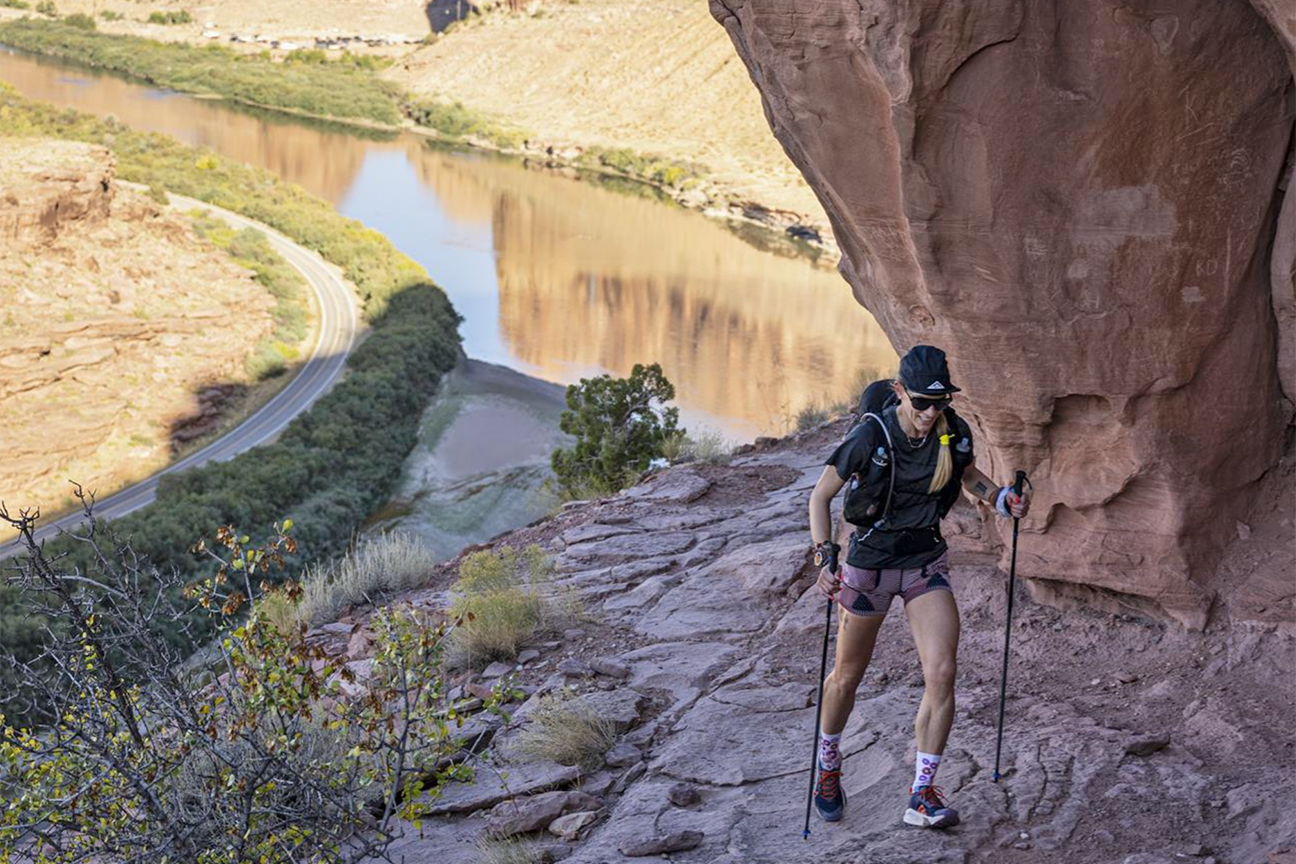
Featuring more than 31,000 feet of elevation gain and a cutoff of around 112 hours, the race requires a sustained effort over four to five days, where physical endurance is matched by the need for smart pacing and sleep management. Participants move through remote backcountry and iconic red-rock settings, often contending with dramatic temperature swings and extended gaps between aid stations, reinforcing the event’s emphasis on self-sufficiency.
Regarded as one of the premier 200-plus-mile races in the U.S., the Moab 240 delivers a deeply transformative challenge, pushing runners beyond traditional limits while immersing them in the raw beauty of Utah’s desert terrain.
More Details and Registration: Moab 240 Endurance Run
San Diego 200
Oct. 23, Escondido, California
The San Diego 200 is a punishing 200-mile ultramarathon in which runners must finish within an 82-hour cutoff. The course loops around San Diego County, delivering a sweeping tour that spans coastal sections, urban pathways, mountainous trails, and desert terrain.
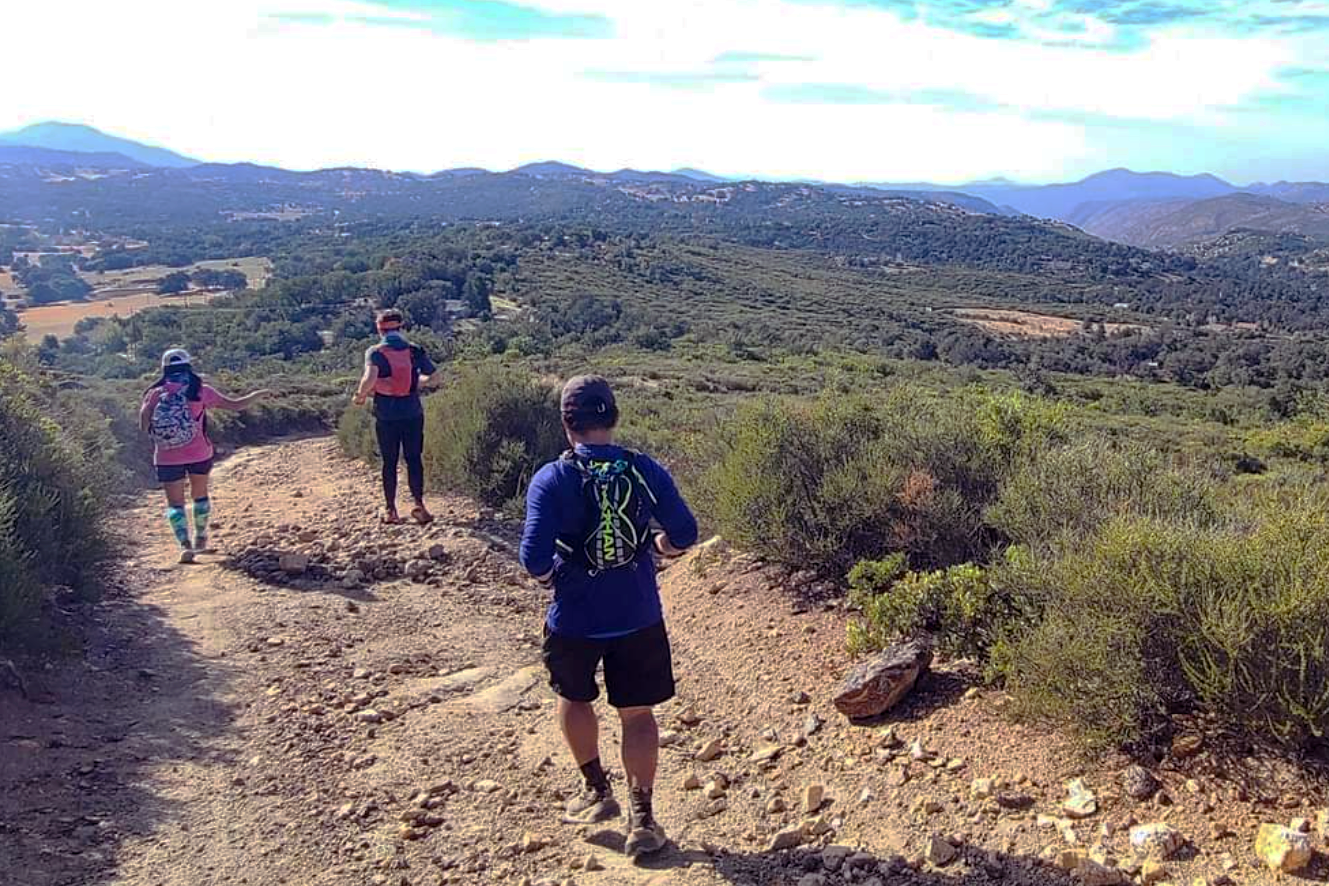
With an almost even split between trail and road, the race requires adaptability, steady pacing, and the ability to manage constantly shifting conditions over several days. Built for seasoned ultrarunners, the event places a premium on self-sufficiency, smart strategy, and mental toughness, offering a formidable yet rewarding endurance challenge.
More Details and Registration: San Diego 200
Machete Muertos 200
Oct. 28-Nov 1, Perris, California
The Machete Muertos 200 is a fiercely demanding 200-mile ultramarathon staged each late October at Lake Perris in Southern California, unfolding over multiple days as part of a Día de los Muertos-themed endurance gathering. The course packs in more than 44,000 feet of elevation gain across rugged, looped terrain, with a 96-hour cutoff that pushes even seasoned ultrarunners to their limits—both physically and mentally.

Often considered one of the most punishing 200-milers in the U.S., the race pairs relentless climbs with quad-crushing descents, all within a format that forces runners to repeatedly decide whether to head back out for another loop or call it a day.
Yet for all its difficulty, the event is grounded in a deep sense of community, where volunteers, crews, and fellow competitors create an immersive and supportive atmosphere that honors perseverance, culture, and the drive to go beyond perceived limits.
More Details and Registration: Machete Muertos 200
Across Florida 200
Nov. 10-15, St. Augustine, Florida
The Across Florida 200 is a distinctive 200-mile ultramarathon held each November, challenging runners to cross the state from the Gulf Coast to the Atlantic Ocean. Starting on Florida’s west coast and finishing at the St. Augustine Beach Pier, the race plays out over four days with a 96-hour cutoff, combining raw endurance with the strategy and logistics of multi-day racing.

The point-to-point route highlights a wide range of terrain, including more than 100 miles of the Florida Trail, as well as state park paths, dirt roads, Rails-to-Trails segments, and stretches of pavement. Along the way, runners move through remote forests, the Cross Florida Greenway, and the rolling landscape of Ocala National Forest, making for a journey that’s as varied as it is demanding.
What makes the event especially unique is its fully supported structure—complete with aid stations, crew access, and sleep stations—paired with the symbolic tradition of carrying sand from one coast to the other. More than just a race, it’s a cross-state expedition that challenges runners to manage fatigue, navigation, and resilience over multiple days of continuous forward progress.
More Details and Registration: Across Florida 200
WTF Dark Sky 220
Nov. 11-Dec. 31, Lock Haven, Pennsylvania
The WTF Dark Sky 220 is a multi-day, 220-mile ultramarathon based in Lock Haven, Pennsylvania, that takes runners on a single-loop journey through the rugged forests, state parks, and remote terrain of the PA Wilds. With more than 40,000 feet of elevation gain, technical trails, and countless stream crossings, it’s designed as a deeply challenging “Beast Coast” adventure that unfolds over several days and nights.
What sets the event apart is its flexible, adventure-style format, allowing participants to choose supported, self-supported, or fully unsupported efforts, as well as team options, making it as much a logistical and strategic challenge as a physical one.
More Details and Registration: WTF Dark Sky 220
2027 Races
Swammie Shuffle 200
Feb. 28, Virginia Beach, Virginia
The Swammie Shuffle 200 is a demanding, self-supported ultramarathon held each February along the Atlantic Coast, starting and finishing at Sandbridge Beach in Virginia Beach. Participants cover more than 200 miles on an out-and-back route through North Carolina’s Outer Banks, running to the Cape Hatteras Lighthouse before reversing course and heading back.
In contrast to many fully supported 200-milers, runners are responsible for their own logistics—managing food, sleep, and pacing across a multi-day effort that typically spans about five days. The route mixes beach running, paved sections, and isolated coastal terrain, with long stretches between resupply opportunities and exposure to shifting weather conditions.
Beyond the physical challenge, the event serves a meaningful purpose, honoring Marine veteran Dustin “Swammie” Lang while raising awareness about veteran suicide. With its small field and mission-driven spirit, the race emphasizes community, remembrance, and resilience as much as endurance.
More Details and Registration: Swammie Shuffle 200
Viper 200/300
March 8-14, Memphis, Tennessee
The Viper Trail Races are a multi-distance ultrarunning event held at Shelby Farms Park in Memphis, Tennessee, offering a full lineup of distances including 25K, 53K, 100-mile, 200-mile, and a marquee 300-mile race. Each distance is built around a repeatable loop of about 33.4 miles, which runners complete multiple times depending on their event, creating a multi-day format for the longer races.
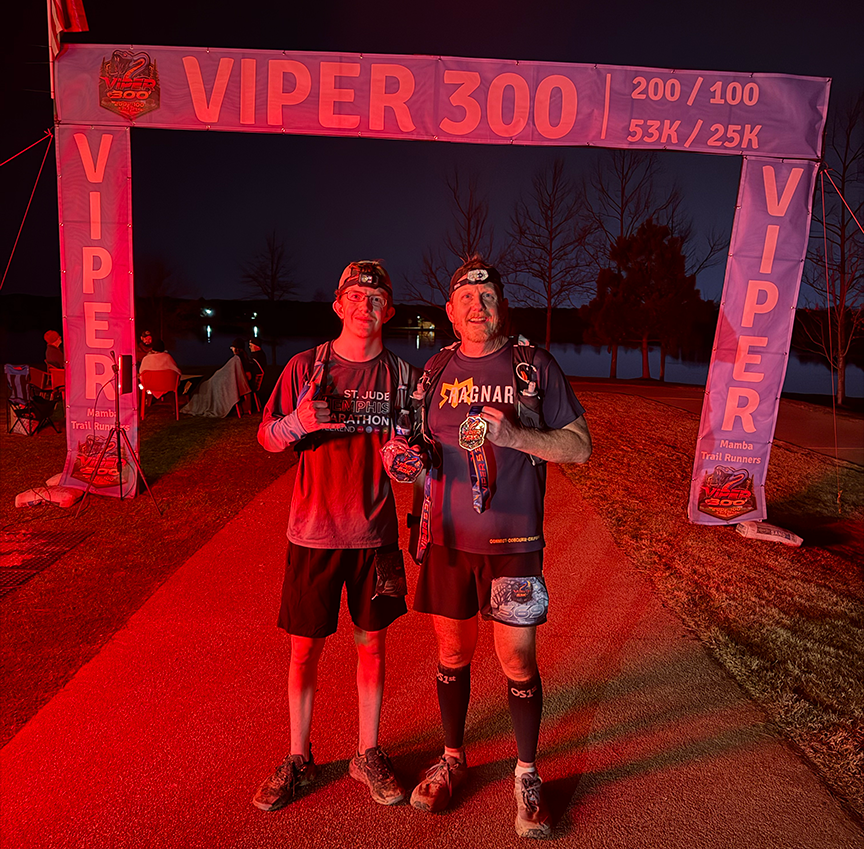
The course combines paved greenways with dirt singletrack—roughly 70 percent dirt and 30 percent pavement—winding through lakes, wooded areas, and open parkland on a relatively flat, highly runnable layout.
Participation has expanded in recent years, with approximately 100 to 500 runners across all distances, giving the event a mix of competitive energy and a strong, community-focused atmosphere around one of the few 300-mile races in the sport.
More Details and Registration: Viper 200/300
Southern States 200
March 17, Delta, Alabama
The Southern States 200 is a 200-mile ultramarathon held in Alabama, sending runners on a point-to-point journey of roughly 200 to 220 miles through the rugged terrain of the Talladega National Forest and surrounding regions. The course is predominantly non-technical but demanding, consisting of a mix of forest roads, dirt trails, jeep tracks, and sections of pavement, all strung together with significant elevation gain and long, remote stretches.
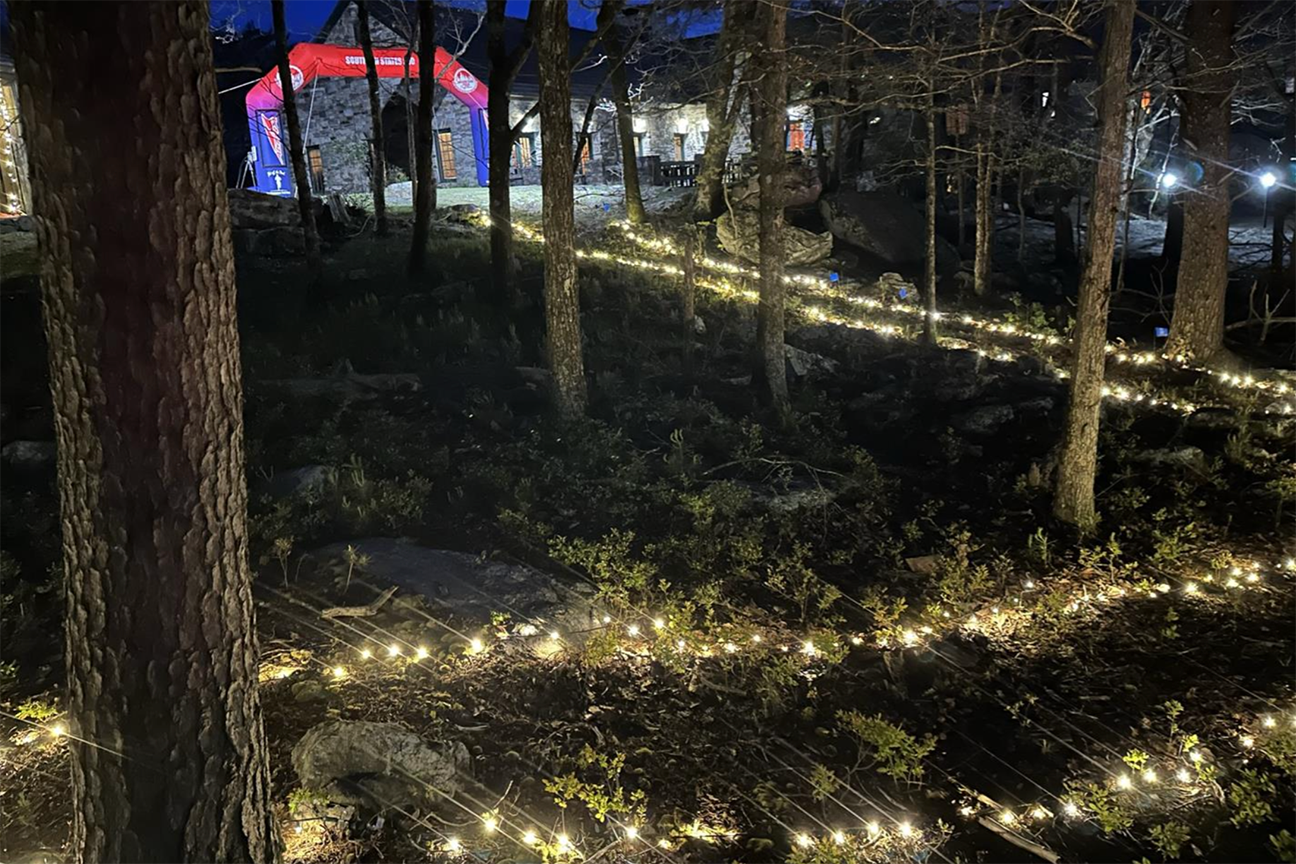
As one of the earlier 200-mile races in the Southeast, it helped expand the concept of multi-day ultrarunning beyond the Western U.S., carving out a reputation for toughness, heat, and humidity. The event is known for its grassroots feel and unique Southern character, with a strong emphasis on self-reliance, community support, and navigating extended sections between aid.
Participation is intentionally limited, typically drawing a relatively small field of a few dozen to around 100 runners, which adds to its intimate and challenging atmosphere. Overall, the Southern States 200 stands out for its blend of remote backcountry terrain, Southern climate conditions, and old-school ultrarunning ethos, offering a distinct and demanding take on the 200-mile distance.
More Details and Registration: Southern States 200
Canebrake 200
March 22-26, Atlanta
The Canebrake 200 is a multi-day ultramarathon staged at Sweetwater Creek State Park just outside Atlanta, offering both a 200-mile race with a 96-hour cutoff and a 100-mile option with a 48-hour limit for experienced ultrarunners. The route is structured around two repeatable loops—a shorter inner loop of roughly 5 to 5.5 miles and a longer outer loop of about 9.5 to 10 miles—winding through wooded terrain, past historic mill ruins, and sections used as filming locations for The Hunger Games.
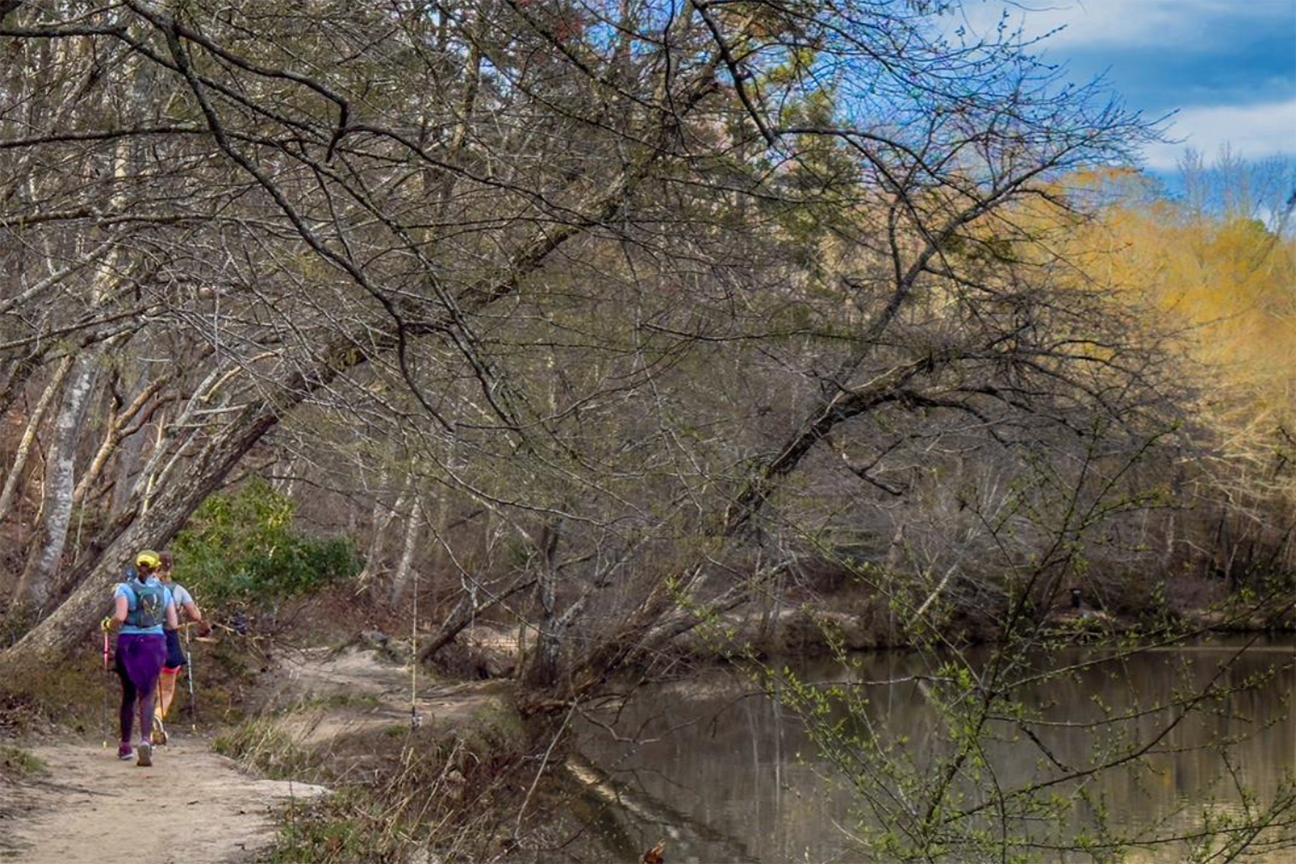
The surface is predominantly non-technical, consisting of compacted dirt trails, roots, rocks, and stretches of crushed gravel, with about 90 percent of the course on unpaved terrain, offering a balance of speed and trail variability.
More Details and Registration: Canebrake 200
Arizona Monster 300
March 29-April 4, Patagonia, Arizona
The Arizona Monster 300 is a roughly 300-mile point-to-point ultramarathon that crosses southern Arizona, taking runners from Patagonia near the Mexico border to Superior, east of Phoenix, through the rugged Sonoran Desert. First held in 2025, it’s one of the newest—and most ambitious—events in the emerging 300-mile category, created by the Destination Trail team known for pioneering 200-mile races.
The course is exceptionally demanding, featuring more than 40,000 feet of elevation gain and consisting primarily of singletrack (over 80 percent), with smaller sections of bike path, dirt road, and minimal pavement. Runners encounter a wide variety of terrain, from cactus-lined desert and exposed ridgelines to higher-elevation mountain zones, often dealing with extreme heat, remote conditions, and long stretches between aid stations.
Following its inaugural edition in 2025, the race quickly drew attention for its scale and ambition, helping demonstrate the growing viability of 300-mile point-to-point races in the U.S. The Arizona Monster 300 emphasizes the experience, completion, and personal achievement of tackling one of the longest organized trail races in the country. Its appeal lies in its sheer scope and difficulty—a true expedition-style challenge that pushes runners well beyond traditional ultramarathon boundaries.
More Details and Registration: Arizona Monster 300
Cocodona 250
May 3, Black Rock City to Flagstaff, Arizona
The Cocodona 250 is a 250-mile point-to-point ultramarathon across Arizona that takes runners from Black Canyon City to Flagstaff, traversing deserts, canyons, and high-altitude mountain terrain over several days. The race features more than 40,000 feet of elevation gain and demands not only physical endurance but also strategic management of sleep, heat, and rugged trail conditions.
In addition to the flagship 250-mile event, Cocodona has expanded into a multi-race festival that includes shorter distances such as the 125-mile, 60K, 50K, and a marathon, making the experience accessible to a wider range of runners. What sets Cocodona apart is its immersive, community-driven atmosphere, with runners, crews, and spectators engaging across multiple days in a shared endurance experience.
It’s not just a race, but a growing trail running festival that blends elite competition with grassroots energy in one of the most ambitious endurance events in the U.S. Due to the rapid growth in the race’s popularity, the Cocodona 250 will be transitioning to a lottery system for 2027. All applicants will receive one ticket for entering the lottery, but additional tickets will be granted to previous finishers and volunteers. It opened on Friday, May 1 at 2:50 p.m. PST.
Registration for the remaining races are as follows: Sedona Canyons 125, June 3; Bradshaw Brute 100, June 4; Mingus Traverse 80, June 5; Flagstaff Crest 40, June 6.
More Details and Registration: Cocodona 250 (and adjacent events)
-

The Importance of Identifying and Lowering Barriers for Women in Trail Running
-

-

-

-
10 Great Vermont Trail Races You Should Put on Your Must-Do List
-

The Wit and Wisdom of Mike Smith, One of the World’s Most Prolific 100-Mile Runners
RELATED: Are 200s the New 100s? The Fast-Growing Category of 200-mile+ Ultra-Distance Races in the U.S.
RELATED: Humans of the Arizona Monster
RELATED: Behind the Bib: Moab Run The Rocks