I woke up before the sun rose again today and got my 8-mile run in early, both because I had a busy day planned and also because I knew it was going to be blistering hot. Again.
This summer has been a scorcher throughout North America. When the thermometer starts pushing above 80 degrees at 9 a.m., it means you either have to run early in the morning or take extra steps to make sure you don’t destroy yourself in the heat.
But running in the summer heat shouldn’t be about grinding through discomfort for the sake of grit. It’s about staying cool enough, hydrated enough, and protected enough that the heat becomes a variable you’ve planned for, not something that crushes you just a few miles from the trailhead.
I’ve run enough scorching summer runs—and bonked hard enough many times—to know that heat management isn’t a nice-to-have, it’s a must-have. Runners who thrive in summer heat aren’t necessarily fitter and might not actually beat the heat so much as they have learned to outmaneuver it. They’re just smarter about hydration, gear, timing, and knowing when to bail on a plan that’s no longer serving them.
Here are a few ways I’ve learned to manage the heat on medium to long training runs and mountainous adventure runs in the dead of summer.
1. Start Before the Sun Does
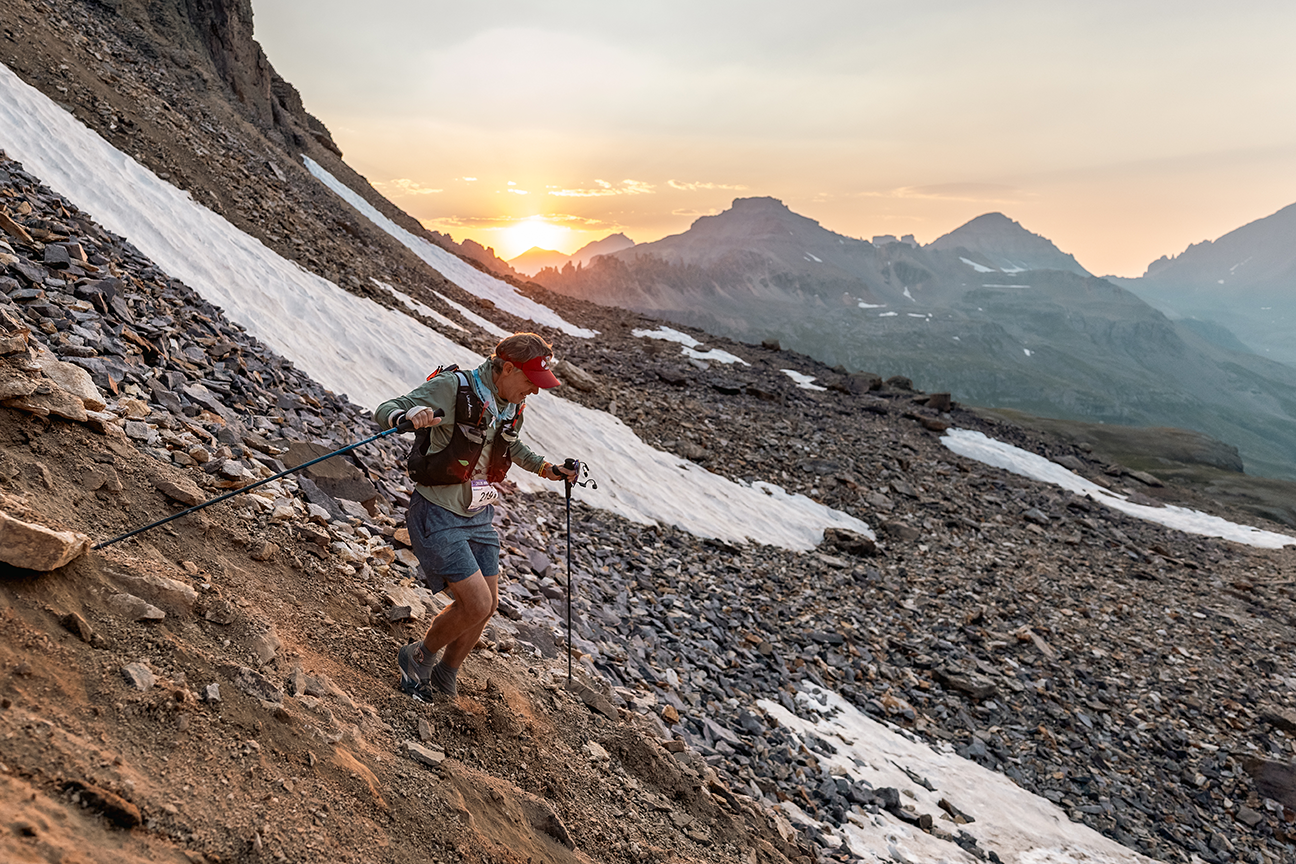
The single most effective heat-management tool might not be a piece of gear or your hydration vest, but it could be your alarm clock. I love running at sunrise, and usually it has little to do with the weather and more the vibes that come with watching a new day begin. But starting before sunrise means you’re logging miles in cooler air instead of the 80- to 100-degree air that comes quickly after sunrise and usually lingers until dusk.
Yes, starting a run during the long daylight hours of summer with a headlamp can feel cumbersome, but that hour of darkness before dawn breaks over the horizon is often the most peaceful running you’ll do all summer, and it buys you the single biggest hedge against the heat. If you aim to finish your key mileage before the sun climbs high and temperatures spike, you’ll have the rest of the day for everything else: work, recovery, re-fueling, rest, family time and the opportunity to relax in the cool confines of air conditioning.
2. Rehydrate Continually
Thirst can be a lagging indicator in the heat. I know by the time I feel it, I’m already in a hydration deficit that’s hard to climb out of mid-run. The runners who handle heat well treat hydration as a continuous process that starts hours before your shoes hit dirt, not a reactive one they solve at the next stream crossing.
I try to make sure I’m plenty hydrated when I go to sleep at night, often chugging a large glass of water before I get in bed. Then I do the same first thing in the morning after I wake up. When I head out for a run, I sip steadily before I start and then throughout an entire run. I gauge how much water to take on the run based on how long I will run and if there are water sources along the way—either water I can filter (see below) or can fill up on for free or a few bucks. My goal is always to sip the last of my water as I am finishing my run (or when I get back to my truck or front door) and wind up with empty bottles.
RELATED: Avoid These 5 Common Fueling and Hydration Mistakes
3. Make Electrolytes Essential
It’s important to hydrate with more than just water in the summer heat (to avoid hyponatremia but also just to stay optimally hydrated), especially if you are a heavy sweater. (It also pays to get a sweat test to understand what your sweat rate and composition are.) Be sure to top up your sodium stores with electrolytes during a run, either through electrolyte drinks, trail snacks or supplement additives like dissolvable powders or tabs you can drop into a flask full of water.
When it comes to hydration in hot weather, follow what Trailhead columnist Jane Maus suggests: “The goal with hydration is generally to keep body weight losses less than 2 percent. When you know your sweat rate, replacing the majority of fluid and sodium is sufficient for most athletes. A good starting point is to replace roughly 80 percent of fluid losses and 50-60 percent of sodium losses. Only drinking to thirst in a hot race (or long run) often leads to dehydration, so having hydration consumption goals becomes more important.”
RELATED: A Practical Guide to Hydration for Trail Runners
4. Freeze Your Flasks
It’s not a huge pro tip, but freezing your soft flasks (or reservoir) the night before a long run in the heat is a key trick of the trade you can benefit from. It’s the cheapest, lowest-tech trick in the heat-management playbook, and it’s the one most runners overlook. (Fill them about 95 percent to make room for expansion as the water freezes.)
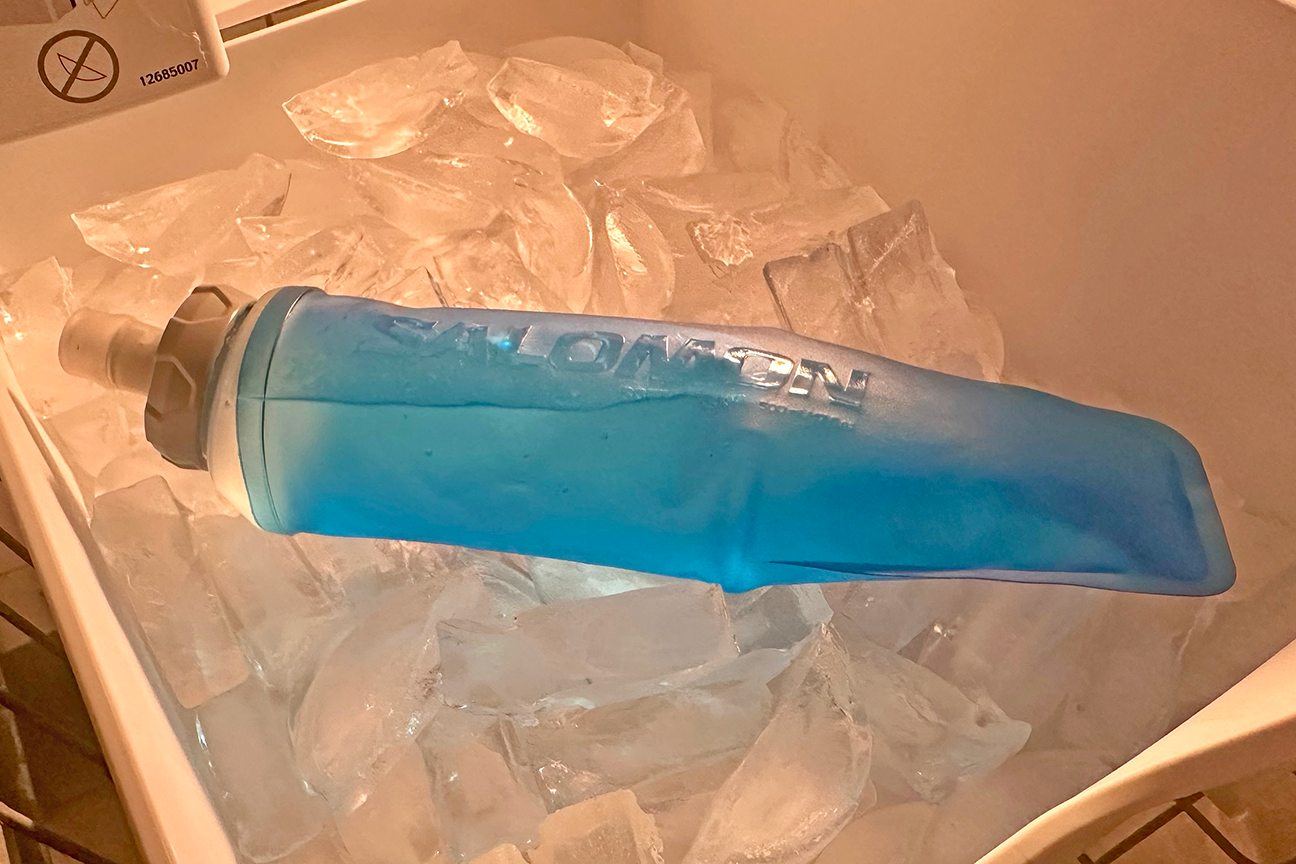
A frozen flask doesn’t just give you cold water later in the run—it acts like a mobile ice pack against your chest or back, keeping your core temperature down from mile one. By the time that ice has melted, you’ve got a bottle of properly cold water instead of the lukewarm swill that’s been baking under the summer sun. Small move, big payoff.
5. Carry a Water Filter
I often drink out of streams at higher altitudes, but let’s face it, the threat of giardia and cryptosporidiosis are real for most wild bodies of water. For the past few years, I have often used a lightweight inline filter that I screw onto one of my soft flasks.
Carrying a filter changes your relationship with water sources along the trail. Instead of rationing what’s in your vest, you’re able to top off at every creek crossing, which means you can carry less weight and never run dry. An inline filter that threads directly onto a soft flask, bottle or reservoir tube is about as low-hassle as it gets—no separate pump, no waiting around, just dip, fill, drink, and go.
6. Rethink What You Wear
I will be the first to admit that my trail running wardrobe has long needed a summer remake. The dark-colored tech shirts that feel great in March are heat traps in July and August. Believe it or not, I have only recently started to love running in sun hoodies. I’m not a huge fan of hoods, but after a recent long run on exposed, above-treeline terrain, I certainly understood the benefit.
Sun hoodies from brands like Janji, Mountain Hardwear, Fractel and Path Projects, among others, and techy cooling shirts like those from East Peak and Raide are built specifically to cool your body, shield the sun and reflect heat rather than absorb it, with UPF protection baked into breathable, loose-fitting fabrics. White sun sleeves can be a low-commitment entry point if you’re not ready to swap your whole kit. They cover the most sun-exposed part of your body (your forearms) without changing anything else about your setup.
Ice bandanas are a must for races, but they’re not really applicable for long training runs unless you plan to stop at a convenience store or fast-food restaurant for some ice during a run. (I’ve done both, and it’s not a bad idea, actually.) By all means, carry some kind of skin lubricant in your vest or waist belt on hot summer runs. There’s nothing worse that suffering from the heat and having painfully chaffed skin during a run.
7. Cover Your Noggin
I used to wear sun visors back in the day, but my scalp always got scorched in the sun, plus my face is already scoured with pre-cancerous concerns. Lately I’ve been loving the Bambu Werx Trail Cap that offers a better combination of coverage and cooling compared to standard trucker cap.
Wide-brimmed bucket hats can protect your face, ears, and the back of your neck—the exact spot where a lot of heat-related misery starts. It might not be the sleekest or coolest look on the trail, but neither is stumbling into a remote gas station desperate for a fountain drink or bonking under a tree from heat exhaustion. Look for hats with additional coverage or ventilation panels and remember to soak your lid in a creek and slap back on your head during any run in the heat.
8. Apply Sunblock Early and Often
It goes without saying that you should apply a sweat-resistant SPF 30+ before you start any run in the sun, but also know that one application at the trailhead doesn’t cover a three-hour run. Sweat and friction from clothing can wear away sunblock fast, and the sun exposure at altitude—where a lot of my summer trail running happens—is more intense than it feels. Carrying a small stick or travel-size tube of sunblock in a vest pocket is key for me so I can reapply after I inevitably wipe sweat (and sunblock) off my face.
9. Run to Water
Hydration cools you from the inside, but taking a plunge into an alpine lake or stream can cool you from the outside. My favorite trail runs of the summer are ones that lead to high alpine lakes or cold, flowing streams because they’re essentially functional cooling stations. Depending on where you live, it might mean running to a lake, the ocean, a river or just a trickling brook.
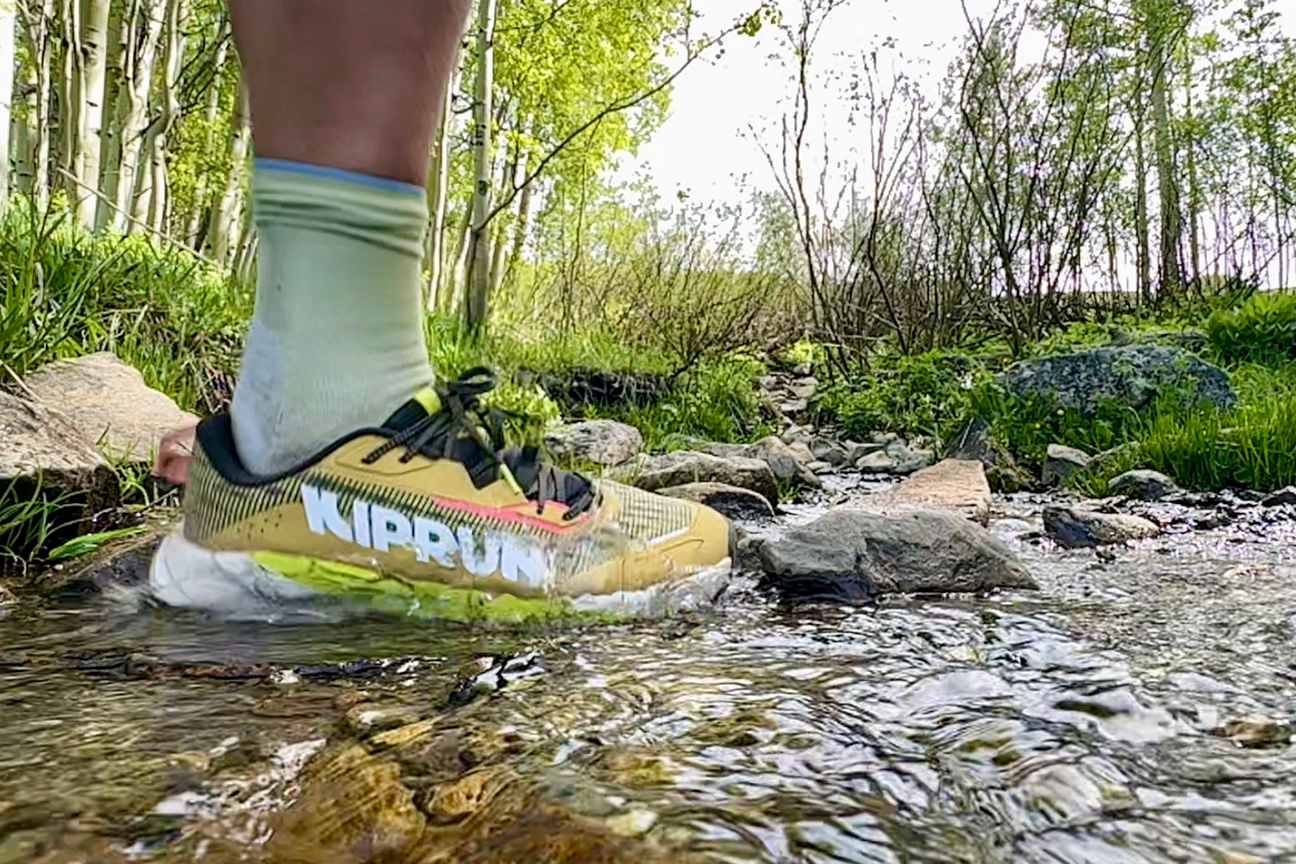
Amid the heat and dust on the trail, a cold body of water is a great place to cool off and get refreshed for the second half of the run. At the very least, I always splash my way through streams instead of hoping over the dry rocks to the other side. Some of the best summer runs I’ve done were built entirely around hitting a specific alpine lake at the halfway point, diving in partially clothed, and then tackling the second half of the run in drenched gear. One of my favorites is Fourth of July Mine Trail that heads to Arapaho Pass in Colorado’s Indian Peaks Wilderness Area and, most importantly, passes by the cold waters of Lake Dorothy.
10. Tone Down the Data
For me, just getting out the door on a hot day is a victory, so tracking (and worrying about) my run data always becomes an afterthought. I tend to suffer in the heat anyway, and even more so when it’s hot and humid, and the data isn’t a true indication of my fitness. Sometimes I’ll shorten a run in the heat, ease up on intensity, or nix a workout for the sake of an easy run. Or better yet, I’ll just give myself some grace for getting out there, enjoy the moment and lean into the heat knowing that some days it’s just fine to soak in the warmth and enjoy the views.
If you are running long or with a high level of intensity, be aware of the warning signs that your body is struggling—dead legs, dizziness, chills despite the heat, confusion, or even a lack of sweating. You might or might not be trending toward heat stroke, but you might need to give yourself a break and back off a bit. My rationale for taking it easier is that I’ve torn myself apart on hot runs so much sometimes that it takes longer to recover and I wind up having to switch up my training plans for the following days.
RELATED: Why and How You Should Hydrate Before, During, and After a Run
- 10 Ways to Beat the Heat: A Trail Runner’s Guide to Summer Survival
- Behind the Bib: Hyner Trail Challenge

- Trail Tested: The North Face Altamesa 500 V2

- New Ways to Think About Data for Runners

- Behind the Bib: Leavenworth Trail Fest

- Your Questions about Trail Shoes are Answered
- Train for Unfamiliar Terrain: How to Get Through a Challenging Race Even if You Train for It Remotely

- When A Race Crumbles: What’s Solvable and What Isn’t?
- 25 Great Trail Running Races with Waterfall Views