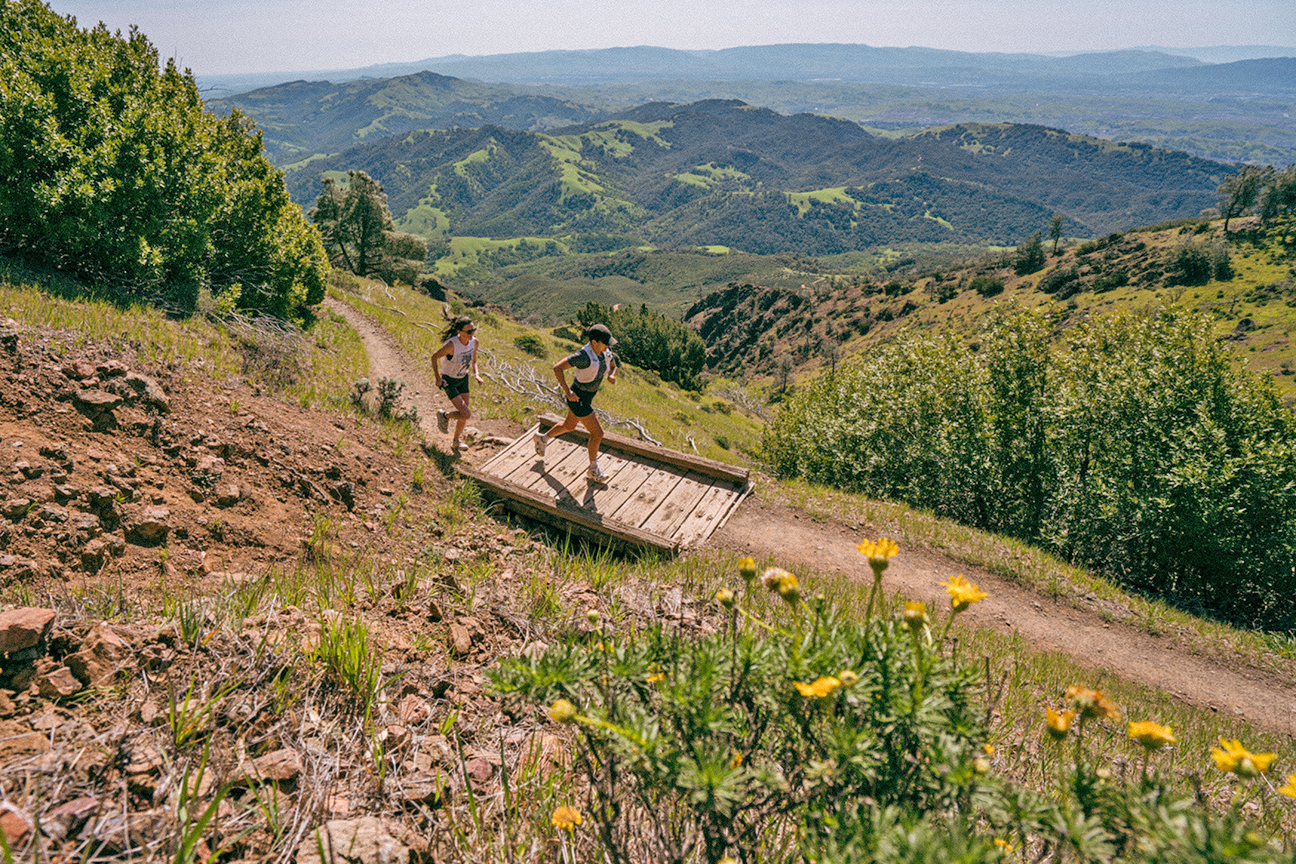
The Big Alta trail races, co-organized by Daybreak Racing and Freetrail, took place over the weekend in Marinwood, California, just north of San Francisco, and got rave reviews from runners, support crews, and some key trail running media and content creators who were on hand for the event.
Here are five key takeaways from last weekend’s Big Alta event, and why it could be a bucket list event for runners for years to come.
1. A World-Class Event with Local Flavor
Several runners remarked that the event felt like a great blend between a well-produced local/neighborhood event and an emerging world-class event. That was made possible by the fact that the event is now in its third year, and any of the minor kinks that come with starting up a new race have been worked out. A race organization with great experience, a good crew of eager and capable volunteers, a top-tier timing operation (and live leaderboard on ultralive.net), stunning courses on legendary trails, a great finish line atmosphere, the pre- and post-race Trailgaiting shows from Freetrail, plus the support of the San Francisco Running Company and Salomon, combined to make the third annual Big Alta event really sparkle. And finally, the races were run just a few blocks from the home of Freetrail’s Dylan Bowman, so, in essence, it was a neighborhood event.
2. Trail Runners Are Hearty
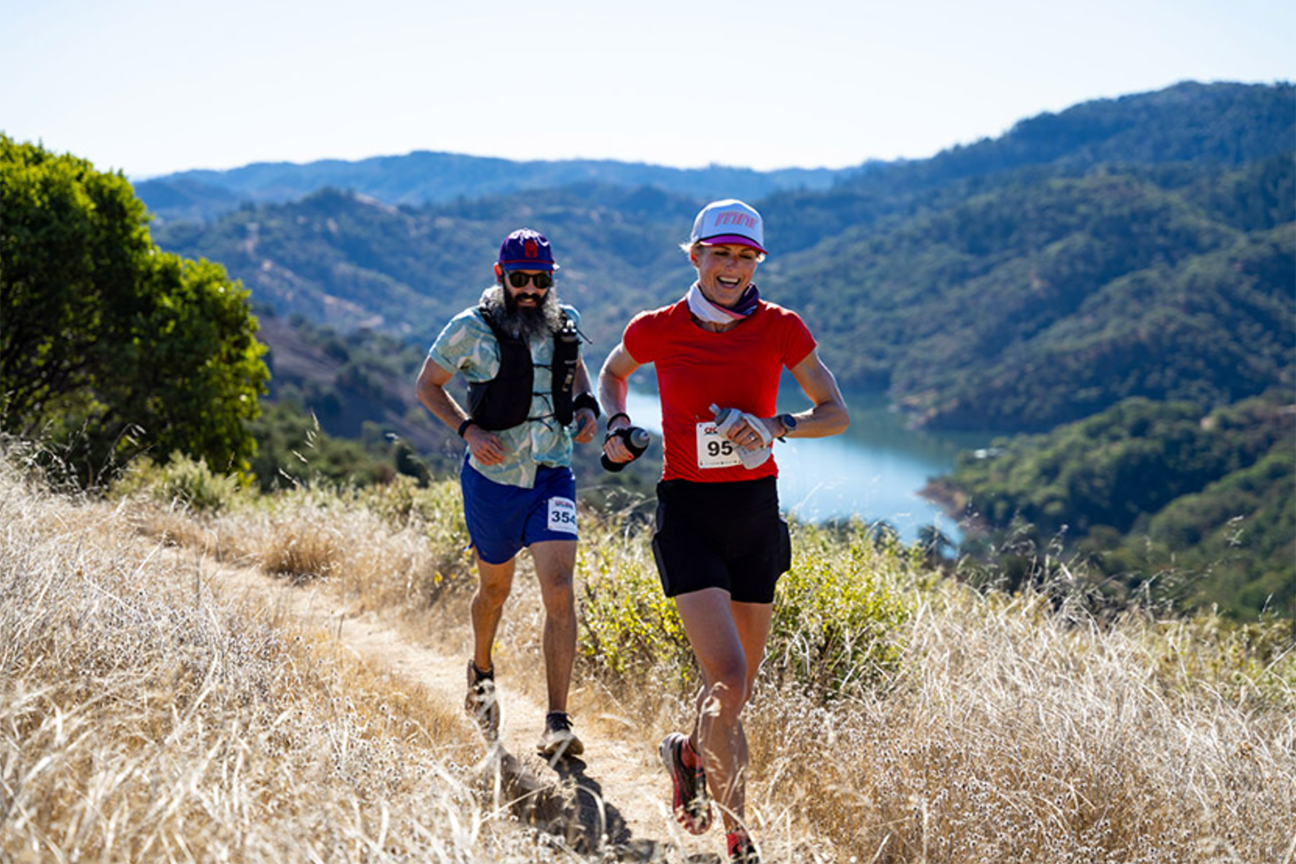
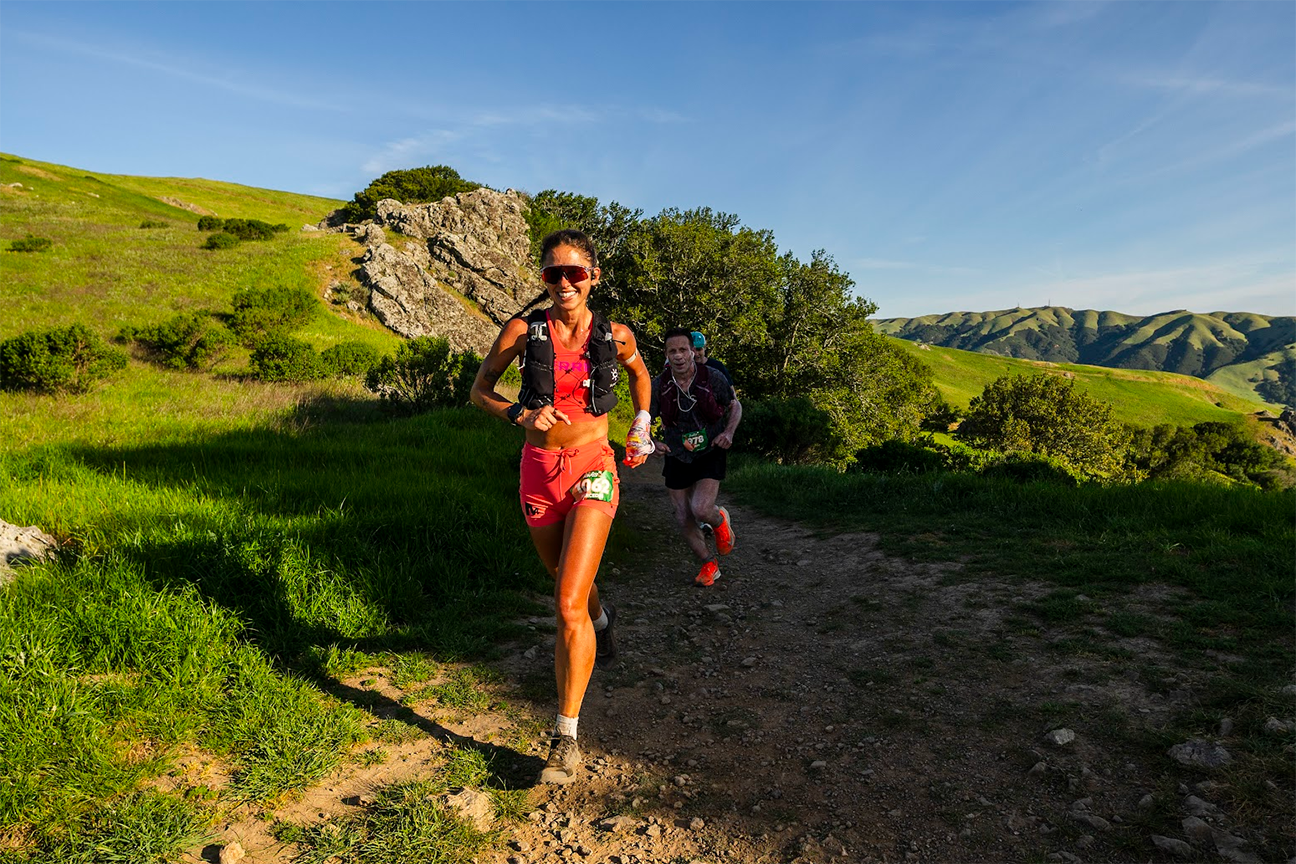
This is obvious at every trail running event across the country, but when record-heat with temperatures in the mid-80s greeted 50K runners on Friday, runners dug deep and didn’t falter. David Norris (3:43:07) and Klaire Rhodes (4:12:41), who ironically both have roots in Alaska, both admitted it was hot and probably cost them a shot at course records, but it seemed that most runners embraced—and actually celebrated—the warm weather at such an early season race. Unseasonably warm conditions seem to be happening more often at trail races, especially in the West, and yet, The Big Alta passed the test with well-stocked aid stations and supportive volunteers. Best of all, race officials and the spectators that stuck around offered the same enthusiasm for the final finishers who suffered in the heat the longest—Amber Watnik (8:20:35), Leann Mullender (8:23:20), and Bill Schum (8:28:41), the latter of whom finished with less than 90 seconds to spare.
3. Women Are Crushing Everywhere
Halfway around the world, as Courtney Daulwalter, Yngvild Kaspersen and Rachel Entrekin turned in one of the most closely competitive women’s races in recent memory, women were crushing at The Big Alta events all weekend. In the hotter-than-expected weather of Friday’s 50K, Rhodes (4:13:00 came within 7 minutes of Tabor Hemming’s course record, while Helen Mino Faukner (4:15:31) and Erin Moyer (4:17:24) rounded out a close and competive podium. But it’s not just the fastest of the elite-level women that are crushing. What was evident at The Big Alta is that it’s something happening through the entirety of races, and it shows the efforts to promote and encourage women of all ability levels are making a difference. Most notably, there appears to be more depth than ever before in women’s races, especially when you consider that 15 of the top 32 finishers in The Big Alta 50K were women.
4. The Big Alta is Becoming a Fixture
Let’s face it, there are a lot of great races all over the U.S. But in the early springtime, finding a high-quality 50K can still be a challenge. For years, races like Way Too Cool 50K in California, Chuckanut 50K in Washington, Red Hot Ultra in Utah, and the HAT Run 50K in Maryland have been early season staples on the calendar, and those are still great races that attract sold-out fields. But the rise of races like The Big Alta trail races, Marin Ultra Challenge, Get Lucky 50/50 and other regional 50Ks seems to suggest that the mainstream interest and growth in trail running will support more races this time of the year. With The Big Alta’s three different races (28K, 50K, 100K), it provides options for front-of-the-pack runners, mid-packers, and novice and first-time trail runners of all ability and experience levels to experience Marin’s world-class trails in the same weekend event. In all, about 700 runners started one of the three races this year.
5. The Inaugural 100K was Stunning
The new 100K course was absolutely stunning, as it amassed 12,750 feet of vertical gain and loss with a mix of classic singletrack and “California carpet” fire roads. The race started at 6 a.m. in the pre-dawn darkness directly underneath the Golden Gate Bridge at Fort Baker in Sausalito and sent runners on a point-to-point journey through the Marin Headlands, to the coastal town of Stinson Beach, over the east peak of Mount Tamalpais, down to Lake Lagunitas, over to Big Rock Ridge and eventually down the finish at Marinwood Park. It took an extensive permit process to link up that course, which race organizers have internally referred to as the “Trans-Marin” because it connected a laundry list of the best trail sections in the region.
There has been plenty of chatter about bringing back an end-of-the-season championship-style event with the magnitude of competition and vibe that The North Face 50 had on some of those same trails from 2006-2019. Let’s just say that The Big Alta 100K reminded those who experienced it what is possible and why a future late-fall event could revive everything that was great about those past events. Stay tuned!
RELATED: Life is an Ultra: Amanda Basham has Learned How to Juggle a Busy Life
RELATED: Marisa Romeo: A Hands-On Study of The Inner Work of Endurance
RELATED: Trail and Ultra News Recap for March 23
RELATED: 25 Great Trail Running Races in Utah This Summer and Fall
RELATED: 5 Key Takeaways from the 2026 Cocodona 250 and How it Could Shape the Future of the Sport
RELATED: Are 200s the New 100s? The Fast-Growing Category of 200-mile+ Ultra-Distance Races in the U.S.