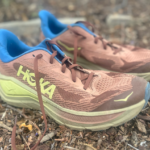
The Salomon Aero Glide 4 GRVL is a soft, smooth-riding and versatile daily trainer.
There’s been a lot of chatter about the rise of gravel running as a category recently, and Salomon is one of the brands delving into shoes made specifically for running on gravel roads.
Is it gravel running really a category? Do you need a gravel running shoe? Will we see a similar rise in gravel running and racing the way gravel cycling has taken off? Yes, for sure, it’s a category, and yes, you might benefit from a gravel shoe, but it remains to be seen whether we’ll see gravel races take off. (There are already some good ones, like the Hell on Gravel races in Kansas.)
However, it’s also not that complicated. Simply put: the new Salomon Aero Glide 4 GRVL shoe is a lightweight, smooth-riding maximally cushioned daily trainer that can be ideal for a wide range of paces on a wide range of terrain.
Here’s the thing: Hybrid and crossover trail running trail shoes aimed at running on mild trails have been around for years, but only recently has there been discussion about running on gravel roads. The idea of running gravel roads isn’t new, though. There are probably more miles of gravel roads in the U.S. than there are trails, but runners have typically worn road shoes when training on those surfaces. But if you’ve ever run on gravel roads—especially for up-tempo workouts—you know that your road shoes can feel slippery or slightly unstable.
The modern differences are two-fold: First, gravel roads offer softer surfaces for training without the hassles of traffic, and they’re finally starting to be looked at as a gateway to trail running (if that’s what you have access to, just go with it!), and, secondly, the rise of gravel-specific shoes is really a function of shoe manufactuers pairing advanced midsole materials from road shoes with low-profile outsole traction for the first time. Ultimately, the Salomon Aero Glide 4 GRVL is very similar to its Aero Glide 4 road running shoe except it has a slightly gripper outsole, and that makes it more reliable and stable on loose terrain but also more versatile.
RELATED: Find Your Next Trail Running or Ultra Race
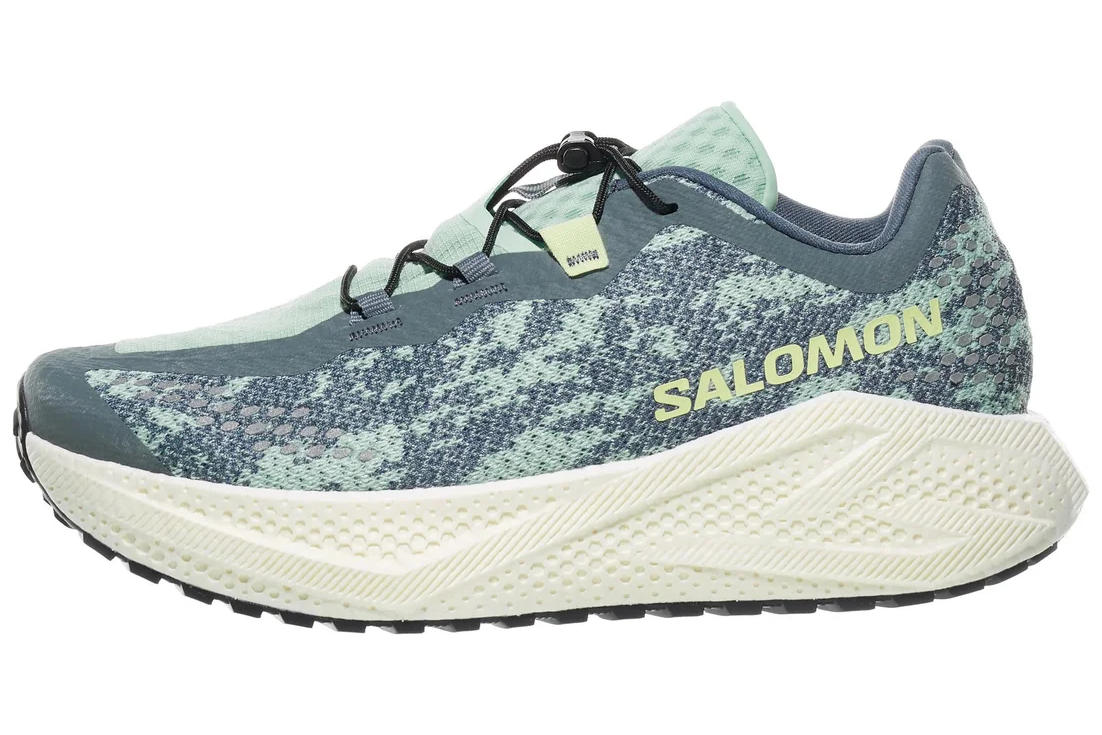
Salomon Aero Glide 4 GRVL Specs
Price: $160
Approximate Weights: 7.8 oz. (women’s size 8), 8.7 oz. (men’s size 9)
Heel-Toe Offset: 8mm; 42mm (heel), 34mm (forefoot)
Key Features: The Salomon Aero Glide 4 GRVL is built around a high-stack OptiFOAM² midsole—a supercritical TPU compound that balances softness, responsiveness, and durability for a bouncy and protective underfoot feel. Its hybrid design pairs a Gravel Contagrip outsole and low-profile lugs for dependable traction while still keeping the ride smooth on pavement. A lightweight upper with Quicklace and rocker-inspired geometry completes the package, offering a secure fit and seamless transitions across both road and gravel terrain.
Fit/Feel/Ride: The shoe fits true to size for most runners, but it has a slightly narrow profile, particularly through the midfoot with only a modest amount of wiggle room for your toes. The step-in feel is soft and comfortable with a gusseted tongue and Salomon’s one-pull lacing system cinching down evenly for a secure, locked-in feel. That adds to the shoe’s stability on light trails and gravel roads, even though the midsole is quite soft and unstructured.
The ride of the Salomon Aero Glide 4 GRVL is soft, smooth, and unexpectedly lively for a max-cushioned hybrid. Its thick Optifoam midsole delivers a plush yet moderately responsive feel, similar to an unplated road shoe, offering a cushioned and gently energetic sensation with each stride. There’s a noticeable bounce that keeps the ride engaging compared to many other max-cushion options. It’s an ideal shoe for those weekend long runs (at any pace) that might cover a range of surfaces, including pavement, light dirt trails, and gravel roads.
RELATED: How to Train for Trail Races Without Access to Trails
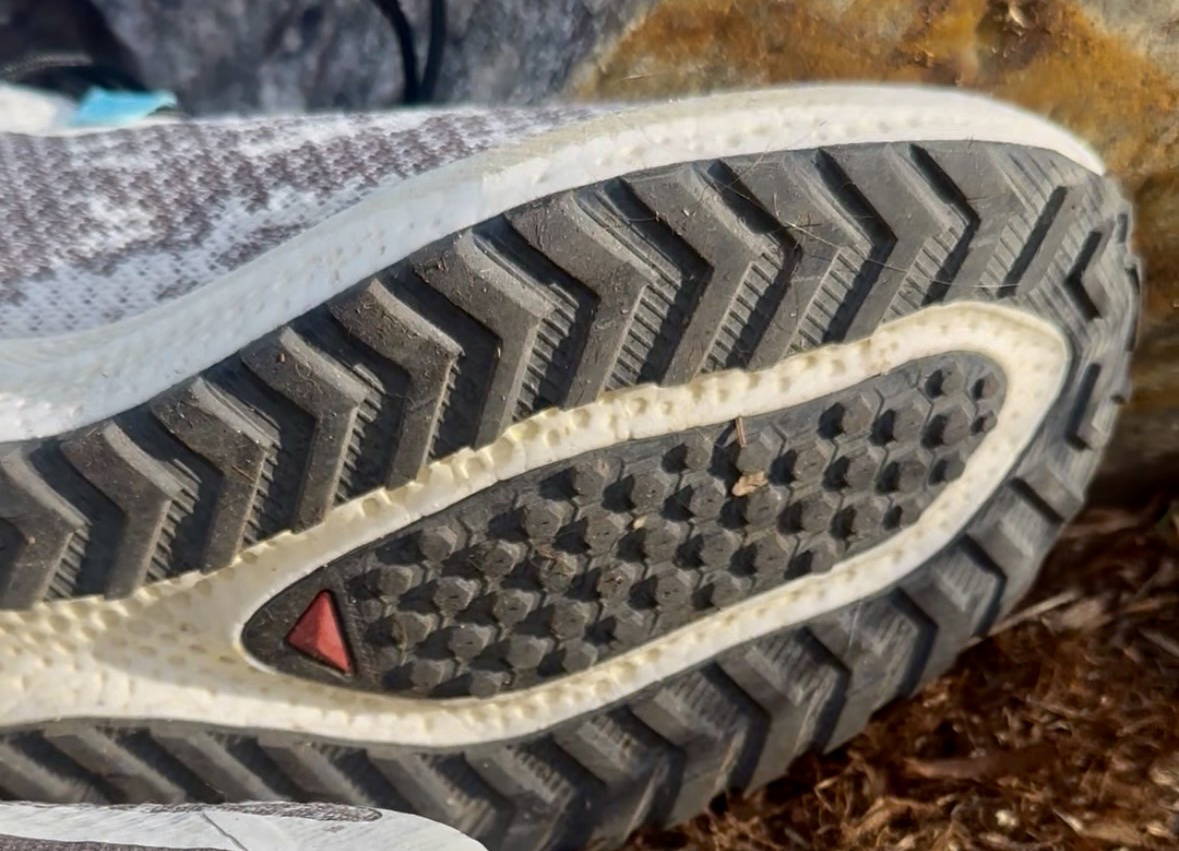
Why You’ll Probably Like This Shoe: If you’re looking for a daily trainer with a road shoe feel and slightly enhanced traction for running on gravel roads, the Salomon Aero Glide 4 GRVL could be right up your alley. It’s relatively light, plenty energetic, and its low-profile outsole provides sufficient traction on surfaces where your road shoes will otherwise feel sloppy.
Why You Might Not Like This Shoe: If you’re looking for a shoe capable of running more technical trails, you might not like the Salomon Aero Glide 4 GRVL. While it can run moderately technical trails OK, the soft midsole can wash out on angular rock, roots and trail debris and that can make it a bit dicey on off-camber footing. Runners who tend to overpronate or need extra medial support might find this too soft and unstructured.
Pros
- It can hold its own on most surfaces from paved roads and concrete bike paths to moderately technical trails.
- The ride is light, soft, bouncy and feels great at slower speeds and while running at high-cadence paces.
- The low-profile (2.5mm) outsole lugs are just enough for running gravel roads and milder trails.
- Plus, it fits great for runners with narrower feet and feels great for runners who appreciate softer midsoles.
- There is a growing trail running adjacent vibe and this shoe seems to fit that kind of crossover aesthetic that blends trail running and a casual lifestyle vibe.
Cons
- It’s not very stable on rocky, technical terrain and can be prone to rolling over on steep or excessively angular terrain.
- The midsole might be too soft for runners who need more support or structure.
- One drawback for some runners might be the snug, slightly narrow fit—particularly through the midfoot—which can feel restrictive for runners who prefer a roomier feel or have wider feet.
Check it out → Salomon Aero Glide 4 GRVL (Women’s/Men’s)
About the Author
UltraSignup Director of Media Brian Metzler was the founding editor of Trail Runner magazine, has written for Runner’s World, Outside, and Sports Illustrated, and is the author “Kicksology: The Hype, Science, Culture and Cool of Running Shoes” (2019) and “Trail Running Illustrated” (2021). He has raced just about every distance from 100 meters to 100 miles, but he’s most eager to share stories about his experiences pack burro racing in Colorado and riding trains to run trails in Chamonix, France.
- Trail Tested: Teva TrailPeak
- Trail Tested: Brooks Cascadia 20
- Trail Tested: Black Diamond x Norda 000
- Trail Tested: The North Face Offtrail Ultra

- Breathable Trail Shoes for Hot Weather Running
- Trail Tested: Mount to Coast M1