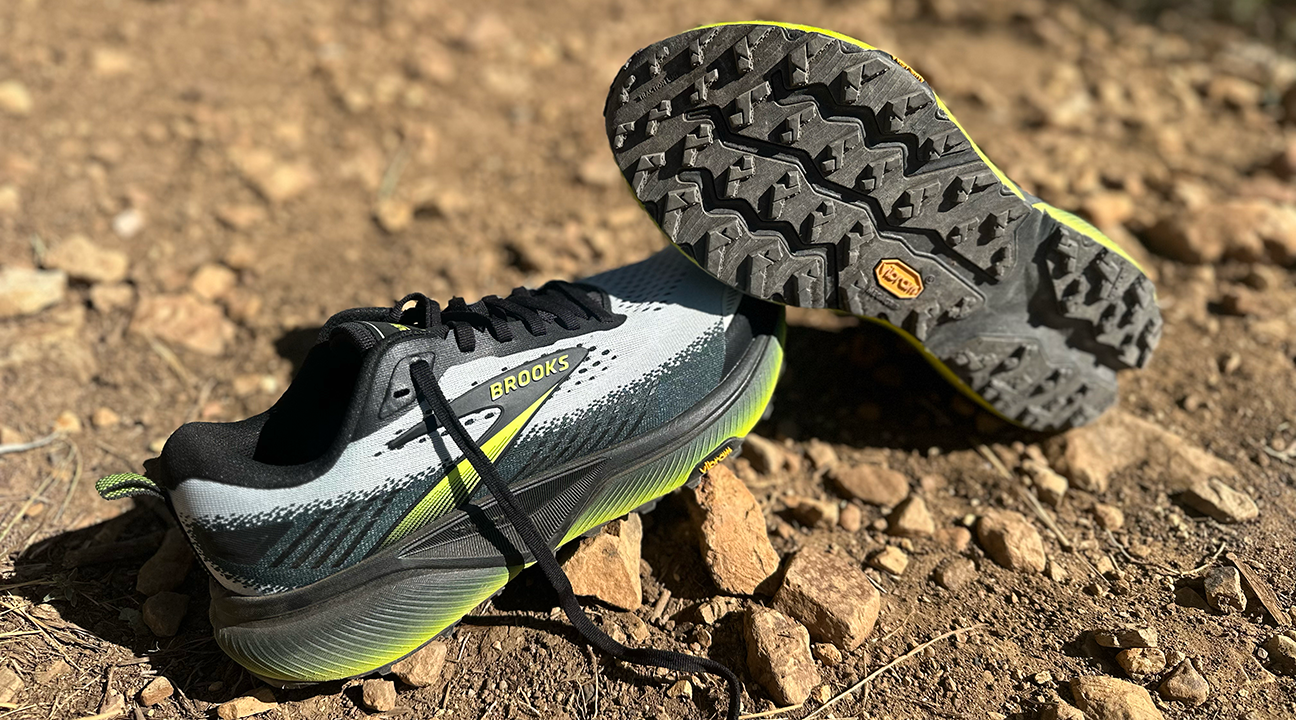
The Brooks Cascadia 20 is about stability, protection, and traction, as it has always been, only now it uses top-flight materials.
For years, Brooks was known as a dependable, if conservative, road-running brand — a company that took its time catching up to the rest of the industry rather than leading it. It ventured into trail running the same way and hovered there for years until the release of its Cascadia Elite super shoe in 2025.
That same investment in modern trail technology—better foams, real performance outsoles, race-tested plates—is now showing up in the brand’s more accessible trail shoes, and nowhere is that more apparent than in the Cascadia 20. While the Cascadia Elite chases podiums, the Brooks Cascadia 20 has quietly become one of the best trail training shoes Brooks has ever made, taking the stability-first identity the Cascadia built its name on and finally pairing it with the kind of materials that top-tier trail shoes have offered for years.
The Cascadia has always been about stability, protection, and trail-ready confidence over pure speed. The original version debuted in 2004, co-developed with Scott Jurek during the middle of his run of seven straight Western States 100 wins. It was groundbreaking for its era because it built a pivoting midsole post mechanism directly into the shoe to counter instability on uneven terrain.
Twenty models later, the materials have changed but the DNA hasn’t. The Cascadia 20 keeps that same stability-first mission, but wraps it in noticeably better midsole foam, a genuine performance-grade Vibram outsole, and a more durable, protective upper than we’ve seen on this shoe before.
I’ve run a lot of miles in the Cascadia 20 and the improvements are obvious, which has why it will remain in my quiver of trail shoes through the fall and winter. If you’re a runner seeking a stable shoe with good protection and traction, the Cascadia 20 is definitely worth a look.
Brooks Cascadia 20 Specs
Price: $159.95 (women / men)
Approximate Weights: 9.1 oz. (women’s size 8), 10.5 oz. (men’s size 9)
Heel-Toe Offset: 6mm 39mm (heel), 33mm (forefoot)
Outsole Lug Depth: 4mm
What’s New: The Brooks Cascadia 20 represents one of the more significant updates in the model’s long history. The midsole foam has been swapped for a new nitrogen-infused DNA Flash V2 compound, adding several millimeters of additional stack height while aiming to keep the ride lively rather than uninspired and stodgy. The outsole moves to Vibram Megagrip rubber for the first time, a meaningful upgrade in traction and durability over the Cascadia’s previous house-brand rubber compounds. The upper has also been reworked with a more structured mesh and reinforced overlays, aimed at holding up better (and keeping your feet more protected) across rocky, technical terrain over the long haul.
Fit/Feet/Ride: The Brooks Cascadia 20 fits true to size with a medium interior volume and a standard-sized toe box. The step-in feel offers road shoe comfort and sensibility, thanks in part to the thickly padded fully gusseted tongue providing a cozy, secure fit and structure with help from an integrated, semi-rigid heel counter.
The ride is a sufficient and perhaps basic, providing a sensation that’s not too soft, not too firm, and also not very dynamic, either. It’s not very agile, but it is very stable. So the net-net is that it’s a pretty good shoe for a wide variety of surfaces, but not ideal for faster paces or ultra-distance runs. I found it plenty adept and comfy for runs up to 2 hours long, but lacking the agility that’s required in just about any trail run I do in Boulder, Colorado.
Why It’s Great: The Cascadia has always earned its reputation as the dependable, do-everything trail shoe. It’s never been the fastest or most agile shoe on the market, but it’s one you can trust when the terrain gets unpredictable. What makes the 20th edition stand out is that Brooks finally modernized the shoe’s core materials without abandoning that identity. The added cushioning and updated foam give it a noticeably livelier ride than past versions, while the switch to a true performance rubber outsole closes a long-standing gap between the Cascadia and pricier technical trail shoes. Ultimately, these updates have made it more functional and practical across a wider variety of surfaces.
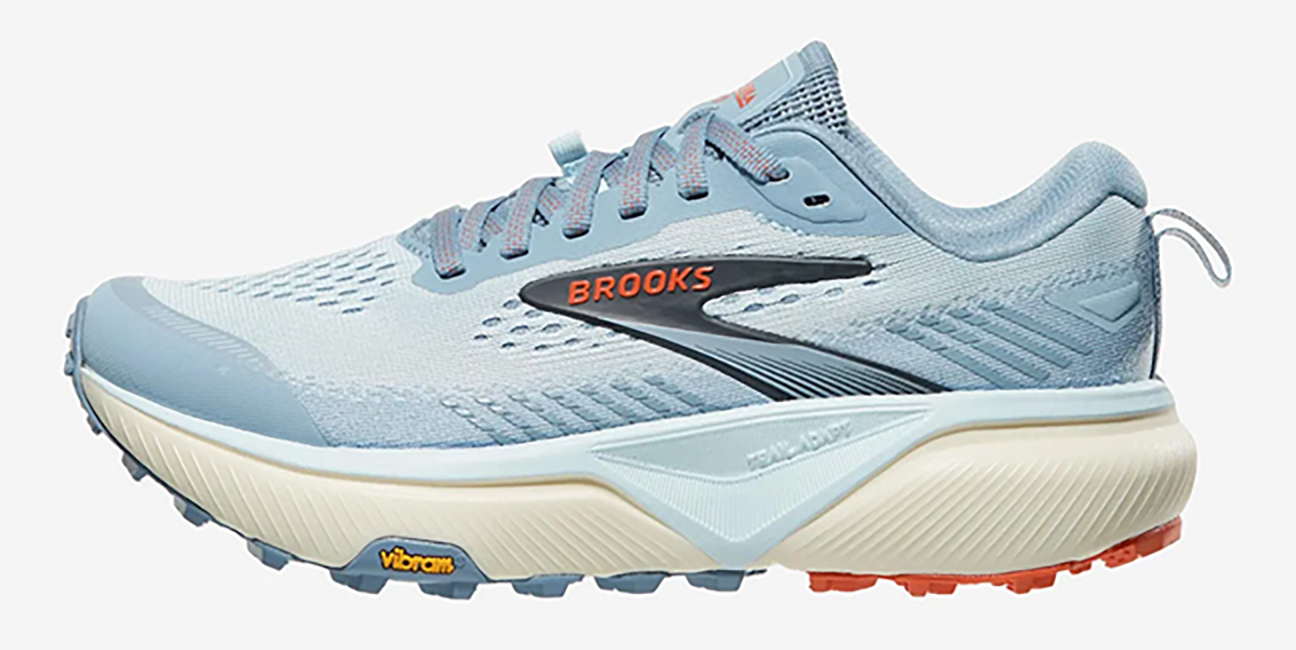
Why You’ll Love It: Long-time Cascadia wearers will recognize the shoe’s familiar personality—stable, secure, and confidence-inspiring on rocky or uneven surfaces — but will notice it finally feels a bit more lively and modern instead of just a run-of-the-mill trail plodder. Brooks ditched the pivot system in 2020, but its integrated Trail Adapt design ties the soft-but-stable midsole, flexible rock plate, and grippy outsole together into one system, delivering similarly stable results.
The new midsole foam, Vibram outsole, and wide-body design allow the shoe to handle everything from smooth fire roads to rougher singletrack, and the added stack height provides above-average cushioning with real protection on long days without tipping into an unstable, top-heavy sensation. (For what it’s worth, it’s also a strong crossover option for runners transitioning from hiking boots into trail running, thanks to its stable platform and confident traction.)
Why You Might Not Like It: It’s vastly improved, but it’s still not a light, fast, or agile shoe. If you’re chasing a nimble, low-to-the-ground feel for technical racing, the Brooks Cascadia 20 will feel bulkier than shoes built specifically for that purpose. It also sits on the heavier side for a modern trail shoe, and the added cushioning, although welcome, also means less direct feel for the trail than some earlier, lower-stack versions of the shoe.
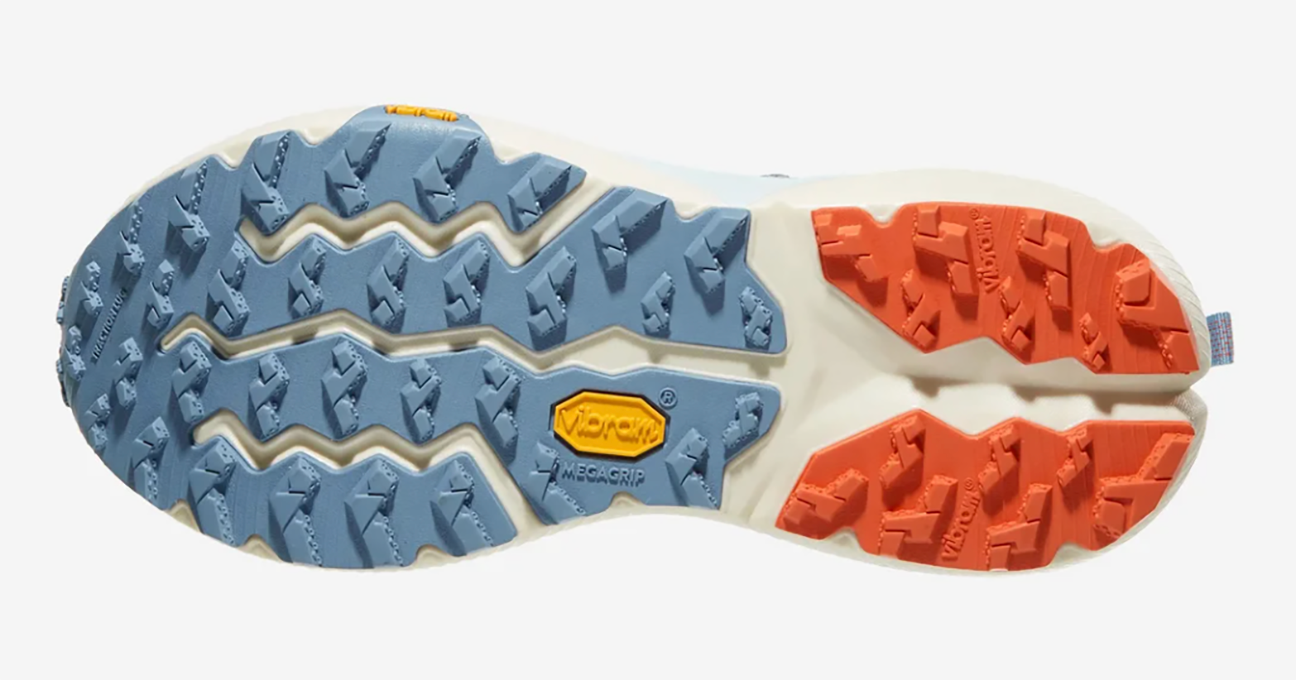
Pros: The new Vibram Megagrip outsole pushes the Brooks Cascadia 20 from a B to a A for grip. The 4mm directional lugs adhere well to big rocky slabs, but they also do a good job at providing traction and aiding in stability on loose gravel, soft dirt and mixed, uneven trail terrain. Plus, the more durable, reinforced upper built for long-term technical trail use.
Cons: At best, you can maintain a cruisy rhythm in this shoe on a wide variety of surfaces, but it’s not one that you’ll want to run at tempo pace on the trails. It’s just not light or nimble enough for that.
Check it out at Running Warehouse → Brooks Cascadia 20 (women / men)
More Running Shoe Content
RELATED: 12 Great Trail Running Shoes To Consider Adding To Your Quiver This Summer
RELATED: Dirty Dozen: 12 of the Best Trail Shoes for Running in the Mud
RELATED: Breathable Trail Shoes for Hot Weather Running
- Trail Tested: Brooks Cascadia 20
- Trail Tested: Black Diamond x Norda 000
- Trail Tested: The North Face Offtrail Ultra

- Breathable Trail Shoes for Hot Weather Running
- Trail Tested: Mount to Coast M1

- Trail Tested: Salomon S/Lab Genesis 2