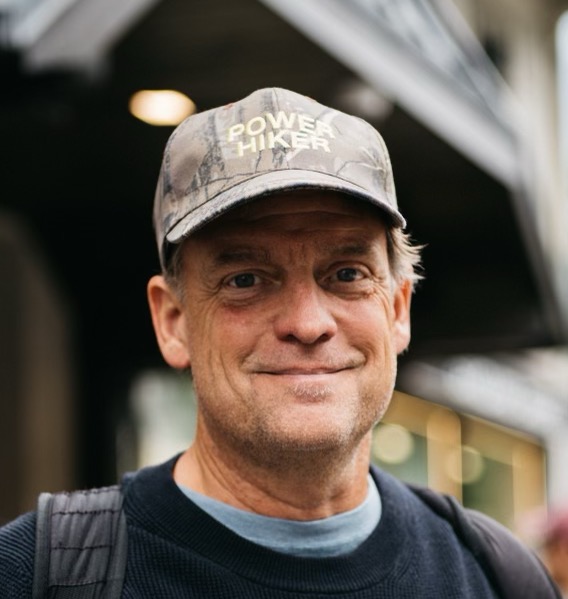
Jes Parker’s new startup buys, cleans and resells trail running gear and sells closeout stock at below-retail prices. Her goal is to keep gear out of landfills and make the sport cheaper to get into.
Many trail runners have a closet pile of gear they no longer use.
You know, the pack worn for a few races that was replaced by a newer, better-fitting model; the extra rain shell bought at the expo of a destination race because you somehow forgot to pack the one you typically wear; and, of course, the shoes you wore twice but just didn’t feel right on your feet after two hours on the trail.
Jes Parker wants that pile, and she’s eager to pay you for used shoes and gear that’s still in good shape.
Parker is the founder of Take 2 Trail, a Westport, Connecticut, business she started last year. The mission is twofold: to keep trail running shoes and gear out of landfills and to help make the sport more approachable by making it more affordable. The organization’s tagline is “leave less of a trace.”
Parker came to trail running through obstacle course racing, which reshaped her gear preferences. For example, she no longer needed a headlamp for scrambling over walls at night in obstacle races, so she switched to a waist lamp, which she strongly prefers for trail running. Ultimately, she was left with gear she no longer used and a familiar problem: selling it.
She had tried Facebook Marketplace, eBay and Poshmark. For her, selling used gear online came with scammers, items whose damage was never fully disclosed, and buyers who vanished after numerous messages. The payoff is often just $10, $20, or $30, and she says most people have a limited tolerance for that hassle. She built Take 2 Trail to solve the pain points of buying and selling used gear.
With the idea of expanding the recycled/upcycled marketplace for trail running, Parker built Take 2 Trail to buy gently used gear and shoes from runners and also to buy closeouts from manufacturers and other wholesalers.
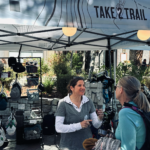
Runners can buy what they need directly from the frequently updated Take 2 Trail site or visit her booth at select race expos. So far this year, she has been to Broken Arrow, TrailCon, The Rut, Mammoth TrailFest and Rock the Ridge, a 50-mile race and relay at Mohonk Preserve in New York’s Hudson Valley.
Potential customers can click on “sell your gear” and follow prompts on what photos to take for each item type. Parker sends an offer within 36 hours along with a shipping label. She inspects what arrives and pays by Venmo or Zelle. (She also buys gear in person at races, including the recent Mammoth TrailFest, where she bought about 30 items.) Everything is sanitized, cleaned and repaired, if needed, before it’s listed.
Kyle Boykin, a trail runner from Atlanta, visited the Take 2 Trail expo booth at Mammoth TrailFest on September 26 after running the Dragon’s Back Ascent and 50K. He presented Parker with a handful of items that he and his wife were ready to get rid of. She looked at the gear, presented him with an offer, and completed the transaction on the spot.
“I think that my wife heard about it on a podcast,” Boykin said. “She didn’t come out for this race, but she had some running shorts and tights and things that didn’t quite work for her. And I had some trail shoes that were a little unstable for me. It’s a cool concept. There are some Facebook groups that trade cycling gear, but I’ve never heard about anything like it for trail running gear.”
How Take 2 Trail Acquires Gear
Early on, Parker emailed every trail runner she knew asking what was sitting unused in their closets. While sourcing inventory, she discovered the business-to-business liquidation market and began asking why so much new gear was sitting idle. The answers were store returns, past models and shelf pulls. She saw a chance to cut out middlemen, which she says is also better for the environment because products aren’t shipped “in 48 different directions.”
She has since built direct relationships with brands. They sell her past-model stock, which lets them avoid training customers to wait for 80-percent-off sales. A brand might mark an item down 60 percent, sell it to her, and she resells it for less than current retail.
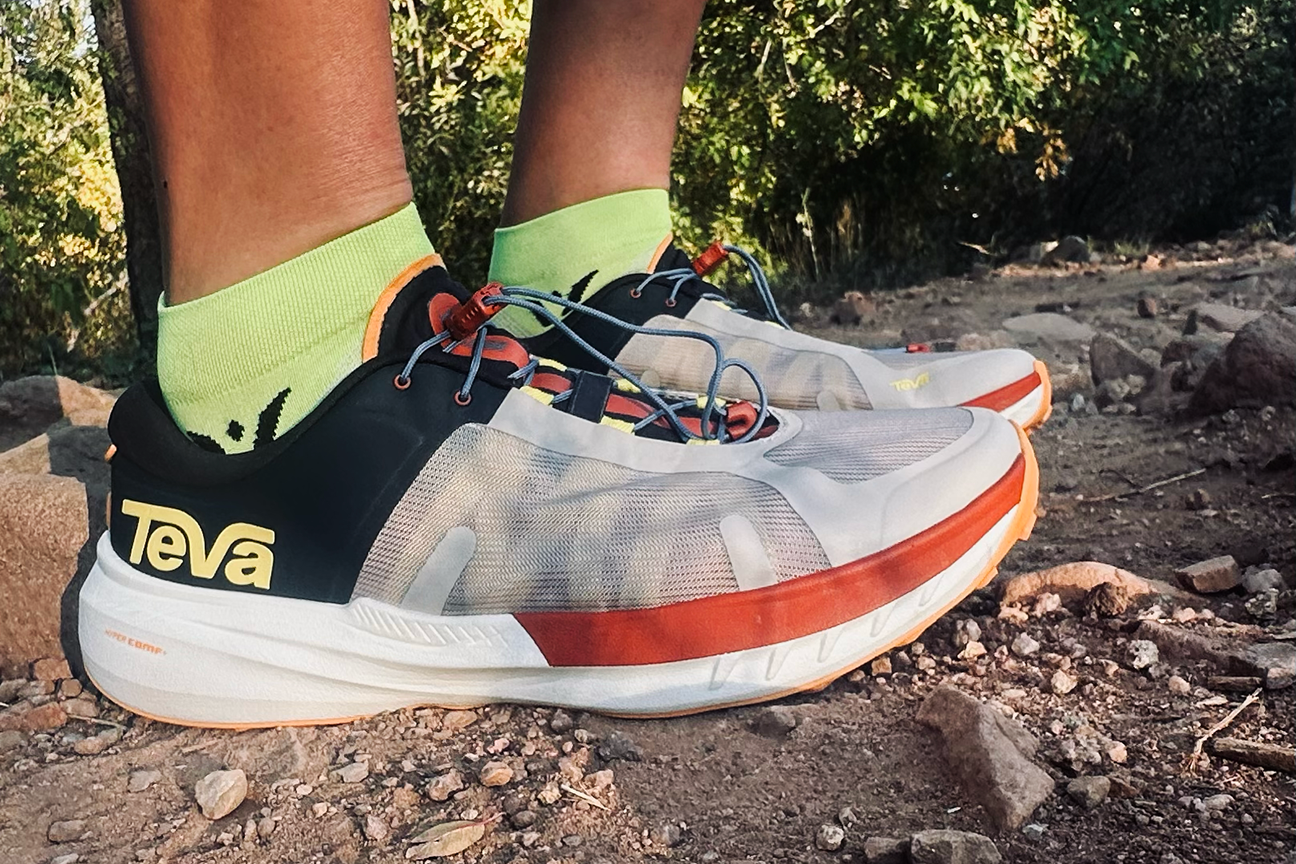
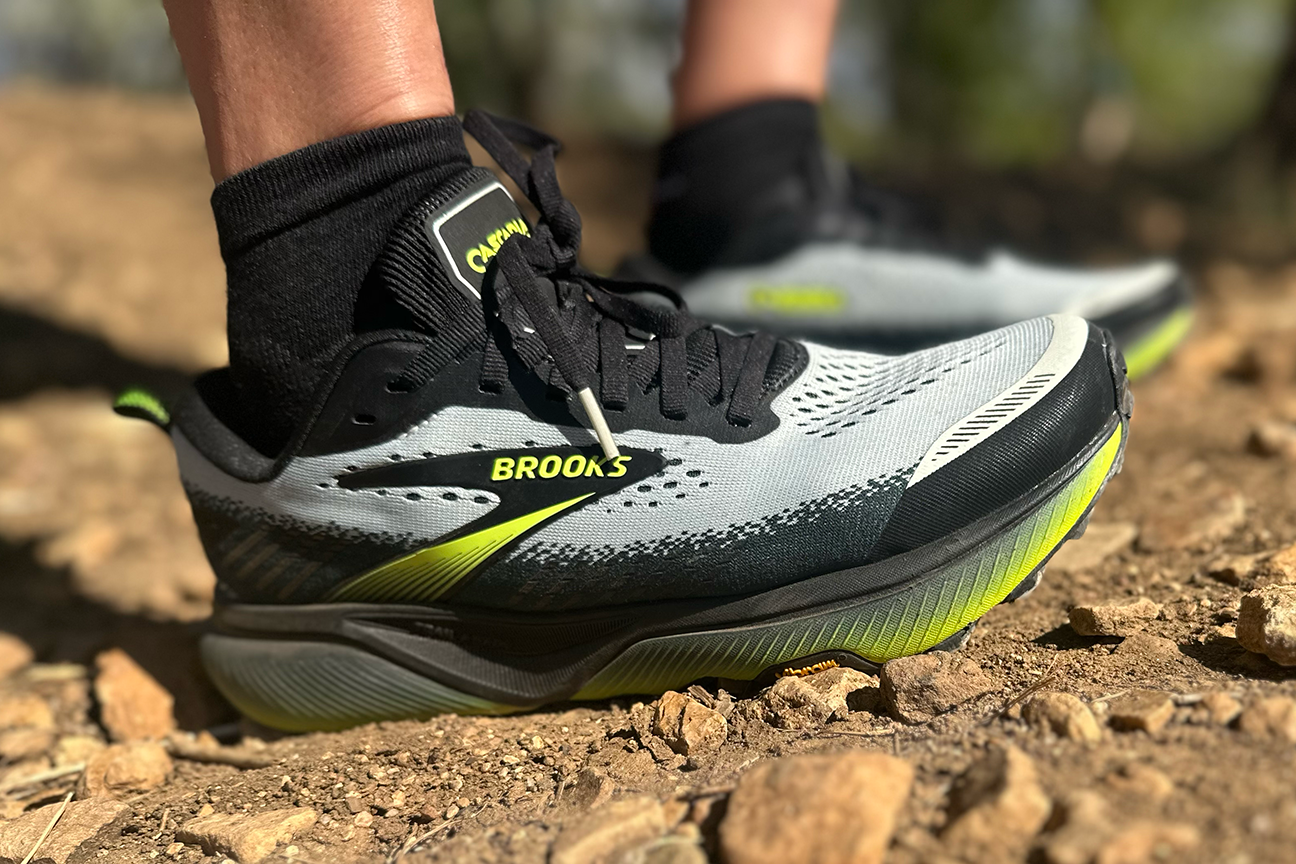
Parker describes Take 2 Trail as a mix of a TJ Maxx-style model and a thrift store, but specific to trail running. Her pricing target is typically 20 to 60 percent below retail, and sometimes as much as 75 percent for certain items. Shoes, which typically cost $140 to $200 at retail, are the clearest example. Her inventory includes models from Mount to Coast, Altra and Norda, and she said buying slightly used models is a good way for runners to experiment.
Parker also points to a story that grew out of a liquidation purchase. A man who had bought an allotment of wholesale sporting goods to support youth sports in his community told her in June that he couldn’t sell the stock of running gear he had acquired because he didn’t know the running market. Parker bought what he had, which included a large stock of Nathan trail running vests and packs.
Afterward, he emailed her to say the money from the transaction let him throw a pool party with an ice cream truck for local kids. It also freed up funds to buy goods he could sell profitably, which lets him keep supporting the organization he and his brother founded and believe strongly in because they grew up unable to afford youth sports. Parker called the email one of the most heartwarming and unintended outcomes of the business.
Why Used Gear Matters
Trail gear is mostly synthetic and made to be durable, which can give it a long shelf life. While we all know that certain pieces of gear become outdated, a lot of it doesn’t wear out.
“The things that make them so good for sport are the exact same things that make them so terrible for the environment,” Parker said. Her view is that the more a piece of gear gets used, the lower its overall impact.
Parker’s unique background as an Ivy League-educated event planner in the hospitality industry eventually led her to create zero-waste events, including her own daughter’s bat mitzvah.
Some of those previous experiences now influence what she carries in her inventory. She wants to partner with brands, like Fractel, that are focused on material science and environmentally responsible production, but she said Amazon-brand products will never be in her shop. She’d like customers to spend a bit more up front on quality gear, knowing there’s a resale option if it doesn’t work out.
Parker’s goal for her first year was to get to as many big U.S. races in the West as possible during the summer months, because she said the trail running community there is far larger than in the Northeast. By the time she’d attended four or five Northeast races, she said, she kept seeing the same people, who had already sold her their gear.
Before the year ends, she will take Take 2 Trail to the Witching Hours on November 14–15 in Manorville, New York, and several races put on by Steep Endurance and the CT Trailmixers.
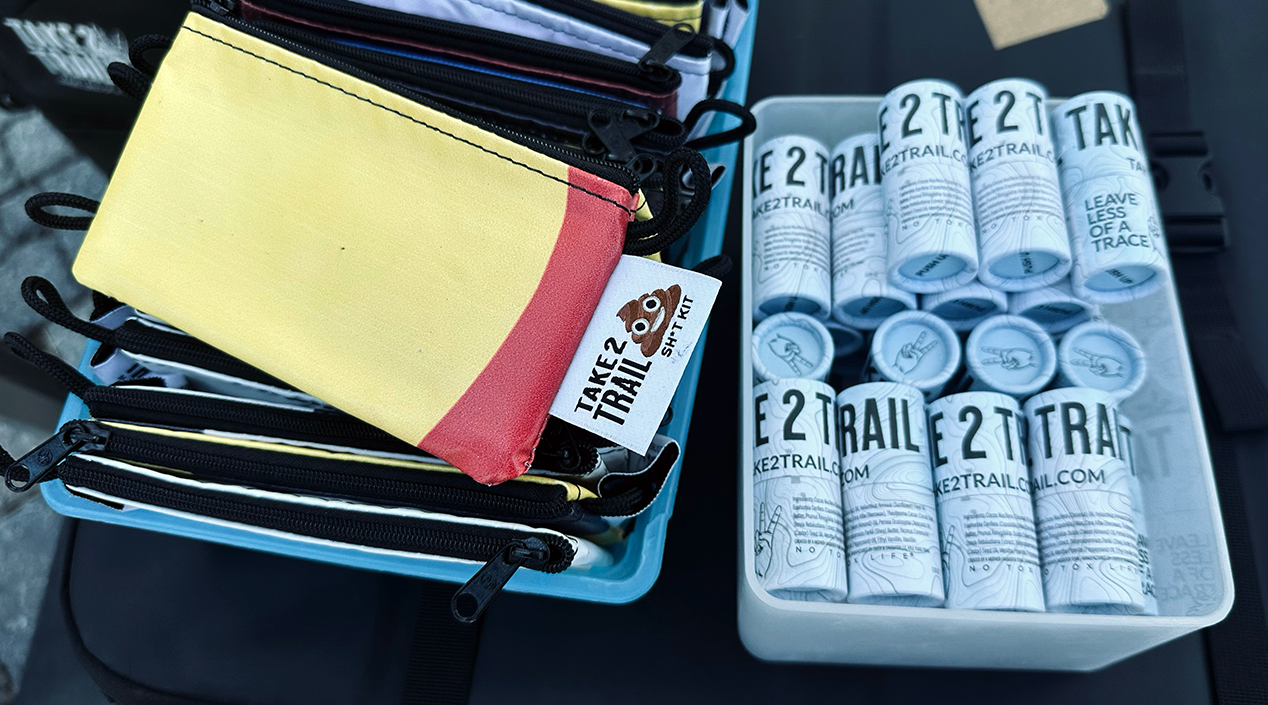
Races also give her a way to meet runners face-to-face and hand out free compostable tube lip balm and what are known as “shit kits” — Take 2 Trail’s small zippered pouches made from upcycled and recycled shopping bags and banners. Inside the kits are compostable bags for packing out your business when nature calls on the trail. A hiker may have time to dig a cathole and bury their poop in the wild, she notes, but most trail runners don’t. At least that way they can clean up responsibly, Parker reasons.
Parker thinks a Take 2 Trail storefront could come to life in a few towns and also hopes to expand the Take 2 business model beyond trail running into mountain biking, hiking, camping, backpacking and skiing.
“It’s all of these sports where the gear is all synthetic,” Parker said. “It’s all going to be on this planet for a very, very long time. And this way, the more you use these things, the lower their overall impact. And it’s going to be functional for years on end if you take even kind of decent care of it.”
PODCAST: Why Do Trail Runners Dress Like This Now?
RELATED: Breathable Trail Shoes for Hot Weather Running
RELATED: Your Questions about Trail Shoes are Answered
- Take 2 Trail Gives Used Trail Gear a Second Life
- The art of accepting abject failure and moving on
- The Race is Over, Now What? Your Nutrition Guide to Recovering from Ultra-Distance Trail Races

- Introducing The Claims Department Podcast

- Hit Me Where It Hurts: How Ultrarunners Manage Pain
- How Andrea Moore Became a Prolific 200-Miler