Tara Warren sat among roughly 28 women at the 2024 Trail Sisters Hardrock 100-Mile pre-race panel in Silverton, Colorado. Each woman carried stories of survival and loss, motherhood, divorce and reinvention. And each had done something many runners feel impossible: make it to the start line of a 100-mile race. And not just any 100. The Hardrock 100, one of the most grueling mountain ultras in the world.
As the microphone was passed from panelist to panelist, Warren found herself too frozen to speak. And not because she didn’t have anything to say, because, more than anything, she wanted to hear from the other women.
“Every single woman there had an incredible story,” says Warren, 51, an experienced ultrarunner and coach from Ogden, Utah, who has finished some of the most difficult 100-mile races in the country and who, arguably, has an incredible story herself: she only started running ultras after having kids. And she is still chasing PRs in her 50s.
The Mystery of 100 Miles
While more women are toeing the line at trail running events every year, they remain far less represented as race distances get longer.
According to UltraSignup’s data from 2024, women represent just under 40 percent of race entries, but when it comes to ultramarathon distances specifically, that number drops to around 23 percent. When you look at races over 50 miles? It drops again … to 16 percent.
Why? There isn’t one clear answer, but Warren points to something she calls the “illusion of time.” And that’s this belief that women feel they simply don’t have enough time to train for it.
“Women tend to take on more family planning and responsibilities,” she says. “I don’t want to stereotype how things can be, but women tend to take on more of the mental load of life whether they have kids or not.”
Perhaps 100 miles feels elusive, a unicorn of a distance reserved only for the elite runners or those with enormous amounts of time on their hands to train every week. Still, Warren argues that training for a 100-miler is, in fact, not all that different from a 50.
So the problem then becomes a logistical one precariously intersecting with a confidence one: life’s logistics may make it seem like a 100-mile race is out of reach while confidence, support and maybe even representation at the start line (or in media) hold women back.
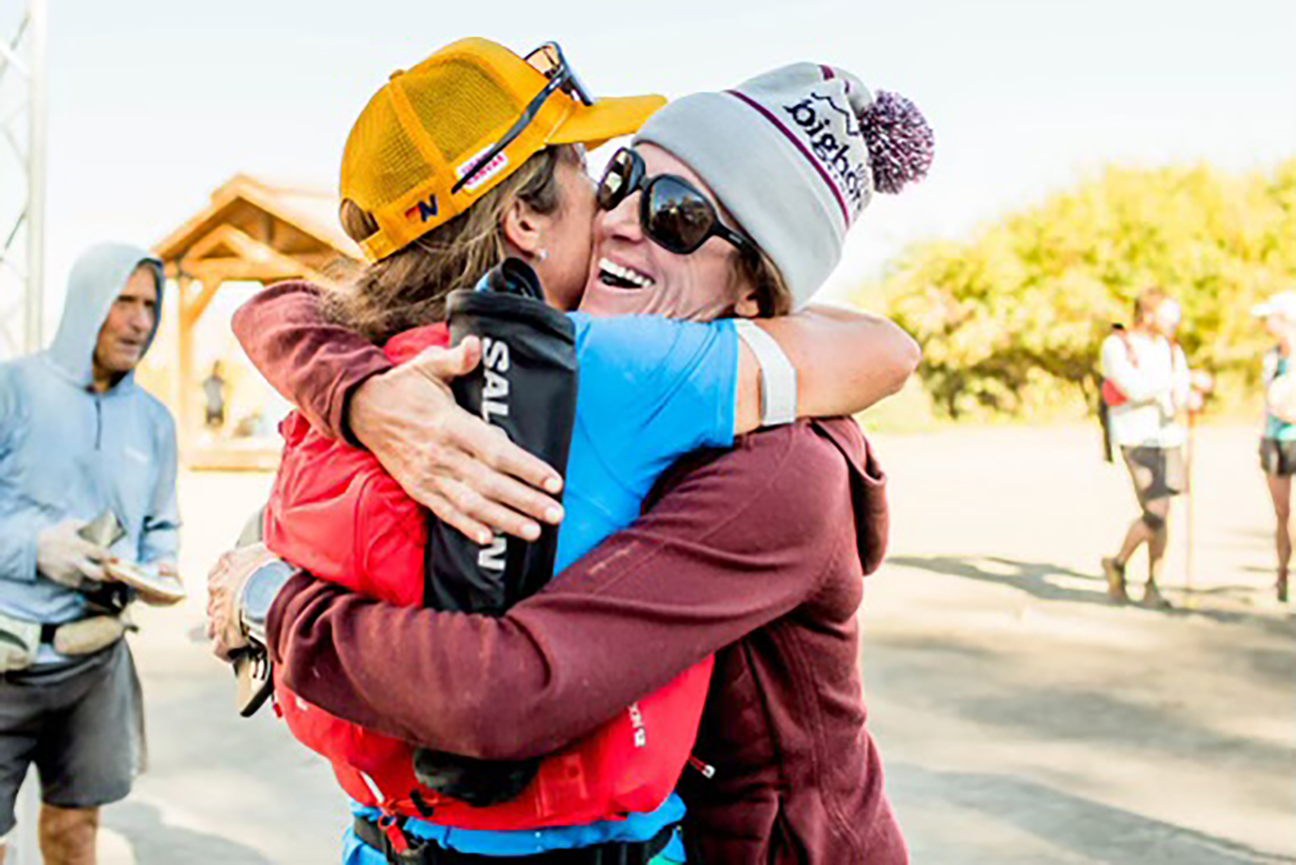
“Though social responsibilities are shifting, women have traditionally been the primary care taker for their families. This role can impact how much time a woman has for training, as well as what time of day (or night) she can train,” says Gina Lucrezi, founder of Trail Sisters. “Furthermore, I absolutely believe that confidence plays a role in getting a woman to the starting line. If someone lacks the time needed to train for a 100-mile race, concern about finishing the race is likely, which erodes self-belief and confidence.”
She adds that representation matters. A lot.
“One of our Trail Sisters Approved standards is to encourage and promote women’s representation at events,” she says. “Seeing women at the start line, crossing the finish line and navigating a challenging course celebrates what women are capable of and firmly reminds us that women belong on the trails like everyone else.”
Warren isn’t implying that running a 100 is simple or easy. But, like Lucrezi, she is saying it’s doable. And that more women are capable of the distance than they realize.
“I want women to know this sport can be for everybody,” Warren says. “And all distances in this sport can be for everybody, including the 100.”
She knows … because she did it
Warren didn’t grow up running and she certainly didn’t trail run as an adult. In fact, very far from it.
“I only ran on the treadmill,” she says. “And I really thought that if I ran on the trails I would get chased or eaten.”
But, when her treadmill started smoking one day, she decided to opt for the nearby trails instead of potentially burning down her house. She never looked back.
That was in 2014. Now, nearly 12 years later, she’s chasing PRs at almost 52 and running some of the most difficult 100-milers in the world.
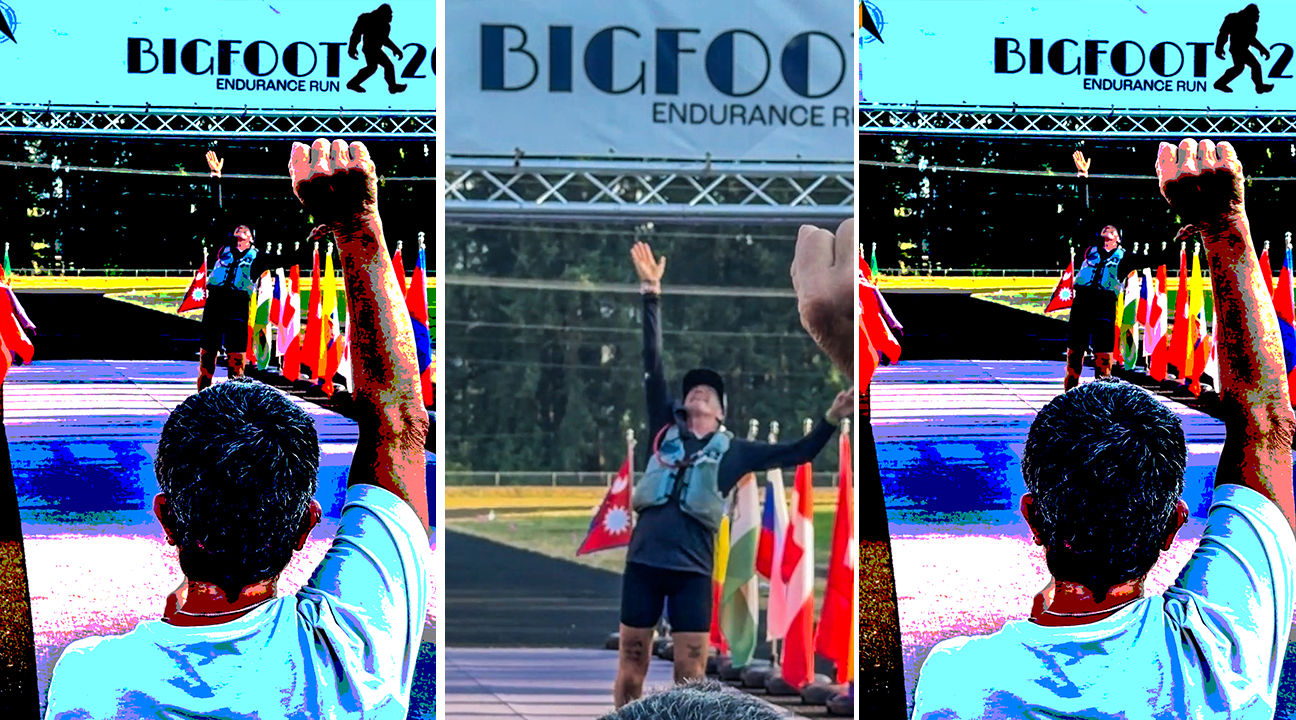
She’s a seven-time finisher of the Bear 100 in Logan, Utah—a race with 23,000 feet of vertical gain and loss—and plans to give it another go at this year’s race in September. In 2024, she completed the Rocky Mountain Slam by running the Hardrock 100, Wasatch 100, Bighorn 100, and Bear 100 over a three-and-a-half month span.
“I learned I didn’t have to be the fastest out there, but I did have to have the courage to keep going,” she says.
Now she’s helping other women do the same.
“My goal is to teach people how to coach themselves and trust their bodies and not overtrain,” she says. “Most people run too fast and too much. And that’s just not sustainable if you want to run as you age; it’s too hard on your body.”
Why 100?
“The 100-mile distance rewards problem-solving, patience and persistence as much as speed,” Warren says, adding that you have more time to clean up mistakes in the race (like when it comes to fueling or pacing for example), and move forward. It’s not just a distance thing, it’s a problem solving project.
“I learned that I didn’t have to be the fastest runner out there to do really well,” Warren says. “I just had to have the courage to keep going and keep fighting for a longer amount of time.”
Key 100-mile racing skills like patience, steady pacing, flexibility and on-the-go problem solving are things women already practice in daily life, especially if they’re balancing work, training, caregiving and other responsibilities.
Ultrarunning data backs this up. Research on ultramarathon pacing suggest steadier pacing and fewer major slowdowns are tied to stronger performances. Some research also suggests women tend to pace more evenly than men in endurance events.
So, if more women are capable of running 100 miles, how do we get them to the start line?
That’s Warren’s question exactly.
The question that became 10 to 100
It started before the Hardrock women’s panel. That moment simply gave her more proof that the idea mattered.
Warren has run the High Lonesome 100 in Colorado, a race known for its gender-equity registration model (the race reserves equal spots for both women and men).
“At any start line, you can see in people’s eyes what it took to get to that point,” Warren says. “There’s a camaraderie there. Every single person put in as much, if not more, than you did. The silent stories they’re carrying around … the ghosts of their training … are all looming. Having that female influence there made it more personal. It wasn’t just the training that glued us together, but the life stories, too.”
She came away convinced that more women needed a pathway to the start of 100-mile races.
Eventually that idea became 10 to 100, a new program in which 10 women will be coached and encouraged to their first 100-mile run. In Warren’s words, it is “a commitment-driven partnership built around support, visibility, growth and the belief that all women can ultra. But just as importantly, their journeys will be shared. Because representation matters.”
Each of the 10 participants will receive six months of personalized coaching from Warren that leads up to her chosen race, sports nutrition support from Skratch Labs dietitians, hydration and fueling product, a Suunto watch and heart rate monitor, an Ultimate Direction hydration pack, Injinji socks, Squirrels Nut butter Lube and additional gear and support as partnerships are finalized. But perhaps the best part? The program reimburses each athlete’s race entry on the UltraSignup registration platform after she finishes her first 100-miler. And, it gives everyone something important: a community of women all chasing the same, intimidating 100-mile goal.
Warren expected maybe 20 or 30 women to raise their hands with interest. Instead, nearly 600 women applied. She spent a full week reading every application. And what she uncovered was less hesitation and more hunger to try: women from all over the world were essentially saying the same thing: “I want to do this, tell me more.”
Now, Warren wants the program to be more about those 10 women, not her. She wants their stories, their training and their finish lines to become proof for the next woman wondering if 100 miles could be hers, too.
“What feels more important to me right now is that this approach is something other women can step into too. Through the 10 to 100 project I’m seeing it in real time,” Warren says. “When women are supported with the right training, guidance and belief, they’re capable of so much more than they think.”
And, she adds that when she sees herself improving as she ages, it’s just further proof of what this program is all about: staying consistent and having the right support around you can help you achieve big dreams.
One of the 10 women chosen was Lauren Teuschler, a 41-year-old mother of two from Cincinnati, who said she was sitting in the car line about to pick up her boys from school when she saw Warren’s post that announced the program. She just started trail running last year and progressed all the way up to running 50 miles at the Tunnel Hill 50 last November.
“I feverishly completed the application, recorded a one shot selfie video, hit submit before I could overthink it, and watched as hundreds of incredible women showed up,” Teuschler posted on Instagram after learning she had been chosen for the program. “I highly doubted I had a shot but glad I put myself out there. I am still wrapping my head around it. So grateful, excited, and yes, still a bit scared, to take on this adventure alongside some truly amazing women. If there’s something calling you—I hope go for it. Whether it is one step towards it or a full leap. Bet on yourself. You never know what might happen.”
2026 10 to 100 Participants
1. Lauren Teuschler, 41, Cincinnati, Ohio, Yeti 100 — @rentish23
2. Lori Miles, 43, Salt Lake City, Utah, Wasatch 100 — @lorimiles2443
3. Chelsea Harris, 30, Decatur, Georgia, FSR 100 — @_chelsea_runs
4. Iris Martinez, 34, Fontana, California: Kodiak Ultra Marathon 100 — @iriz_09
5. Mercedes Reifsnider, 34, Newport, Michigan, Wolverine State 100 — @mercedes.reif
6. Sarah Black, 42, Calais, Vermont, Javelina Jundred — @veggie.runner.girl
7. Esther Hackleman, 37, Houston, Texas, Cactus Rose 100 — @Esther_endures
8. Amiee Trepanie, 36, Greenville, South Carolina, Yeti 100 — @aimee433443
9. Emma Sill, 35, Eagle Lake, Minnesota, Superior 100 — @mrs_sill10
10. Charlcie Norris, 38, Charleston, Tennessee, No Business 100 — @Charlcie_norris
About the Author
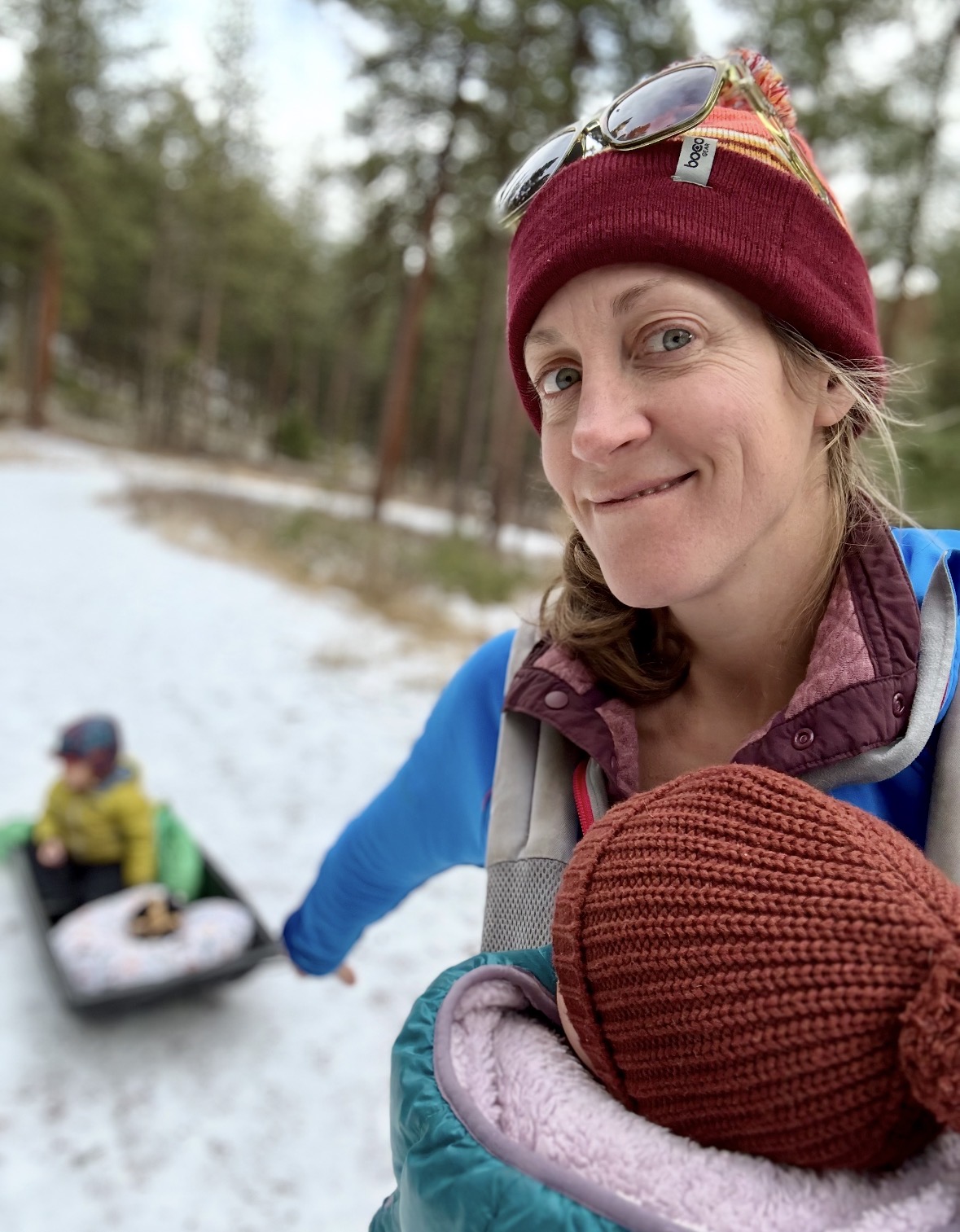
Contributing writer Ashley Arnold is an ultrarunner and the former director of brand at Fleet Feet who lives in Missoula, Montana, with her husband and two young children. Aside from writing about running and motherhood and how to train for trail races, she tells stories through video, words and photos, and is most at home running trails, adventuring in wild places with her family and sipping coffee while eating cake.
- 10 to 100: A Program To Guide More Women into 100-Milers
- Fueling for Ultras Can Be Complicated: Here’s How I Finally Made it Work for Me
- How to Train for Trail Races Without Access to Trails
- Running Through Motherhood: 10 Tips for Managing Trail Running as a Mom
- Life is an Ultra: Amanda Basham has Learned How to Juggle a Busy Life
- How to Transition from Running Marathons to Trail Races
RELATED: After Running 100 milers in every state, Rich Tenaglia is Inspired to Run for a Good Cause
RELATED: Back of the Pack Runners are the Backbone of Ultrarunning
RELATED: Grounded, Calm and Consistent, Lauren Jones Has Found Success on Hospital Floors and Mountain Trails