
Photo: Tahoe Rim Trail Endurance Runs 2022

You’re running 100 freaking miles so you’re not new to the sport of ultrarunning. But still, tackling a run distance with three numbers is a big leap, and the training requirement takes a lot of time. After all that work to just make it to the starting line, wouldn’t it be nice to see the finish, too?
That’s why we sat down with a few of our favorite ultrarunners and coaches to coerce them into proffering up a few of their juiciest words of wisdom. We like to think that everyone learns at least one life lesson during a 100 miler, so hopefully their sage advice gives you a head start for success.
Ditch the Chair
It doesn’t matter if it’s mile 38 or mile 76; those wondrous aid stations appear like mirages designed to support you—and trip you up. Stumbling into a small village in the middle of the woods packed full of delicious snacks, happy faces, and supportive friends is enough to make you want to lay down on the forest floor forever. But, here’s a tip from Suunto and Altra Running athlete Ryan Montgomery: Don’t do that. Giving into the luxurious nature of aid stations just slows you down and causes problems later.
“Many DNFs come from not getting to an aid station in time before a cut-off,” Montgomery explains. “If you’re worried about that, focus on optimizing your time….Focus on getting in and out quickly.” He recommends rolling through the aid station by avoiding the chairs and continuously walking through. That way, you’re less likely to sit down and stay awhile.
UESCA certified ultrarunning coach Brian Passenti agrees, noting that experienced runners can even set PRs by being mindful of their aid station time. “I once paced a guy who loves to linger and get to know the aid station workers,” Passenti says. “I gave him five minutes at every station. I didn’t actually hold him to it, but it was a verbal reminder that the clock was ticking. At the finish, he was excited to see he was well within the cutoffs and actually PR’ed!”

Have a Backup For Your Backup
Look, we get it. You spent a lot of time dialing in a nutrition plan while training, so you may be feeling pretty good about your caloric consumption. But if ultras teach us anything, it’s this: We know nothing. Race day conditions vary, the human body evolves, and our moods shift like the changing winds. All that means there is a great chance you’ll get halfway through your race, look at your fuel, and feel like puking on the trail.
“Around mile 60, you’re going to get sick of Plan A,” says UESCA certified ultrarunning coach Heather Hart. “And around mile 80, you’re going to be absolutely sick of Plan B. But, you absolutely have to keep eating even if you’re feeling nauseous.”
Hart recommends creating a fueling plan, along with a backup strategy. Then, create a backup for your backup. Having multiple options and varying fuel sources that you know and like is a great way to ensure you’ll continually eat on your way to 100.
Mind Your Feet
We just recommended you roll through aid stations, but that doesn’t mean you should ignore the necessities, like your feet. That pair of sturdy appendages is doing a lot for you, so it’s important to care for them if you expect them to perform. If you feel a hot spot, deal with it immediately. If your socks get wet, swap them for a dry pair at your first opportunity. During a race, it’s easy for runners to get sucked into the “later” mentality: It’s not that bad. I can handle it later. According to Mark Atkinson, an ultrarunner and author based in England, you should just do it now.
“If you can avoid blisters and trench foot, you will finish,” Atkinson says. “No amount of fancy equipment will help you if your feet resemble punched lasagna.”
Let’s save that pasta for dinner, okay?
Embrace the Suck
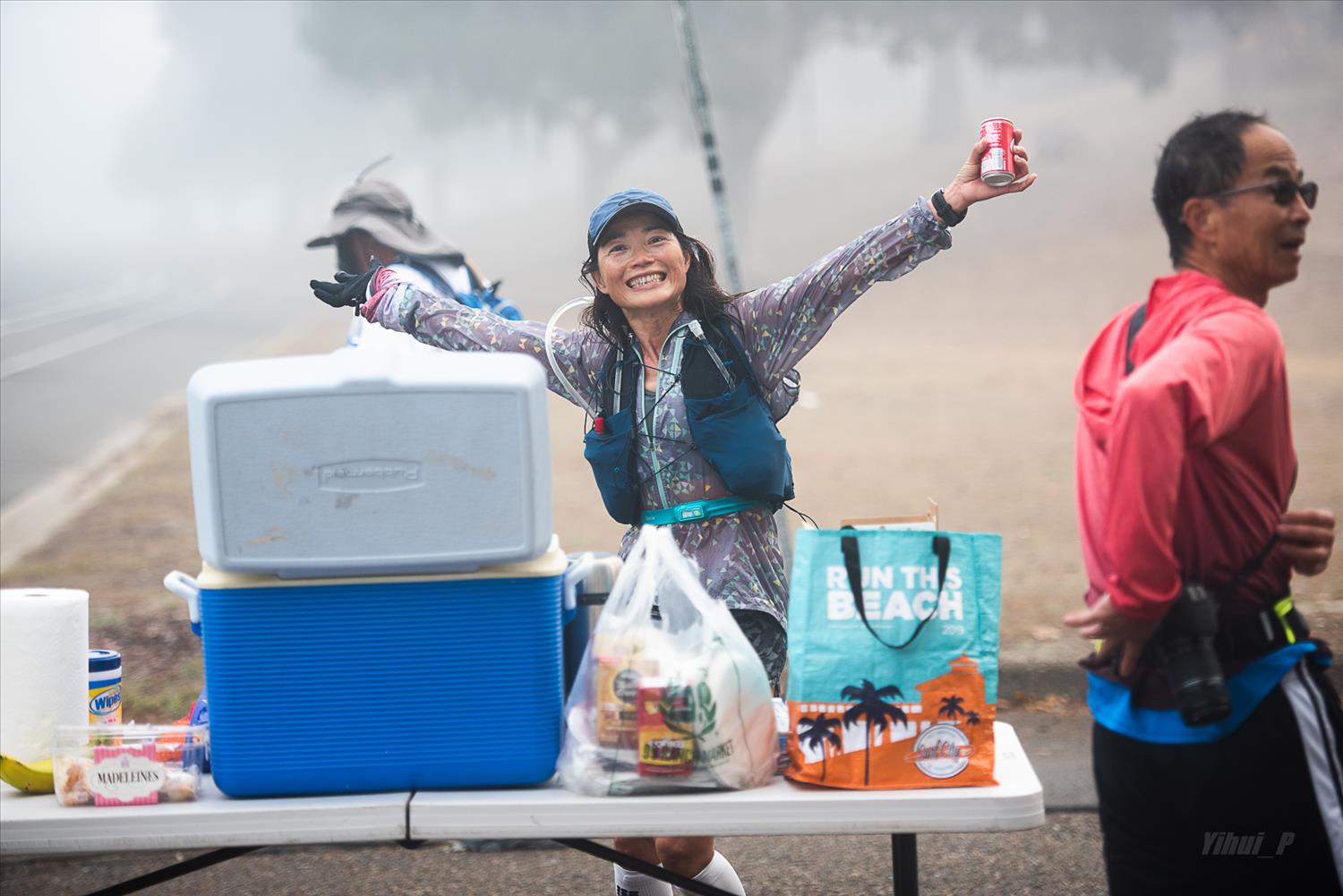
You’ve heard it before but we’ll say it again: Running 100 miles is going to hurt, regardless of whether you’re a first timer or Karl Meltzer. In fact, accepting that most of us aren’t Karl Meltzer may be for the better.
“One of the hardest things in my first few 100 miler attempts was that I went into it with a kind of “beast mode” mentality,” says Hart. “I thought I was this badass strong chick that was going to push through anything. It didn’t even cross my mind that there were going to be moments that weren’t just physically hard, but emotionally tough. And when they happened, they felt unexpected and I didn’t know how to get out of those lows.”
Every ultrarunner ever refers to races as a constantly undulating wave of emotions. “Ultras are a rollercoaster where you cope with issues and cross the line covered in bodily fluids and mud,” Atkinson says. “If everything is going wrong, it will pass. Sadly, if everything is going right, it will also pass.” That’s why he recommends finding your reason for being there; find your why.
You didn’t sign up for a 100-mile slog through the wilderness because you didn’t have anything better to do that weekend. You had a different reason, and harnessing that prior to the race can help your mental fortitude. During those lonely moments on the trail, remember your why and transform it into your mantra that powers you forward. Maybe you’re hoping for a PR; maybe you’re going for the win; or maybe you’re doing this for your family waiting at the finish line. Whatever your why is, stick it in your brain and pull it out when times get tough. We’ll see you at the finish.
Interested in personalized coaching?
Learn more about coaching with a free consultation with CTS. Use the code ULTRASIGNUP and get $200 toward personalized coaching from an experienced ultramarathon coach.
Read More
What to Expect For Your First Ultra
Training & Treadmills With David Roche
RELATED: Running a 100K: Prepping for the Big Dance
RELATED: The Ultimate Guide to Running 100K
RELATED: Your Quick Guide to Tapering: Frequently Asked Questions

5 comments
Jason Moore
“Beware the Chair” works fine until your running past 100 miles. Then you better “Embrace the Station” and go get yourself a massage or two!
whatsupdreamers
I like the idea of avoiding the chairs, that’s a good one.
K Hershey
You seem to confusing “coax” and “coerce”. Coaxing is gentle persuasion. Coercion is violence or the threat of violence.
Coaxing is the carrot and coercion is the stick.