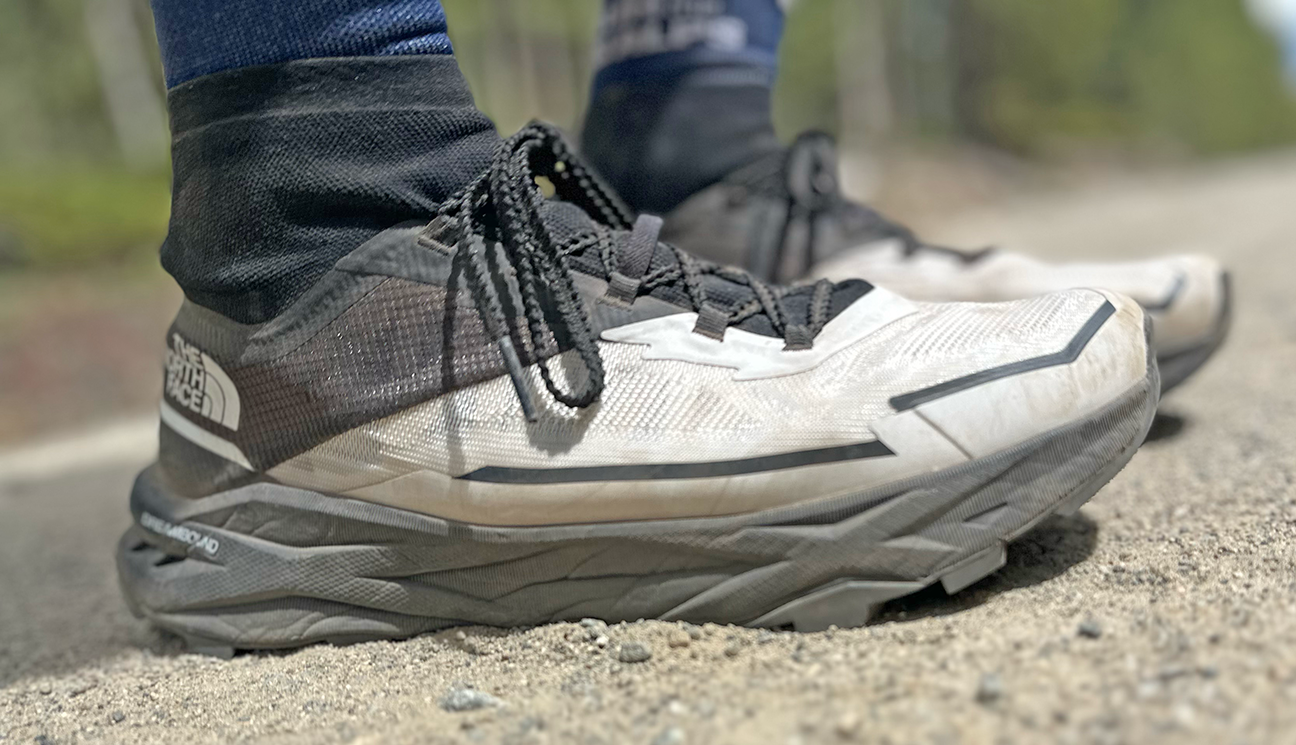
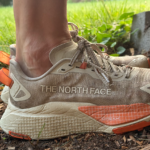
The North Face Offtrail Ultra is built for tackling technical trails but also offers surprising versatility.
I have enjoyed running in a lot of maximally stacked trail running shoes, but only for flowy dirt trails and gravel roads that allow for a consistent gait. I often find that extra midsole cushion becomes limiting to the point of being detrimental and unstable on technical trails. It depends on the shoe, but high-off-the-ground trail running shoes tend to mute the proprioceptive feel for the ground, which is a key factor in being able to run with precision and agility on rocky, craggy, and uneven terrain—especially when a route requires picking your way across sections of loose gravel, large boulders, or slippery scree fields.
Enter The North Face Offtrail Ultra, a lightweight, lower-to-the-ground shoe with an athletic vibe that lets you move nimbly over mixed technical terrain without the shoe ever feeling like it’s working against you. It’s a shoe that combines reliable traction, a protective upper, and a flexible and flowy ride, a mix that also allows it to be versatile enough to run with a consistent gait on smooth dirt trails.
Although it’s designed for wild, technical terrain, the Offtrail Ultra can be a do-everything trail shoe, in part because The North Face didn’t overbuild it. There’s no carbon plate, no towering stack, no exaggerated rocker—just a close-to-the-ground platform that keeps your foot in contact with what’s actually beneath it. In a category where stack heights keep climbing and every flagship shoe wants to be a road racer in disguise, the Offtrail Ultra runs the other direction on purpose.
This is The North Face stepping off the max-stack, stiff-plate arms race that’s swallowed most of the trail category over the past few years. Unlike many current high-performance trail running shoes—including Hoka’s latest Tecton X 4, Brooks Cascadia Elite, and Nike ACG Ultrafly—the Offtrail Ultra skips the propulsion plate, the exaggerated rocker, and the exceptionally high-stacked midsole.
The North Face Offtrail Ultra Specs
Price: $190 (women / men)
Approximate Weights: 8.0 oz. (women’s size 8), 9.3 oz. (men’s size 9)
Heel-to-Toe Offset: 6mm; 29mm (heel), 23mm (forefoot)
Lug Depth: 5mm
What’s New: The Offtrail Ultra leans on a dual-density Dreambound nitrogen-infused superfoam, formed with a firmer outer layer wrapped around a softer inner core—a moldable-in-one-piece build rather than glued layers, which keeps weight down while still giving the foam some structural backbone against sharp rock. Pair that with an updated Surface Ctrl outsole carrying 5mm directional traction lugs and a climbing-shoe-inspired scrambling zone under the tip of the forefoot for grip on steep, technical pitches, and you’ve got a shoe that’s clearly designed for situations in which the terrain, not the pace, dictates the effort.
Fit/Feel/Ride: The Offtrail Ultra fits true to size with a medium interior and a spacious forefoot. As I pulled on the shoe by grabbing the elastic heel collar, the first things I noticed were the secure fit around the ankle and also how little mass there is between you and the ground. The ankle collar is part of a bootie construction that includes a padded heel collar, a moderately reinforced heel counter, and a soft, padded tongue that’s integrated into the upper. (I have narrow feet and had to cinch down the laces tight to get the right fit, but once I got to that point it felt like the shoes became an extension of my feet.)
The 29mm/23mm stack heights immediately serve up exceptional feel for the ground rather than a sensation of being exceptionally cushioned and plush. On the run, that translates to proprioceptive control: you know exactly what you’re standing on, which matters when what you’re standing on is a dirt trail covered in jagged rocks and roots, a loose slab of granite, or a steep pitch of slippery scree.
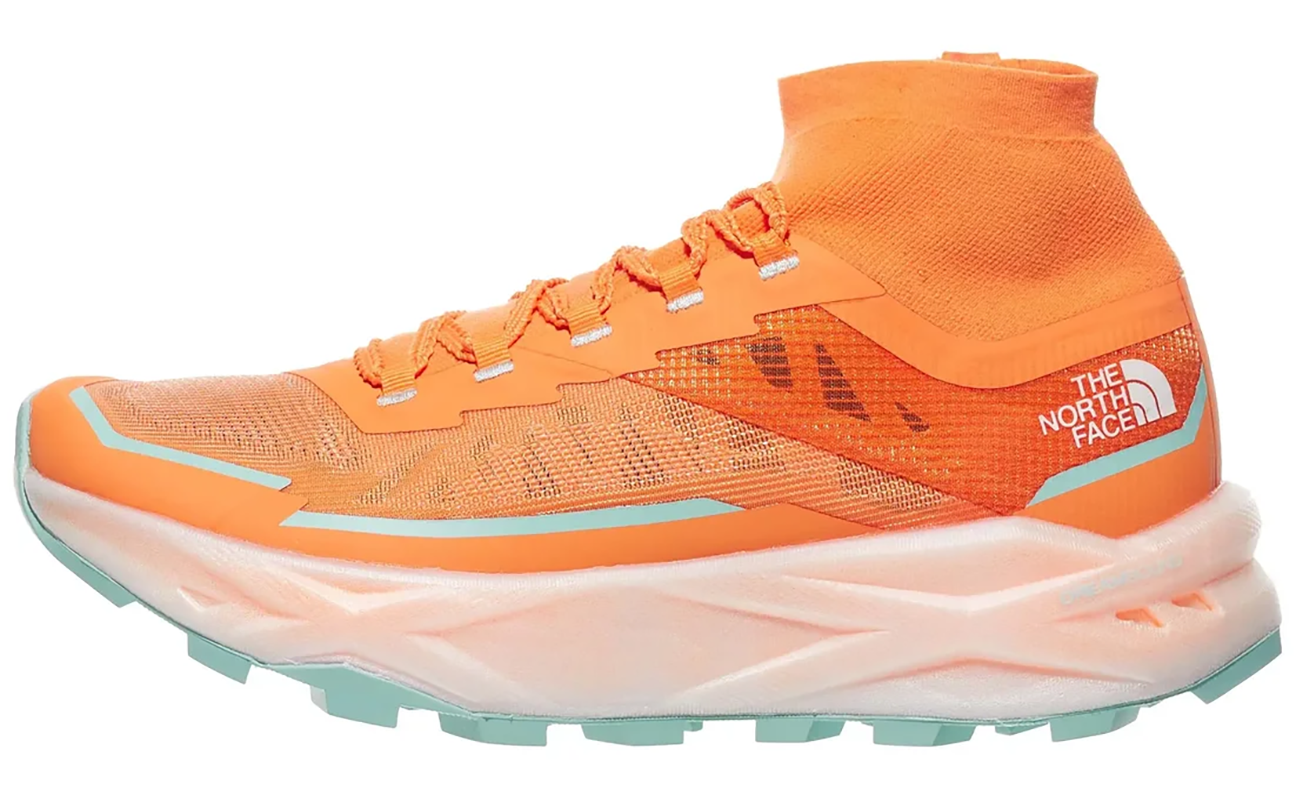
Why It’s Great: This is a shoe for runners who spend more time picking a line than settling into a rhythm or bulldozing over technical terrain. This shoe was made for surviving on and off the trail in wild, backcountry settings. It can be a shoe for a fast, flowy singletrack tempo effort, but it’s built more for scrambly ridge runs, technical vert days, and off-trail exploration where ground feel and agility matter more than plush protection and propulsion.
The midsole’s firmer outer shell and the outsole’s grip allow for precise edging and cornering on uneven terrain. You can run through a rocky creek bed or across a boulder field without wobbling every other step. It has a very stable platform on technical terrain, which says a lot for a shoe with no plate and relatively low stack.
Why You’ll Love It: Although this shoe excels on technical mountain terrain, it’s actually quite versatile, and that’s possible, in part, because it’s so light and agile. While most mountain shoes with aggressive outsoles often approach 11.0 ounces (for a men’s size 9), the Offtrail Ultra is considerably lighter. If trail shoes were measured by a traction-to-weight ratio, this one would rank among the best—but it never feels underbuilt on rocky terrain. Plus, the lack of a plate, an extreme rocker, and a towering midsole is core to the shoe’s versatility—it climbs, descends, scrambles, and corners with equal ease rather than being optimized for one gear.
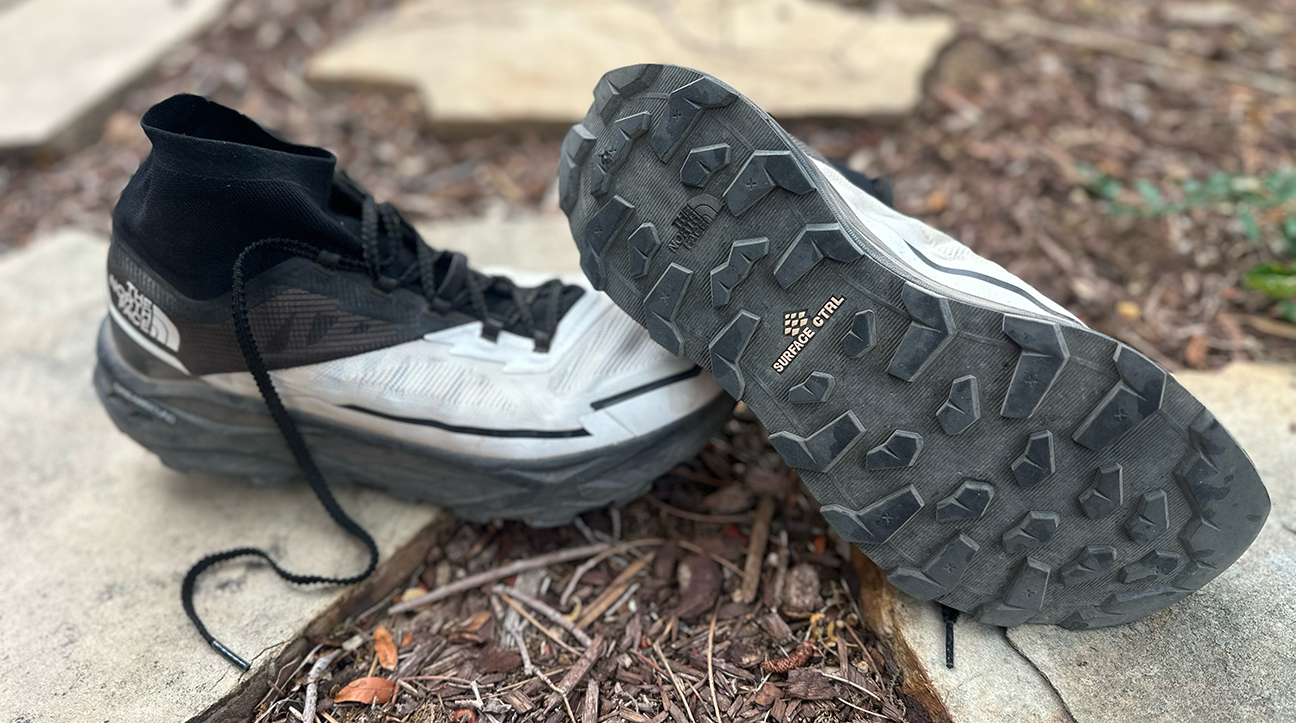
Why You Might Not Like It: The tradeoff with not having a plate embedded in the midsole, at least potentially, is that you give up some protection and propulsion for a softer, smoother ride with better feel for the ground. The only small concern is that there were moments when I felt the trail a bit too much—occasionally I felt blunt rocks through the bottom of the shoe, and felt the upper only offered modestr protection against sidewall abrasions. That’s not a dealbreaker, and neither is the lack of extra propulsion; it just means that a shoe that’s this light and lean demands precision.
Pro: The traction and foothold punch well above the shoe’s weight class—you get real confidence on loose rock and scree without paying for it in ounces.
Con: Plan on lacing it up snug—runners with narrower feet, or anyone doing genuinely technical footwork, will want to cinch down rather than leave it loose.
RELATED: 12 Great Trail Running Shoes To Consider Adding To Your Quiver This Summer
RELATED: Dirty Dozen: 12 of the Best Trail Shoes for Running in the Mud
- Trail Tested: Teva TrailPeak
- Trail Tested: Brooks Cascadia 20
- Trail Tested: Black Diamond x Norda 000
- Trail Tested: The North Face Offtrail Ultra

- Breathable Trail Shoes for Hot Weather Running
- Trail Tested: Mount to Coast M1
- Trail Tested: Salomon S/Lab Genesis 2
- Trail Tested: The North Face Altamesa 500 V2
- Your Questions about Trail Shoes are Answered