
We answer all of your questions about trail shoes from our recent UltraSignup Live webinar.
During our UltraSignup Live webinar on July 13 that covered Everything You Need to Know About Trail Running Shoes, we talked about a lot—everything from rocker shapes, new midsole foams, outsoles and lungs, racing vs. training shoes, whether or not to wear waterproof shoes … and more.
The panel was moderated by Brian Metzler, UltraSignup’s resident running shoe geek, and also included Becky Winicki and Loucas Kovold, who are both trail runners and trail running shoe experts with RunningWarehouse.com.
Didn’t get a chance to tune in? No problem. The full session is up on our YouTube channel.
But, discussions about trail running shoes can be confusing and sometimes contentious, and you had more questions about trail shoes than we had time to answer during the session. But we don’t want to leave anyone hanging. And, as it usually goes, if one person has questions, more people have them, too. So, we’re glad you asked.
Plus, this is our way to keep the conversation going. Below are more of the trail running shoes questions that came through ahead of the Livecast (including those we answered), so you have more information to choose your next pair of trail running shoes with confidence.
And, finally, before we dive in, if you still have a question, message us here on Instagram between now and the end of July. We’ll review them all and get answers to you on Instagram and here on the Trailhead Media site
Fit and Comfort
How should you determine the proper fit of a trail running shoe?
That’s a good question, and there are a lot of answers that should be considered when figuring out what shoes fit your feet optimally. Getting the right trail shoe fit really matters more than road shoes—technical terrain punishes bad fit fast (black toenails, stubbed toes, blisters, ankle rolls).
Here are a few things to focus on:
1. Toe box room
On downhills your foot slides forward, so you want a thumb’s-width (about 1/2 inch) of space between your longest toe and the front of the shoe. Too tight and you’ll get bruised or black toenails on long descents; too loose and your foot slides around, causing blisters.
2. Width, not just length
Trail shoes come in different width lasts (some brands run narrow, others wide — Altra and Topo tend to run roomier in the toe box, while Salomon and La Sportiva often run narrower). Your foot shouldn’t feel pinched at the widest part (the ball of the foot), but it also shouldn’t slop side to side.
3. Heel lock
The heel should sit snugly with minimal lift (no more than a few millimeters) when you walk or jog. Heel slip is one of the top causes of blisters on technical trails. Test this by lacing up and doing a few quick heel raises or short jogs on an incline in-store.
4. Midfoot/lockdown
Trail shoes often have a stronger lacing or gusseted tongue system to lock the midfoot down so your foot doesn’t shift on uneven ground. You want it snug but not so tight it causes numbness or hot spots.
5. Volume (foot-to-shoe fit above the sole)
This is about how much space there is above your foot — some people have higher-volume feet (thicker, higher arches) and need shoes with more room in that dimension, not just length/width.
6. Sizing relative to your road shoe size
Many runners size up a half size from their road running shoe for trail shoes, specifically because of the toe box room needed for descents and swelling on long runs. This isn’t universal, so it’s a starting point, not a rule.
7. Sock thickness during fitting
Always try shoes on with the socks you’ll actually run in — thicker trail socks or those with more cushioning change the fit significantly.
8. Time of day and post-run swelling
Feet swell over the course of a run and slightly larger later in the day. Try shoes on in the afternoon/evening, and if possible after a run, not first thing in the morning.
9. Terrain-specific fit needs
If you’re running technical, rocky terrain, you’ll want a snugger, more locked-down fit with a rock plate for protection. For runnable, less technical trails, you might prioritize a bit more cushion and a slightly roomier fit for comfort over long distances.
10. Actually test them on an incline/decline
If the store has any kind of ramp, ledge, or slight incline, walk on it. This surfaces toe box and heel lock issues that flat-ground store walking won’t reveal.
What are some of the good ways to prevent your feet from sliding in the shoe on a steep downhill?
There are a couple of ways that come to mind. The first is making sure you are wearing a pair of socks that allows you to dial-in your fit without over-tightening the laces. That comes down to personal preference, but sometimes socks that are too thick or too thin can make that difficult, and the same goes for socks that don’t snugly wrap your feet.
Secondly, there are numerous ways to lace and tie your shoes that allow for a more performance-oriented fit, including a process called the runner’s loop which ensures better lock-down in the heel.
Also, there are some after-market insoles that provide an anti-slip surface, including Blumaka.
If you’re running more than five hours, should you size up your shoes? If so, should it be a half size or full size?
During our Livecast, Becky recommends that you could go up a full size to account for the room needed as your feet swell during longer events. That said, the exact size up is somewhat personal and worth testing prior to race day.
If you’re doing a long ultra in hot conditions, it would be a wise move to consider having a secondary pair of shoes that is a half of full size larger. That might seem like an expensive investment, but it could be the difference between finishing and not finishing, based on the comfort and condition of your feet.
I was told you need a “fingernail” of space in the front of a shoe, but I end up with black toenails. Is it wrong to have shoes that are snug with little space at the end?
Having a thumb’s width of extra room in the forefoot of your trail running shoes can be helpful, but so can a running shoe with a slightly more spacious toe box. Also, getting the right fit in a trail running shoe is especially helpful, as poorly fitting shoes can often cause your feet to slip and slide on different trail surfaces.
Do my legs get sore from switching from street shoes to trail shoes?
Trail running requires different muscles, and uneven terrain changes your stride, engages stabilizing muscles and puts more work into your calves, ankles and feet. Layer in variations in heel-to-toe drop, shoe flexibility, stack height or ground feel. The bottom line? Transition gradually, especially if moving into lower-drop, firmer or more technical shoes.
Why do they always discontinue my favorite models before I can buy more pairs?
Gosh, we hear you. This can be tough. The primary reason is that running shoes are a seasonal commodity in a competitive marketplace and if they remain the same without new colors or features, the data shows that sales will drop. The technology and materials that go into running shoes are always changing, so brands want to make sure their shoes are on the leading edge of what’s available to runners.
Brands update shoes on product cycles and even the most popular and loved models get updated materials, tied into new trends that might influence the fit and feel. Sometimes shoes get minor updates, but sometimes brands will try to enhance performance and comfort with new tweaks or completely overhaul a shoe that it deemed wasn’t working as well as possible for most runners.
If you find a shoe you really love, and you already know you have a hard time finding shoes you like the fit of, consider buying a second or third pair before the next version launches. But, know you’re only delaying the inevitable; the shoe will update eventually. Such is the life of a trail runner.
What is better—zero drop shoes or shoes with some drop?
Neither option is universally better. It really depends on your body and what you’re used to. Zero drop has a place for runners who prefer a level platform, as Becky shared in the UltraSignup Live session, but many runners still land in the 4- to 8-mm range, and that’s where most trail running shoes have. If you’re unsure what’s right for you, it’s best to get fitted for shoes at a local running store and also try out a few different drop options.
Is there any downside to having a carbon plate in trail shoes?
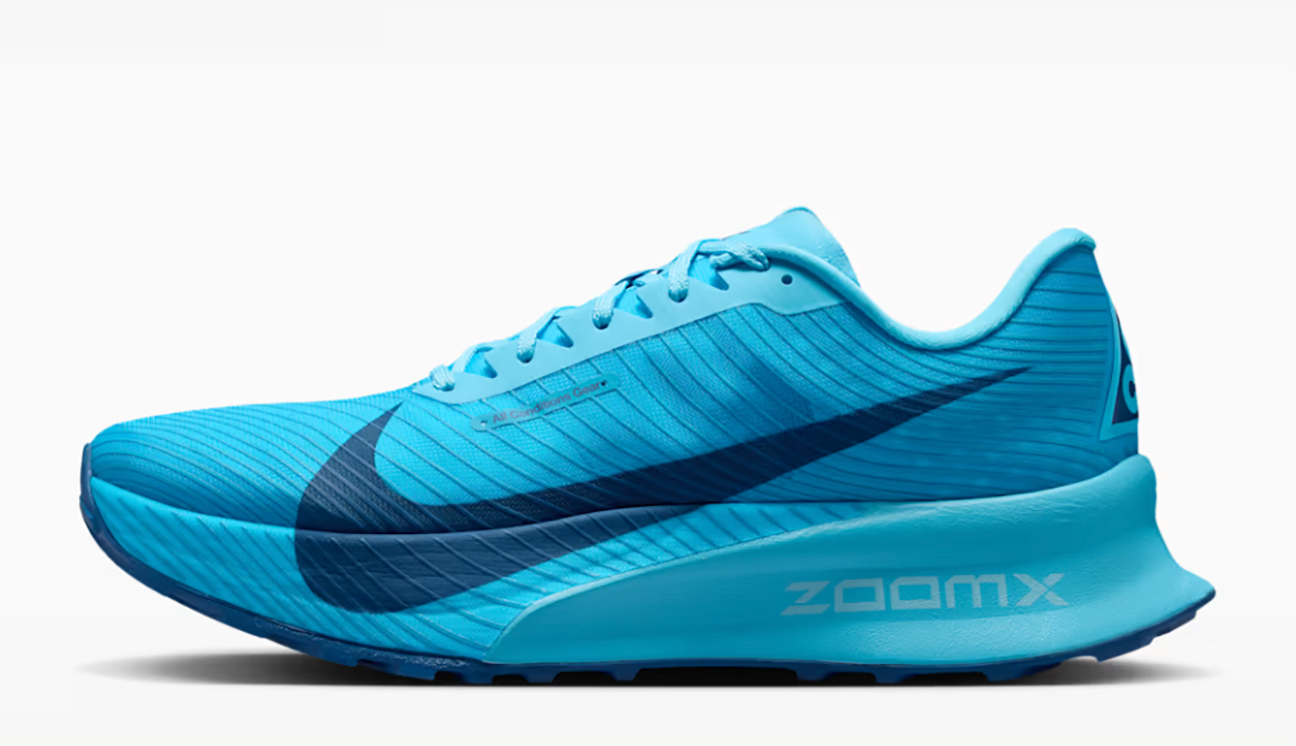
Carbon-plated trail running shoes are becoming more popular as shoe brands figure out the best way to implement those plates into shoes. Unlike the plates in road running super shoes—which are meant to be a catalyst for soft springy foam midsoles—the plates in trail running shoes have multiple roles, including optimizing propulsion, enhancing protection and facilitating (or not sacrificing) stability. But if you get the wrong shoe—either the wrong shoe for you or the wrong shoe for the terrain (or your race course)—you might experience a lot of instability or tippiness or just unexpectedly sore feet.
So far, there have been a wide range of applications of carbon-fiber plates in trail running shoes, some of which have been good and some of which have been awkward or untenable. The carbon-plated trail shoes of the past two years has brought about some of the better versions, including the On Cloudultra Pro, Nike ACG Ultrafly, Hoka Tecton X3, Altra Mont Blanc Carbon, Hoka Rocket X 2, The North Face Vectiv Pro 3, Kiprun Kipsummit Race and Adidas Terrex Agravic Speed Ultra 2.
Shop: Find Your Next Trail Shoes at Running Warehouse
How do you choose a shoe when you can only buy online because you have no local store to try on in person?
Most online stores, including RunningWarehouse, have favorable return policies so you can return shoes that don’t fit. Also, if you travel to a place where there is a good speciality running retail store and can get your feet analyzed with a foot scanning device, you keep that scanning information and data to help you better shop for shoes remotely in the future
Terrain
Can trail shoes still be worn while road running?
Yes, some can. Though be mindful of how many pavement miles you put in, as pavement will wear down grippy lugs more than dirt and rocks. That said, low-lug or gravel shoes (a new, emerging category) work well on roads, and are well suited for road-to-trail miles.
In addition to gravel running shoes, there are different types of trail running shoes for different kinds of trails—road-to-trail shoes that are ideal for milder trails, versatile all-terrain shoes that can handle mild dirt trails to moderately technical trails, and rugged mountain running shoes that are best for very rugged mountain ridgelines and off-trail terrain.
The best advice is to shop for shoes with the traction and protection that are ideal for the trails you’ll run most often.
What shoes are good for a 50K race on mixed terrain?
Opt for a well-cushioned shoe with minimal lugs or gravel shoes for smooth trail and mixed surfaces that include pavement. On the flip side, technical terrain warrants more grip and protection (like rock plates and reinforced sidewalls and toe bumpers). That said, if you’re a runner who prefers more proprioceptive feel for the ground, you may still want a moderately cushioned shoe for technical terrain so that you feel more nimble and can run with greater agility as you move over rocks, roots and other obstacles.
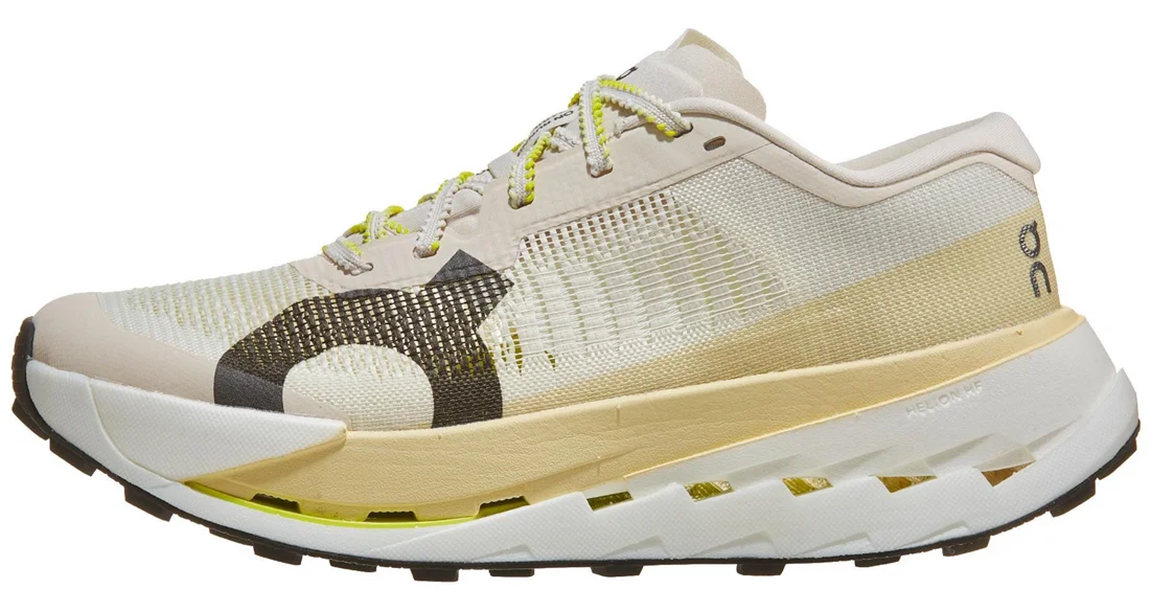
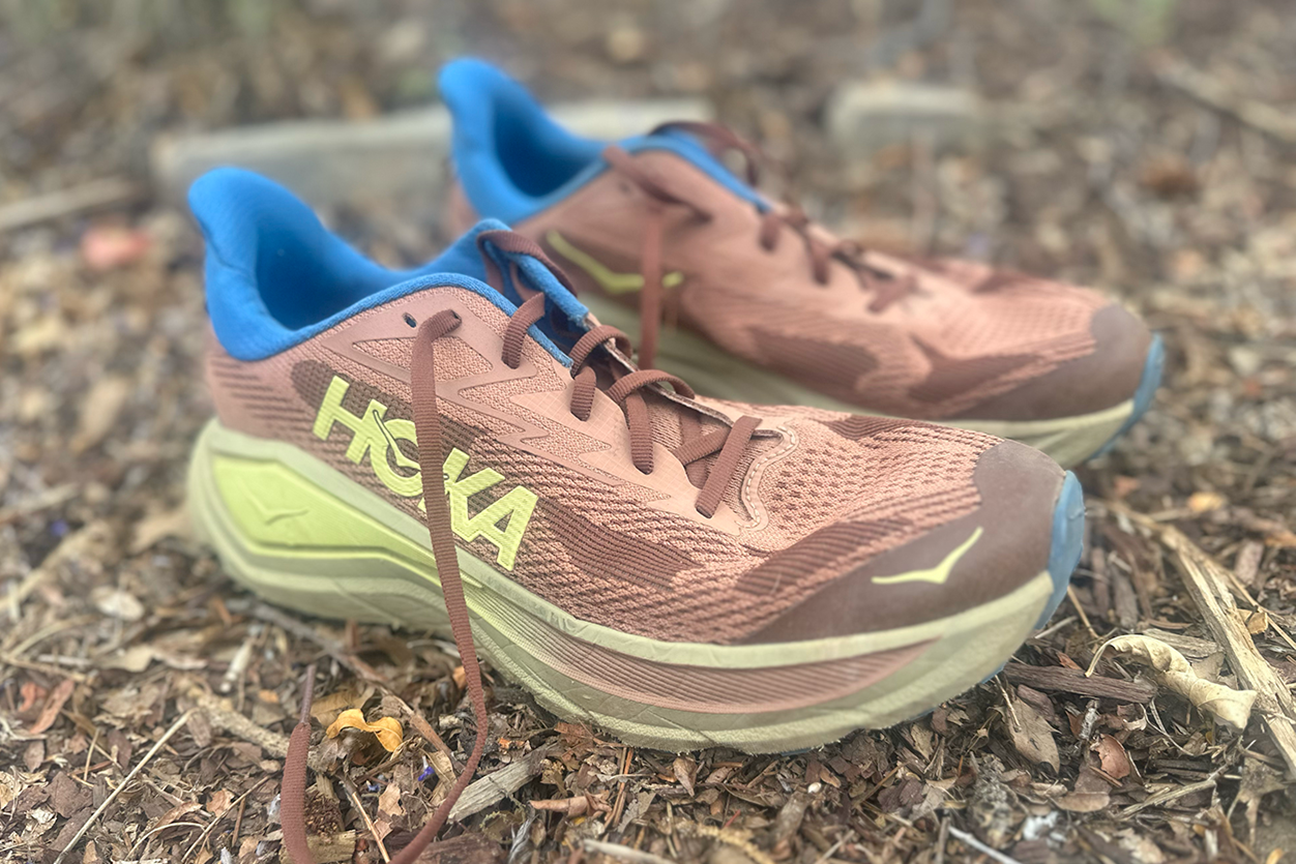
If all depends on the actual terrain features, but a few models you could consider are the Hoka Speegoat 7, Hoka Challenger 8, Salomon Nike ACG Ultrafly, Brooks Cascadia Elite, Norda 005, Saucony Peregrine, Salomon UltraGlide 4, Adidas Terrex Terrex Agravic Speed Ultra 2, On Cloudultra Pro (pictured above), Kiprun Kipsummit Race and Norda 005.
Can I wear trail running shoes for hiking?
Absolutely. In fact, our resident shoe expert, Brian Metzler, has used his trail running shoes for hiking many Colorado 14ers. In fact, he says that modern trail shoes are well suited to most hiking conditions. And, it all comes down to preference; hiking shoes offer greater support, stability and durability, while trail running shoes are lighter, more flexible, more agile and generally more comfortable than most hiking shoes and boots. Again, choosing the right shoe for the terrain is important.
How do you decide on the right shoe if you have a road and trail race?
Choosing trail running shoes requires thinking not only about fit and comfort, but also about a shoe’s traction, weight and protection since the trail surfaces vary significantly more than road surfaces. So, when it comes to choosing your trail running shoes, think about terrain, traction, protection, a shoe’s weight, stability and how long you’ll be on your feet.
For your road race, you’ll want different running shoes that prioritize comfort, fit, lightweight materials, and speed-invoking propulsion.
I prefer toe protection, but recently I don’t find it on trail shoes anymore. How can I find the right pair now?
Yes, many trail shoes are becoming lighter and more road-inspired, which can also feel less protective. But you can still find an option that fits your preferences. Our best advice: Look for shoes with a real toe bumper, reinforced upper, durable overlays and enough structure in the front half of the shoe to help with any sort of impact with rocks or other trail debris.
What shoe is designed for “technical” trails?
First of all, technical terrain refers to anything that’s not smooth dirt or a smooth gravel road. It could mean a trail with a lot of rocks and roots or sections with boulders, loose rock or sand or even slippery, muddy sections. Generally those conditions require shoes that have more traction, durability, stability and protection.
Some of the best shoes built for technical terrain and rugged trails include the La Sportiva Prodigio Max, Norda 055, La Sportiva Mutant and La Sportiva Bushido. Other options include the Salomon S/Lab Genesis, Nike ACG Zegama, Merrell Agility Peak 6, Saucony Xodus Ultra 4, Topo Terraventure 5, Hoka Speedgoat 7, Brooks Cascadia 19, Altra Olympus 6, and Altra Lone Peak 9.
RELATED: Trail Tested: Norda 055
What trail shoe would you recommend with a round toe box and a narrow mid-foot?
Consider Topo Athletic shoes (Ultraventure 4, Terraventure, MTN Racer), many Altra shoes with the brand’s standard width and Nike ACG Pegasus Trail.
What trail shoes offer the best bang for the buck? What is a shoe that is bucking the trend on increasing shoe costs?
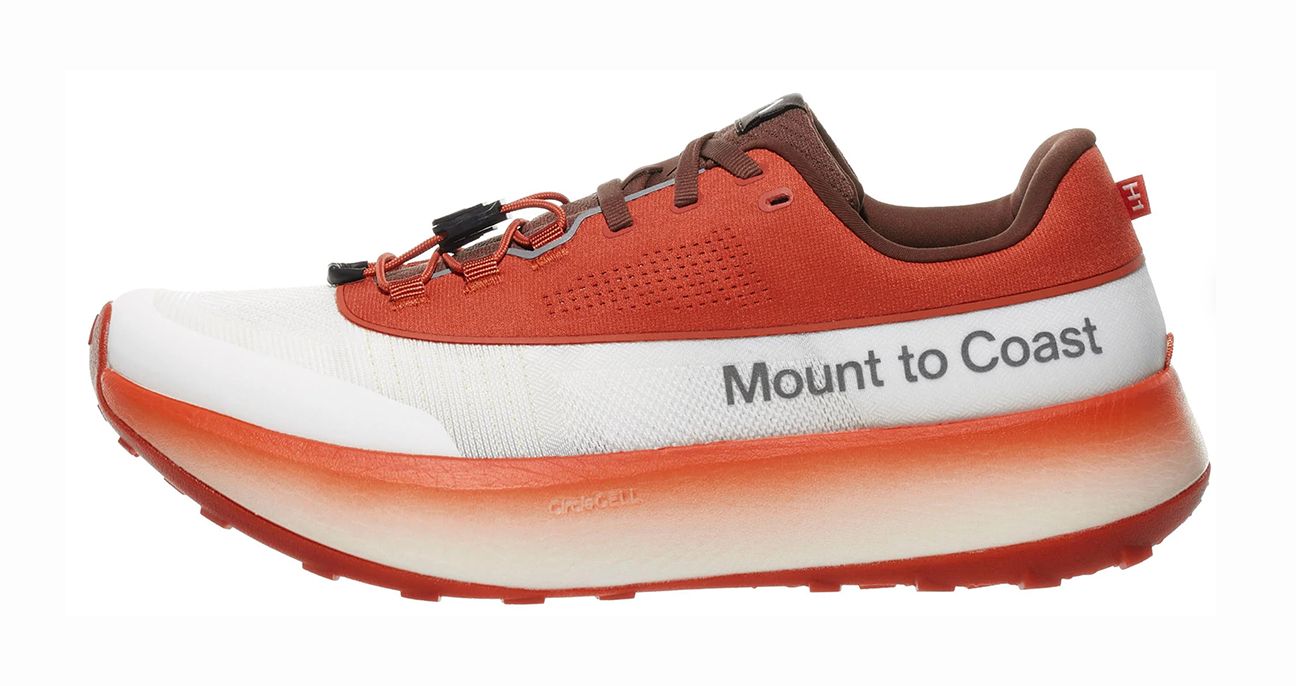
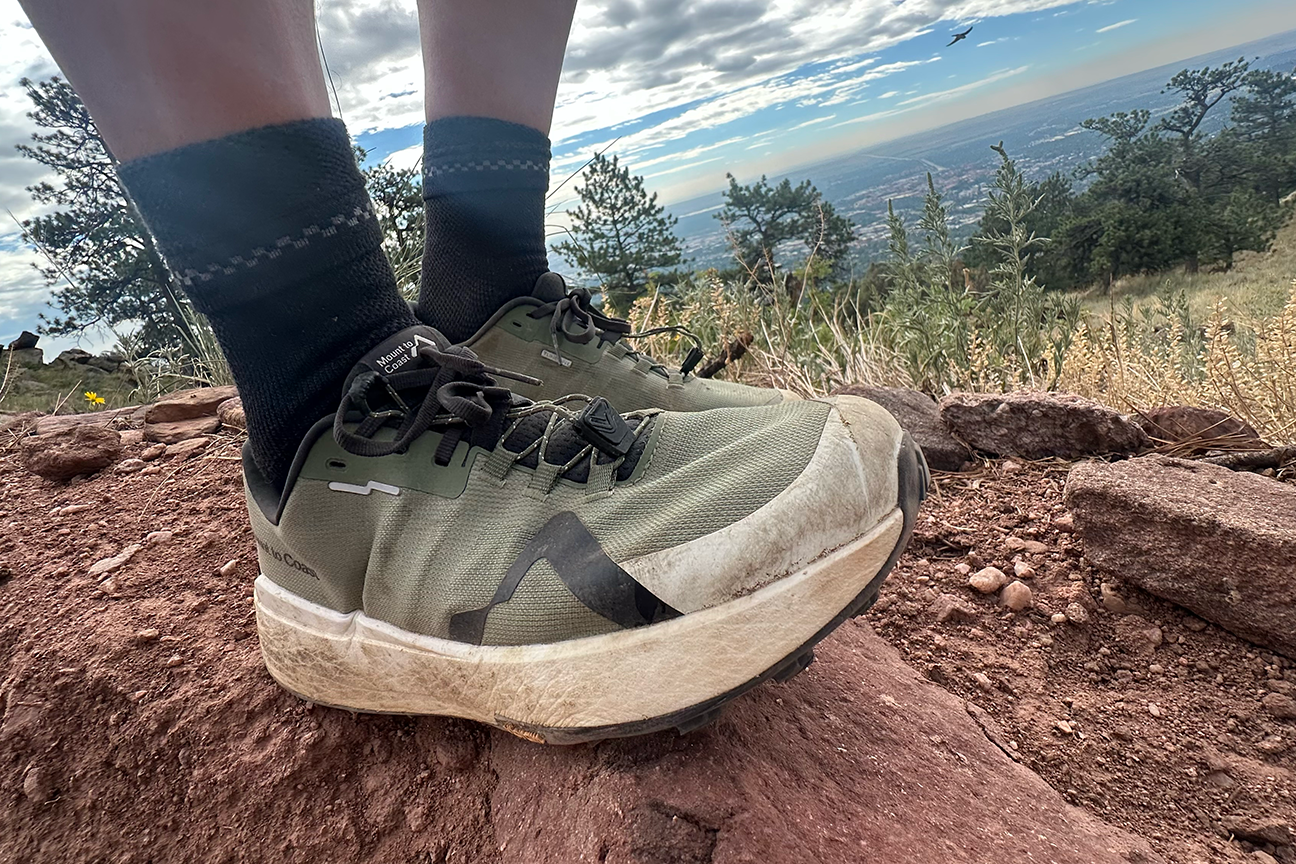
The best bang for the buck might come from a versatile a road-to-trail shoe or a gravel running shoe like the Salomon Aero Glide 4 GRVL, Mount to Coast H1, Brooks Ghost Trail or Nike Pegasus Trail. Those shoes are all good for mild to moderate trails, but can also hold their own on smooth surfaces.
The recent U.S. availability of Kiprun shoes would be a good brand to consider. The Kiprun Kipsummit Max is a good all-mountain cruiser that comes in at a slightly lower price point than the competition.
Generally speaking, you can expect to pay $130 and $175 for a good pair of trail running shoes, but the actual price should be less of a factor than getting the pair of shoes you need for the size and shape of your feet and with the features necessary for the terrain you’ll be running. However, you can often find a previous year’s model of trail running shoes available at a clearance/closeout price. But again, don’t settle for a lesser shoe just because it’s less expensive.
Shop: Find Your Next Trail Shoes at Running Warehouse
Technology and Trends
Is wearing a GORE-TEX trail running shoe beneficial or hurtful for an ultra?
This truly depends on personal preference and the climate where you live. While shoes with a GORE-TEX lining are waterproof and will keep your feet dry while splashing through puddles, they’re not quite as breathable and don’t drain or wick moisture (especially in humid conditions) as well as shoes without a waterproof lining. Also, shoes with GORE-TEX (or any other waterproof materials, like eVent or ) will often make your feet feel warmer, unless you’re running in cool cold conditions.
So, if you’re planning to run through a lot of wet, muddy trails, GORE-TEX shoes might (or might not) be a good choice. But if it’s really cold, your feet get cold and you’re running through rain or snow, shoes with a waterproof lining might be a more obvious choice. Bottom line: try them out if you’re interested!
Is a rocker shape beneficial for long distances of 100K or more?
Yes … and no. Rockers can help smooth turnover and reduce your overall effort on runnable terrain. But if the trail is technical, you could feel off balance or out of control. In short: Keep rocker-shaped trail running shoes in the quiver for less technical trails of any distance. Trail running shoes with a highly rockered shape will generally feel better on smooth dirt trails and gravel roads, but they can often feel awkward and cumbersome on more technical terrain and uneven surfaces.
Where do you see trail running shoe technology going?
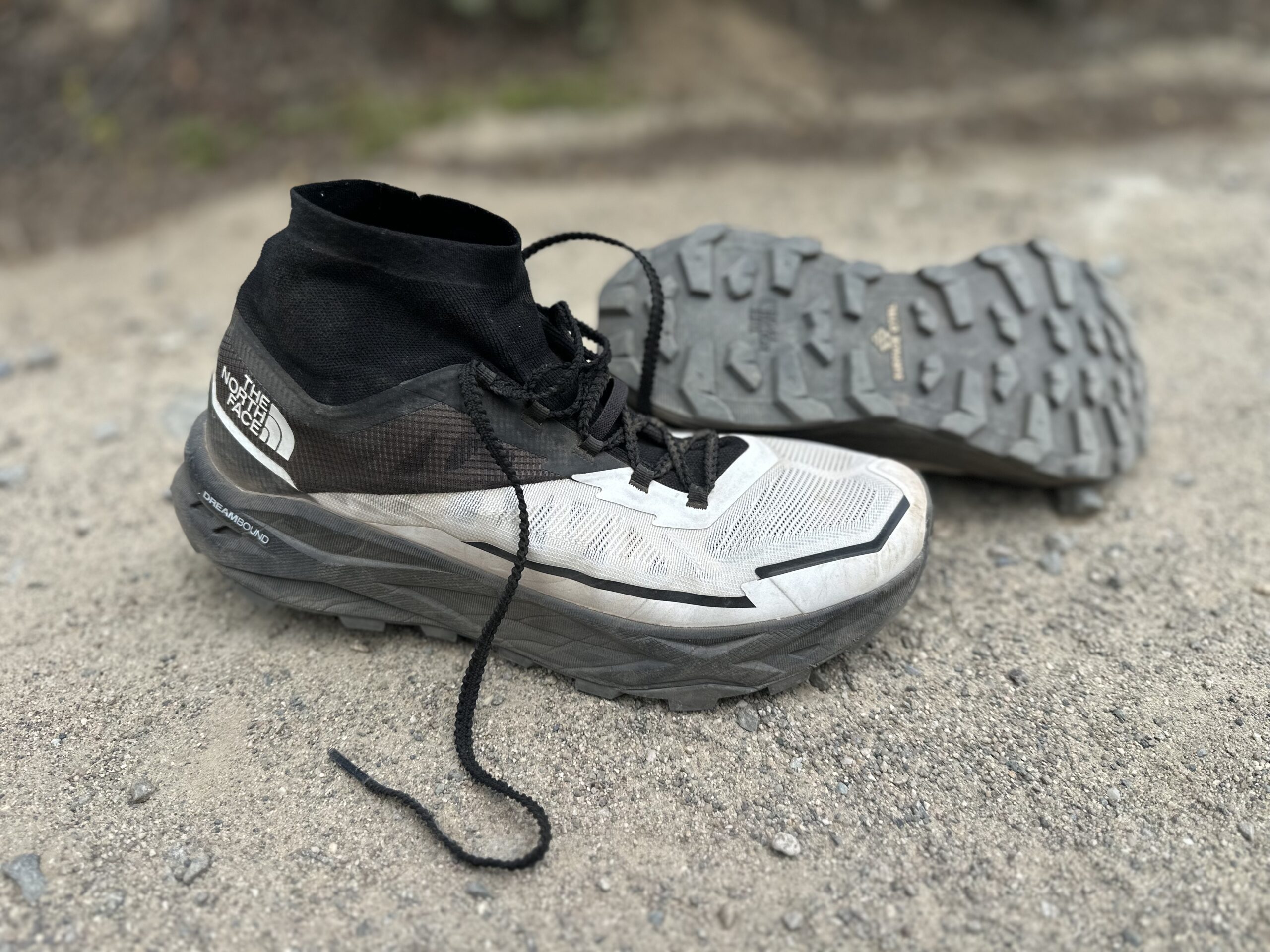
There are still endless possibilities. I think we will continue to see some considerable evolution for the next several years, especially as brands find the right combination of foams, plates and outsole materials for various types of terrain. We have always loved what Speedland has been doing with unique innovations that are pushing the envelope. And I think we’ll see more debris collars like those that we’ve seen on the Norda 055 and the Hoka Tecton X 3. Also, if you followed the social media vibes around the Western States 100, you might have seen the new lacing concept that Kilian Jornet has helped NNormal develop.
Race-Day Questions
For long ultramarathons that combine technical terrain, steep descents and runnable sections, what should runners prioritize when choosing one trail shoe?
The key factors to consider are traction, protection and long-haul comfort. Finding an ideal shoe for a race is a challenging puzzle because no two race courses are alike, which means you might have to prioritize a certain aspect slightly more than others. However, if you can change out shoes via crew-supported aid stations or drop bags, you might be able to bring a small quiver of shoes to address specific parts of a race course.
Are zero-drop racing shoes dead?
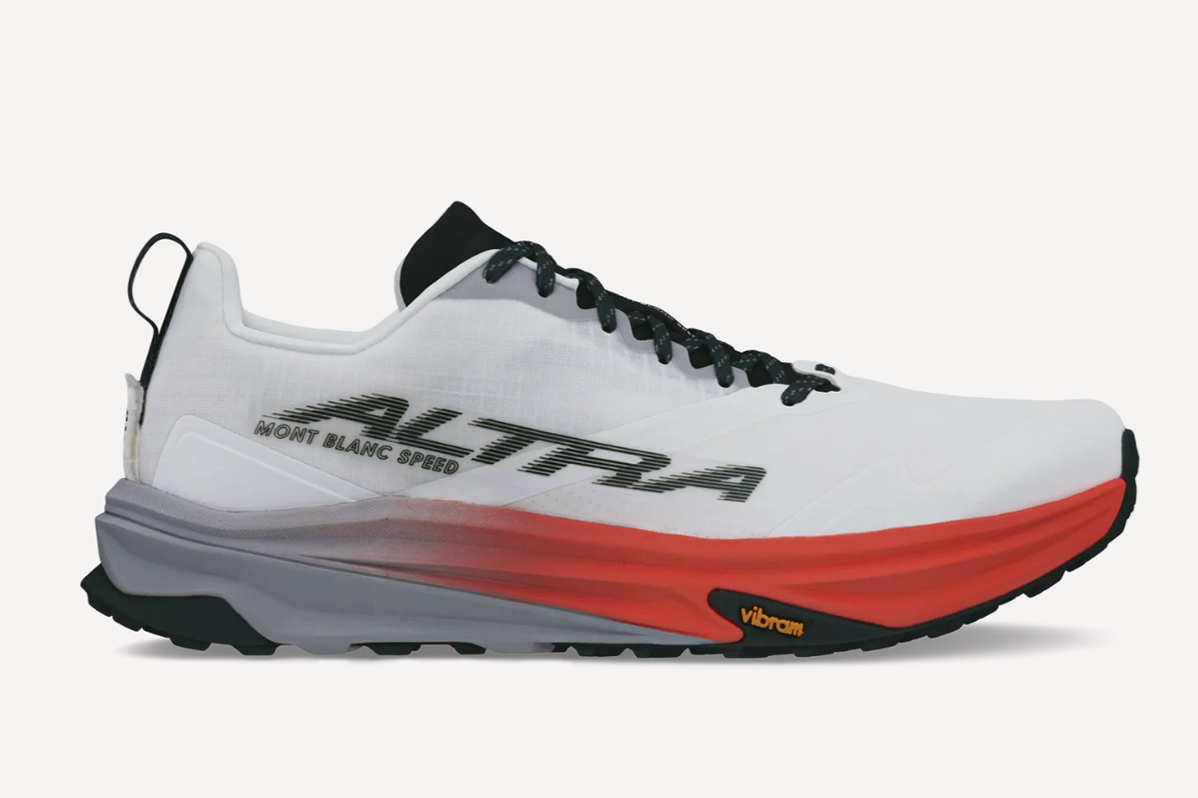
No, not at all. There are numerous brands that make zero-drop trail running shoes, including Altra, Topo Athletic, Notace and Xero Shoes. It just comes down to finding what works for you.
What shoes are best for running your first 100 miler?
Choose the shoe you have worn for long runs. Make sure it has enough room for your foot to swell. Choose a shoe that feels like it has enough support, cushion and stability for the later stages of the race when you’re really tired.
Shop: Find Your Next Trail Shoes at Running Warehouse
RELATED: 12 Great Trail Running Shoes To Consider Adding To Your Quiver This Summer
RELATED: Dirty Dozen: 12 of the Best Trail Shoes for Running in the Mud
- Trail Tested: The North Face Offtrail Ultra
- Breathable Trail Shoes for Hot Weather Running
- Trail Tested: Mount to Coast M1
- Trail Tested: Salomon S/Lab Genesis 2
- Trail Tested: The North Face Altamesa 500 V2
- Your Questions about Trail Shoes are Answered

4 comments
Jenny Deacon-Nelly
Hi,
I have never been able to find a trail running shoe that fits my narrow, 2A feet. I wear a Womens size, 9 2A. Ball Width 2A, Arch Height M, Instep Height very low, Heel width Narrow. My solution is to wear a size 9 2AA Asics Kayano, or New Balance road shoe on trails and hope for the best. I also have a custom orthotic I wear daily when walking and running. I recently purchased a Hoka Arahi that runs narrow and is fine for gravel smooth roads or trails, but as soon as the trail has roots or rocks, the upper foot area has too much wiggle room. Do you have any suggestions of a trail shoe to try? I mostly walk and hike now.
Maxwell Erickson
I am once again begging people to stop putting the Prodigio Pro in a list of carbon-plating shoes… they have supercritical foam but no plate of any kind, carbon or otherwise. It’s one of the reasons they’re so beloved by many.
Brian Metzler
Thanks Maxwell, good catch! We’re updating that. We love the Prodigio Pro and apologize for the oversight!
Dexter Emoto
I enjoyed your article on Questions on Trail Shoes. Very informative and helpful. Thank you! Continued success!