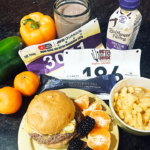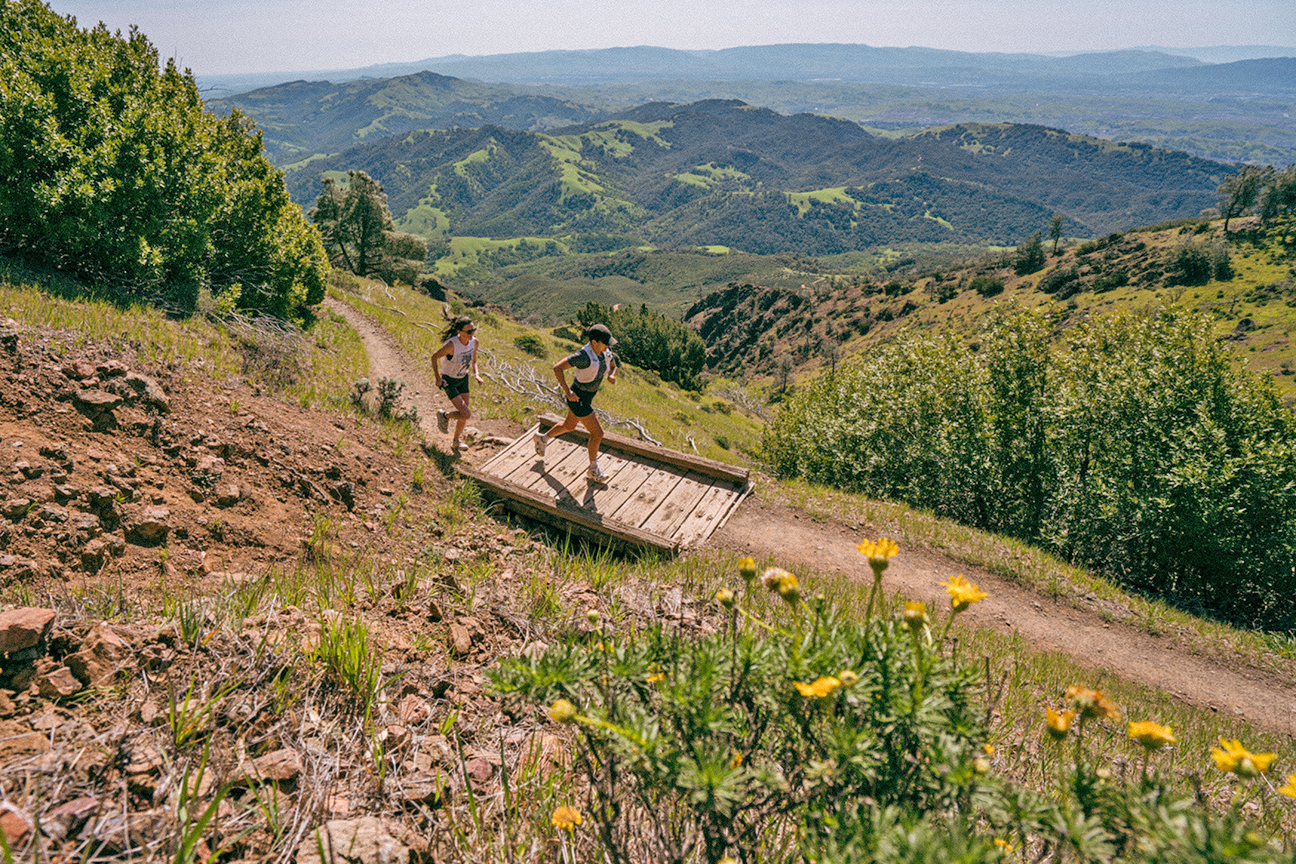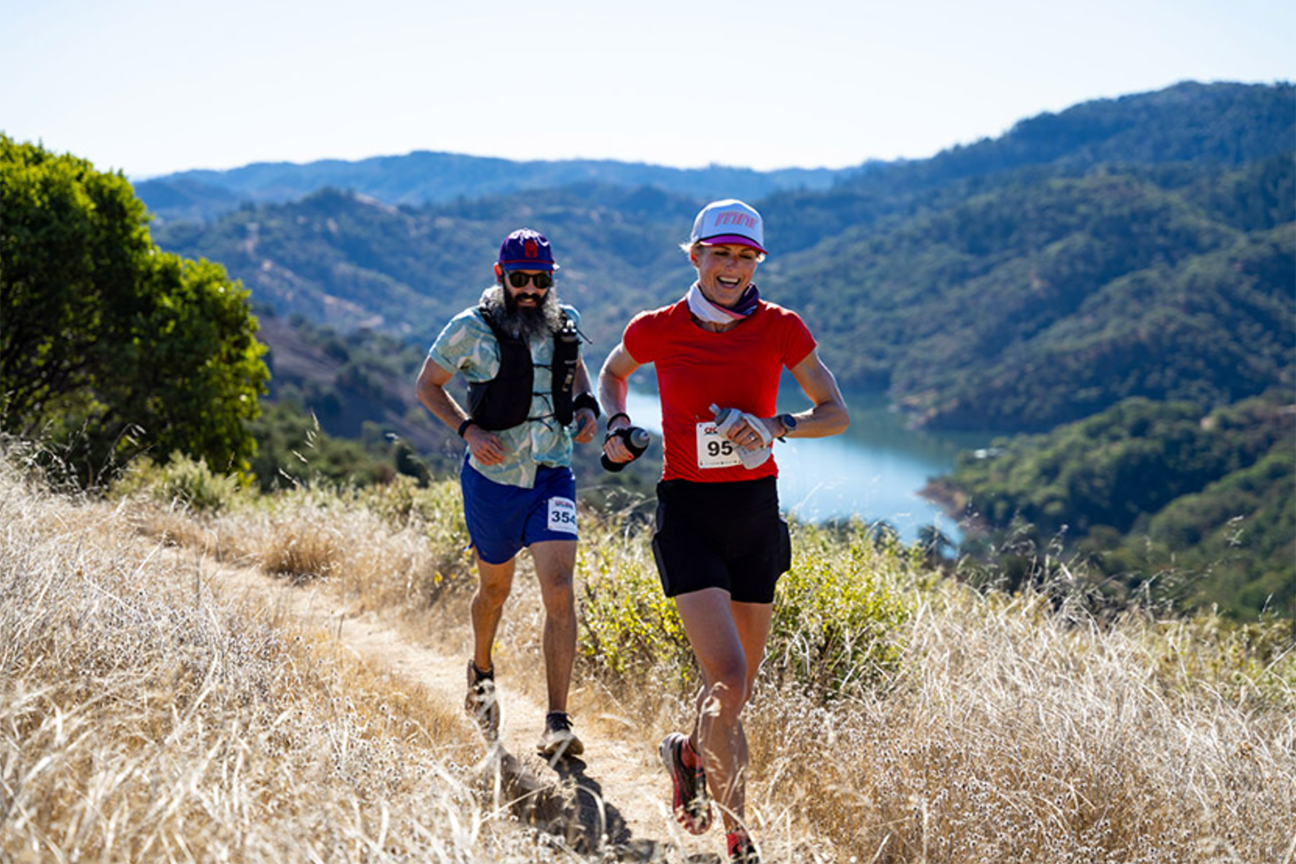
I trained hard, lost weight and did lots of uncomfortable things—including staying up all night playing poker—to train for my most recent 100-miler, the Viper, which slithered through Shelby Farms Park in Memphis in mid-March.
But the biggest key to my success, I think, were the races I completed along the way.
Two months before lining up for the Viper 100, I ran a 50-miler, the Frozen: H3 in Bethera, South Carolina. It turned out to be false advertising, as the temperature climbed to 80 degrees, but it was a fun romp through the marshy woods that prepared me for Memphis’ swampy trails and gave me a good indication of my early-January fitness.
About a month before my 100, I ran the Arches Ultra, a 50K in Moab, Utah, which went well but also gave me the chance to hike the whole next day on tired legs, and that turned out to be amazing practice for the last 20 miles of a 100.
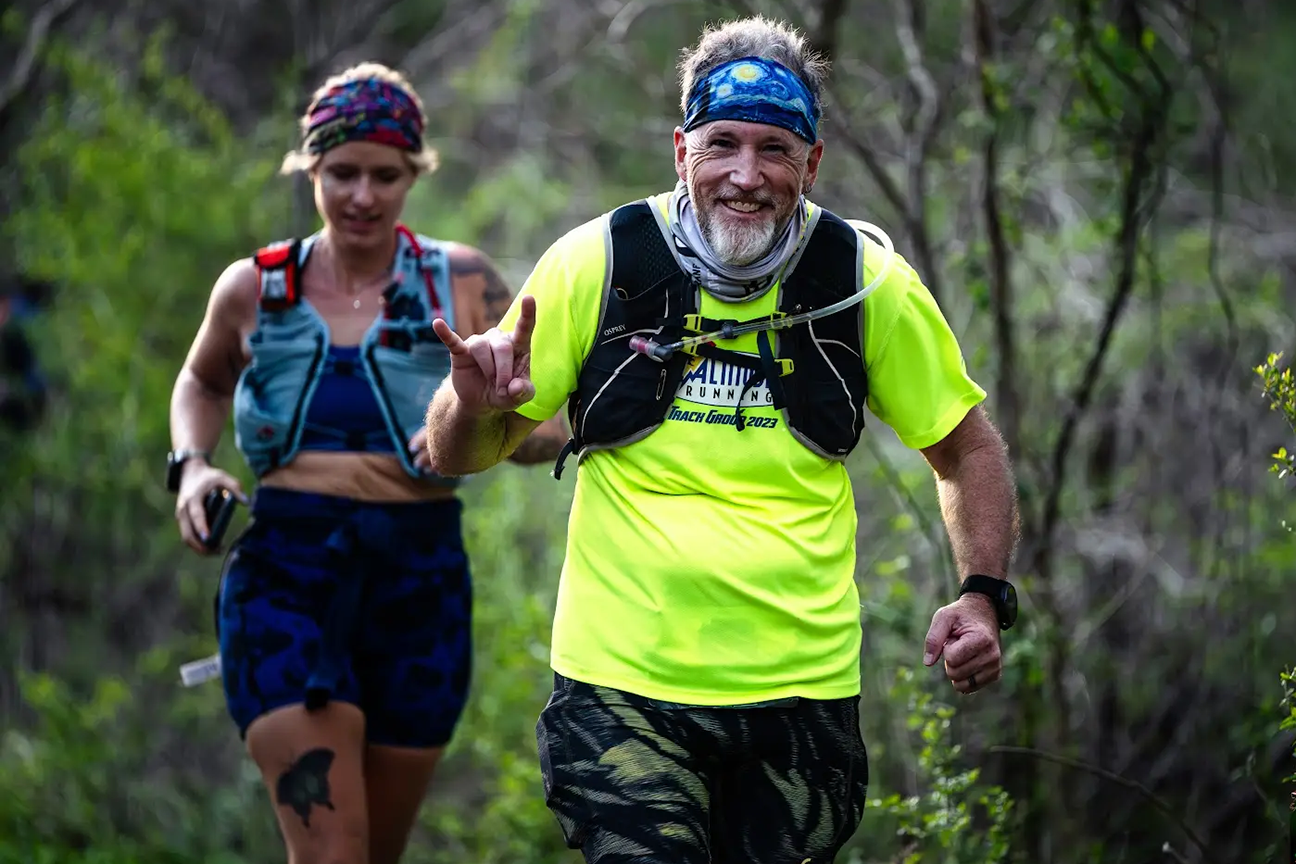
Using races to train for a larger race is something that should be common practice for ultramarathoners. You can learn a lot, practice for your “A” race and even have more fun when you’re grinding out the miles on your long runs.
Here are the benefits of using trail races to train for your first or next ultra.
Find Your Next Race: UltraSignup Event Search
Sharpening your race-day skills
Runners learn all kinds of skills as they progress in ultramrathons. Running for an entire day is a skill. Completing a speed workout on a boring track is a skill. Getting your fueling strategy dialed is a skill. And stuffing your face with a bacon and cheese quesadilla at 3 a.m. is definitely a skill, too.
Coach Jason Fitzgerald of Denver began pushing some of his clients to race more when he realized they weren’t running to their potential in their “A” races. The biggest reason, he thought, was because they lacked racing experience. He’s coached thousands of clients from road runners to marathoners to trail runners and ultramarathoners, and has found that savvy runners with racing chops tend to be more dialed in once they get to the starting line of their main goal race.
However, when runners haven’t raced often and head into their “A” race without a practice race or a chance to tune-up race-day execution, regardless of their preferred distance, they tend to make silly mistakes, like fueling improperly, or starting out too fast or having to use the porta-potty during a race. Worst of all, they would put so much pressure on themselves, Fitzgerald said, because of the relative enormity of the event. That’s true for marathons and ultras.
“You put that one race on a pedestal, and it’s this super special thing, but instead, it should be a logical extension of the training you are doing,” Fitzgerald said. “Racing is just SO different from training. It exposes all the things you aren’t good at.”
RELATED: How to Train for Trail Races Without Access to Trails
Racing is a dress rehearsal
Dress rehearsals are designed for musicians, thespians and restaurant owners to practice for opening day. Coach Christy Scott makes her runners do the same thing.
“I have them practice everything,” said Christy Scott, who’s worked as a personal trainer since 1998 and a running coach for about as long through her Fitness on the Move business.
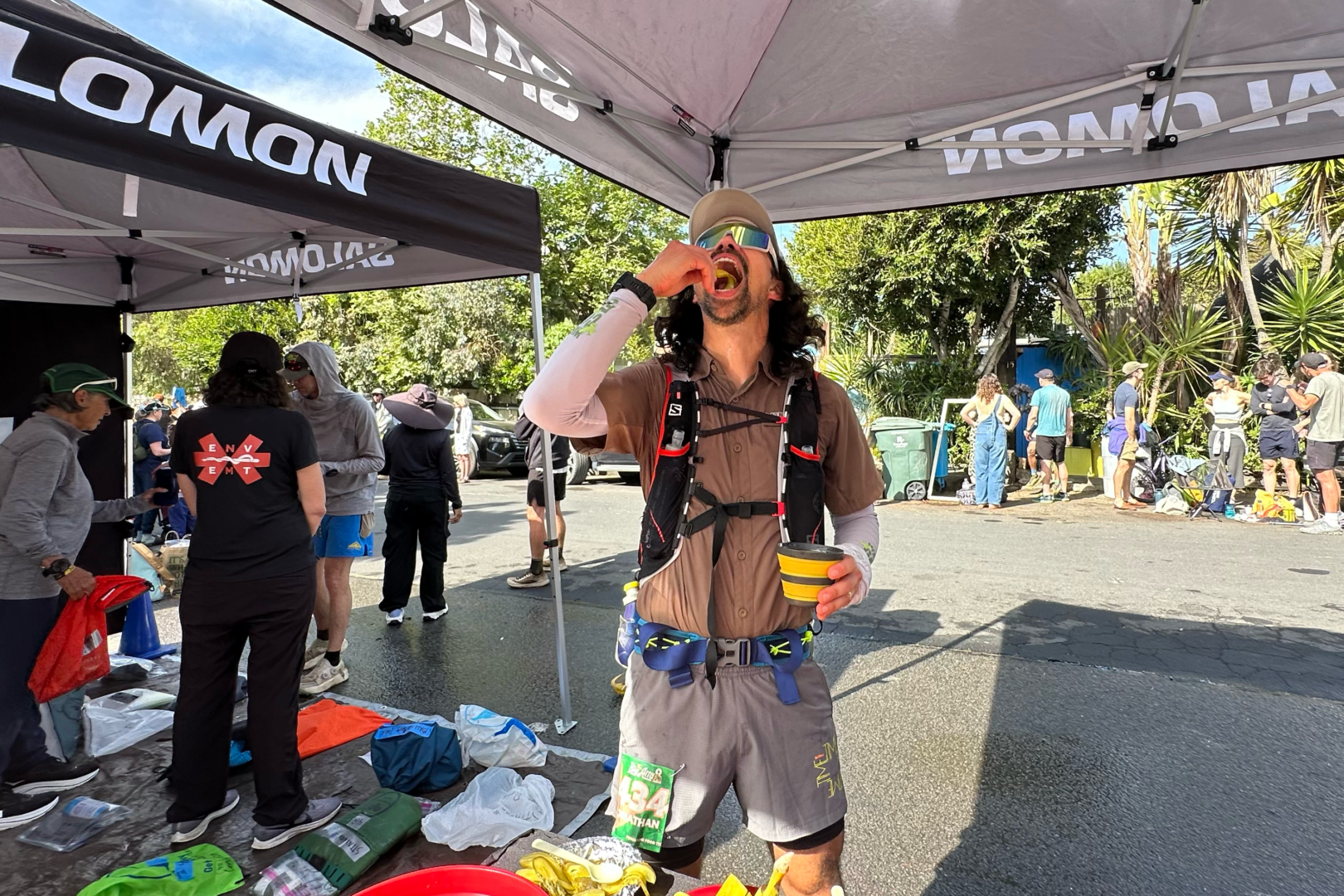
Scott, 53, lives in the trail running mecca of Huntsville, Alabama, and so she loves to take advantage of that strategy while racing ultras herself, but especially as she helps her athletes prepare for their biggest events of the year. The idea is to do everything exactly as they will in their “A” race, but, she admits, the keys are deciding how much tapering (if any) will be done going into the race and how much recovery is needed afterward before getting back into training.
Gear can obviously be a lot to worry about in an ultramarathon. Runners have to prepare for race-day weather, running through the dark, chafing, a bratty stomach, and blisters. Ultras are all about mid-race problem-solving for a wide range of things that can crop up when you’re running for a full day (and night). Training runs simply won’t cover all those scenarios.
Races also help runners practice a fueling plan. Scott said she didn’t really grow as an ultrarunner until she learned how to eat more than 100 calories an hour on the run. The variety of food offered at aid stations simply can’t match what you pack in the back of your van.
“Aid stations are never a bad thing,” Scott said. “You can get really tired of eating, so learning how to fuel is one of the biggest advantages of racing.”
Cody Gamble ran a 24-hour race last year before his first 100-miler, the Indiana Trail 100. He said the biggest advantage was working on sleep deprivation. He also plans to do the 4X4X48 during his training, a concept popularized by David Goggins and another way to practice running while sleep deprived.
“Running while sleepy is one of the underrated parts of running a 100,” said Gamble, 33, who lives in north-central Indiana and is training for the Bigfoot 200 in August.
Gamble also sees races as a way to practice climbing. Most 200-milers are packed with elevation gain (because running 200 miles isn’t enough of a challenge!), including the Bigfoot 200 (a hefty 45,000 feet), so he picks tune-up races with hills. The Knobstone 50, in Bordenville, Indiana, for instance, has more than 10,000 feet of elevation gain, and so does the famous Speedgoat 50K in Snowbird Resort in Utah.
Gamble uses races like those to test his fitness. Scott likes to test her clients’ fitness during events as well, and there’s no doubt that races, with their scenery, other runners and cutoffs, provide more motivation than your neighborhood trail (even if it’s a Strava segment).
“Sometimes I’ll have them push it a bit,” Scott said. “It gives us a better idea of where they will end up in their goal race.
Avoid too much of a good thing
Scott loves racing, but she doesn’t fill all of her weekends with events. She wouldn’t want her athletes to do that either.
“I’ve got several friends who race constantly,” Scott said. “I don’t know how they do it.”
Scott said many of those friends register more DNFs than those who race sparingly, and they may have higher injury rates as well.
A 2025 study published in the British Journal of Sports Medicine found a significant increase in the rate of overuse injuries when the distance of a single running session exceeded 10 percent of the longest run in the last 30 days. And yet, that’s racing ultramarathons in a nutshell.
That’s why Scott won’t race more than once a month. She also loves timed events, such as 24-hour races, because they’re more relaxed: The pressure to finish under a certain time doesn’t exist.
“I usually pick one goal race a year,” she said, “and I work backwards from that.”
Racing > Grinding
Let’s end with the most obvious reason why people use races to train for races: Racing is more fun than grinding out a 25-mile training run on your local trails. Any race day is a great chance to get out on that stage, go through the jitters and bust off the rust as you go through the motions of a performance. Plus there are aid stations and encouraging volunteers to help you through it.
These are things that everyone from the diverse disciplines of road running and trail ultramarathons can agree on.
Cynthia Wheeler, a Chicago runner known as “Runner Girl” with more than 100,000 followers on both Instagram and TikTok, loves everything about a race. She loves the atmosphere, the finisher medals and the expo, where she can peruse the gear (her closet is stuffed with hoodies, shirts and jackets), find new gels to try and talk to other runners, even random ones she’s never seen before.
“I don’t run with a group,” Wheeler said, “so that’s a way I can socialize with other runners.”
Wheeler, 57, loves racing so much, she incorporates it into her spring and fall marathon plans. She will run half marathons as well as shorter races as she’s training for, say, the Chicago Marathon, which she’s run eight times.
Racing frequently and tackling many courses she’s unfamiliar with helped her overcome her nerves about running the 15.4-mile “Heavy Half” of the Leadville Trail Marathon, complete with challenging hills and high altitude she’d never experienced before.
Wheeler is a veteran of more than 20 marathons. She just ran the Toyko Marathon, her last of the original six World Marathon Majors. Some of her social media followers have remarked on her posts that she races too much, but she disagrees with them.
“I just love the race-day jitters,” Wheeler said. “I never feel like I can bite off more than I can chew. I mean, if I can’t run a half, I’ve got no business running a marathon.”
Our sport is not always about fun, but fun should at least be a part of it. Racing helps us chip away at the tedium of training for those crazy-long distances that make the uninitiated
“If I wasn’t doing any races,” Gamble said, “I’d get so bored with the training.”
RELATED: Find Your Next Trail or Ultra Race
About the Author
Dan England is a Colorado-based freelance writer, the co-author of “Reborn on the Run” with Catra Corbett and a sarcastic but helpful ultrarunning coach. He’s also completed more than 30 ultras himself and climbed more than 200 mountains.
- TrailCon 2026 Rewind: The Trends and Data Reshaping Trail Running Events, Culture and Business
- Get to Know the Terroir of the Trails

- 9 Takeaways from the Mind-Blowing 2026 Backyard Ultra World Team Championship
- Take 2 Trail Gives Used Trail Gear a Second Life
- The art of accepting abject failure and moving on
- The Race is Over, Now What? Your Nutrition Guide to Recovering from Ultra-Distance Trail Races