Olympic marathon bronze medalist Molly Seidel has made a big transformation on the way to the Western States 100.
The past year has marked the start of something new for Molly Seidel.
Following a period away from competition, Seidel, the Tokyo Olympics marathon bronze medalist in 2021, has returned to competitive running as a trail runner with a renewed perspective, prioritizing consistency, enjoyment, and long-term development over immediate results. Seidel, 31, earned a Golden Ticket into this summer’s Western States 100 by placing fourth in the Black Canyon Ultras 100K in Februrary.
She’s not the first Olympic runner to run Western States: Magda Boulet, a 2008 U.S. Olympic marathoner, won Western States in her debut 100-miler in 2015 in 19 hours and 5 minutes, while Reid Coolsaet is a two-time Canadian Olympic marathoner (2012, 2016) who finished 25th place overall (17th in the men’s division) in 19:27:03 in 2022.
Here are seven aspects of how Molly Seidel went through a transformation to reach the starting line of the 2026 Western States 100.
RELATED: Tahoe Week 2026
1. She Needed a Fresh Start
Molly Seidel’s transition to trail running wasn’t simply a career pivot—it was a reinvention born out of necessity and passion. Following her bronze medal performance in the marathon at the Tokyo Olympics, Seidel endured years marked by injuries, mental health challenges, and the immense pressure of trying to replicate a once-in-a-lifetime achievement.
Stress fractures, a broken patella, and a partially torn patellar tendon interrupted her training and ultimately forced her to withdraw from the 2024 U.S. Olympic Marathon Trials. More than the physical setbacks, however, the marathon itself had stopped bringing her joy. “It just wasn’t fun anymore,” she admitted. The constant demand to stay at the pinnacle of one of the sport’s most unforgiving events left her craving something different.
After winning Olympic bronze in Tokyo, Seidel struggled with injuries, mounting expectations, and mental fatigue. The marathon had become less joyful and more burdensome. Trail running represented not an escape from competition, but a chance to rediscover why she loved running in the first place.
She started the 2025 New York City Marathon to test her fitness, but she wound up dropping out midway through the race.
“It just wasn’t fun anymore,” she said. “It’s really hard to maintain that level in marathoning. It’s a steep peak that you have to remain on top of. I needed a change. I needed something different.”
Find Your Next Race: UltraSignup’s Event Finder
2. Trail Running is in Her Roots
Although her transition appears sudden, Seidel’s connection to trails stretches back to her teenage years in Wisconsin and was reinforced by years of training in Flagstaff, Arizona. The trails had always intrigued her; she finally gave herself permission to fully pursue them after stepping away from Puma and road racing.
In many ways, the move to trails had been years in the making. Growing up in Wisconsin, Seidel spent time working with the Ice Age Trail Alliance and running local trails with her high school teammates. Even as she developed into an NCAA champion, Olympic medalist, and one of America’s premier marathoners, she never lost her fascination with dirt paths and mountain routes. Living and training in Flagstaff, Arizona, only deepened that interest, and after her professional contract with Puma concluded at the end of 2024, she finally gave herself permission to fully embrace trail and ultra-distance racing.
RELATED: Win a 2027 Western States Entry
3. She Had to Reinvent How She Trains
Success in the marathon didn’t automatically translate to ultras. Working with coach Cliff Pittman, Seidel shifted from the high-intensity and precision of marathon-specific training to a model emphasizing higher volume and more time on feet, longer mountain runs, trail-specific threshold workouts, greater strength and durability, and adequate recovery to help keep her healthy. The goal wasn’t necessarily to make an Olympic medalist fitter than she’d already been, but rather to keep her healthy and adapt her extraordinary aerobic engine to the unique demands of ultras.
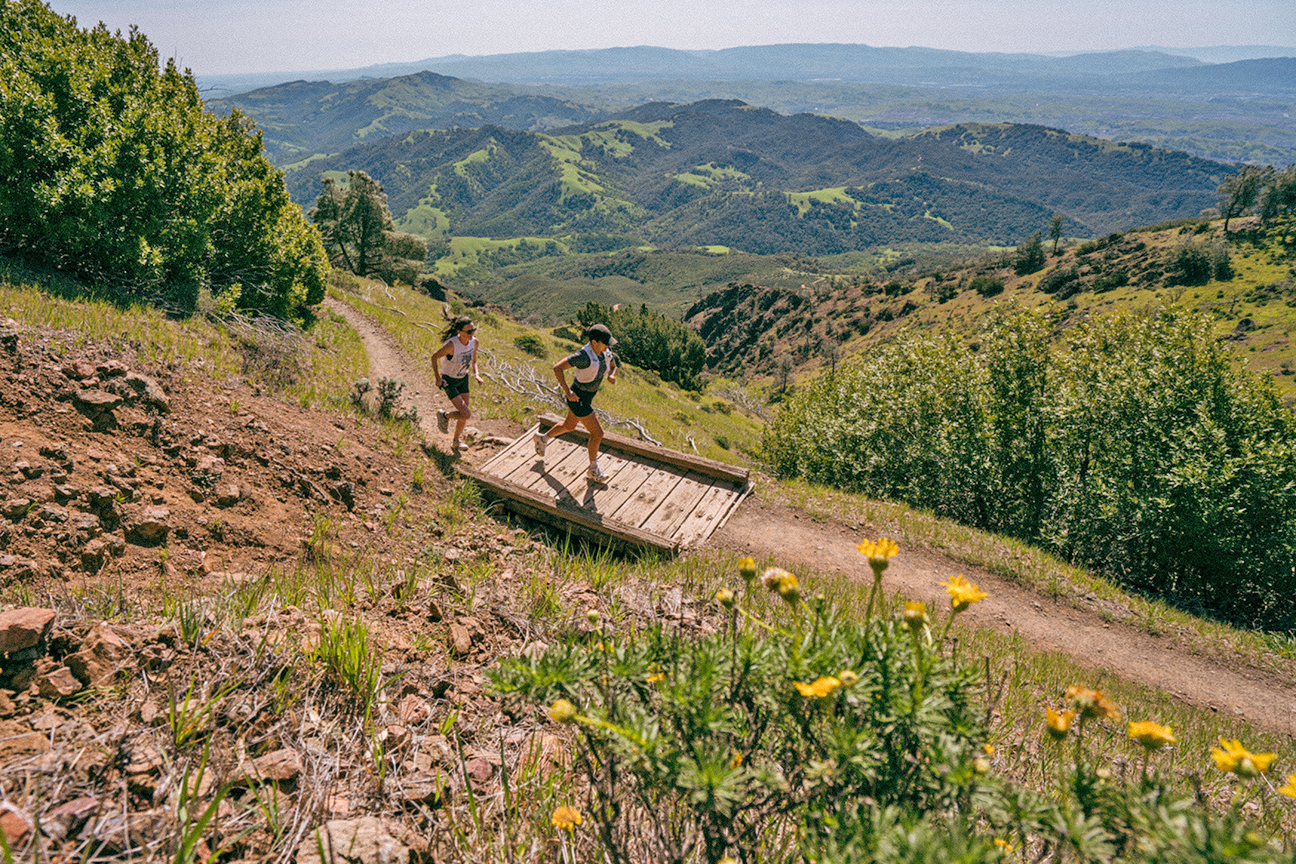
Pittman overhauled Seidel’s training philosophy from the ground up—building mileage at lower intensities, logging more three- and four-hour runs on mountain trails, and layering in trail-specific threshold work as fitness developed. Track intervals gave way to 5 x 15-minute uphill repeats on Elden Ridge in Flagstaff, a steep lava dome from an ancient volcano on Flagstaff’s northeast edge. With Western States approaching, Pittman says she kept pushing her time-on-feet toward 16 to 18 hours a week.
4. Black Canyon Was an Eye-Opener
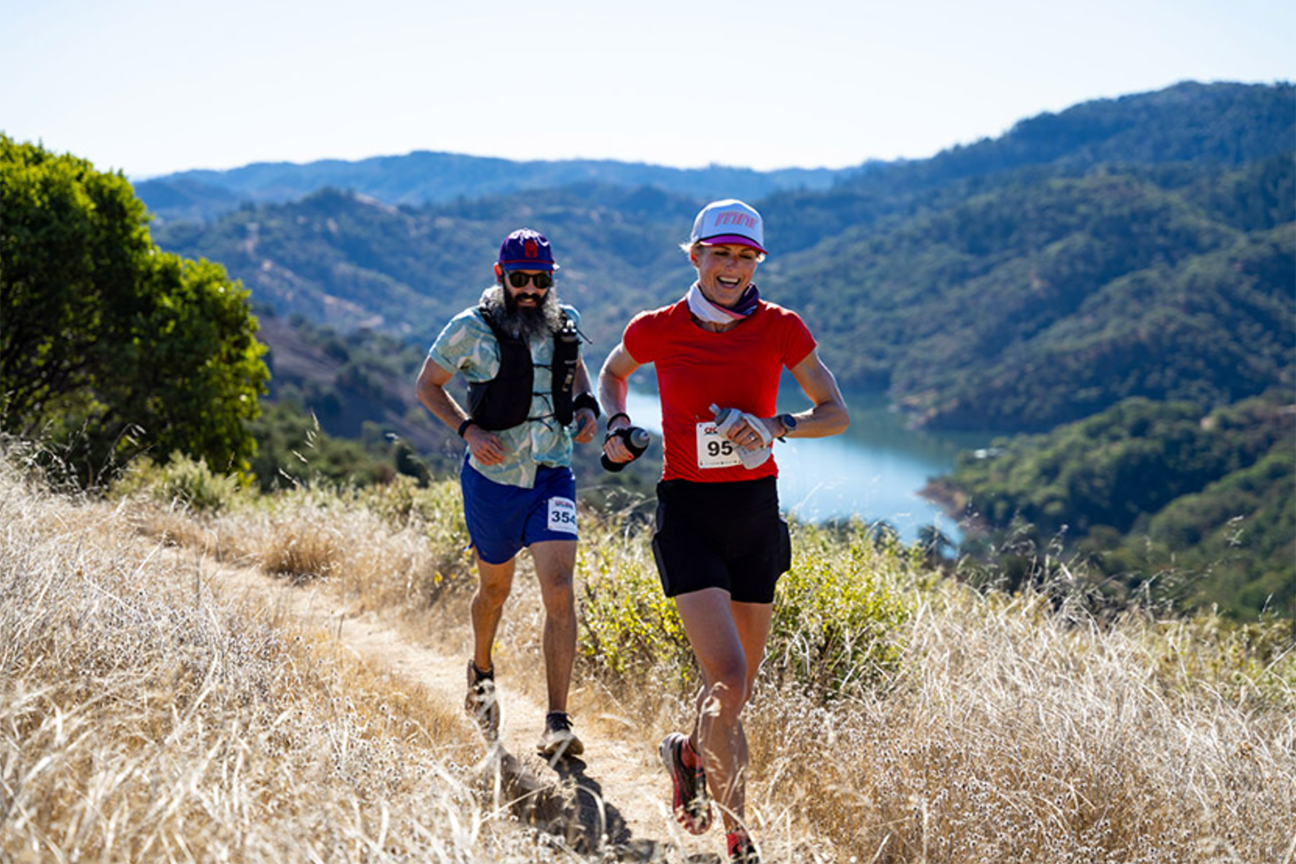
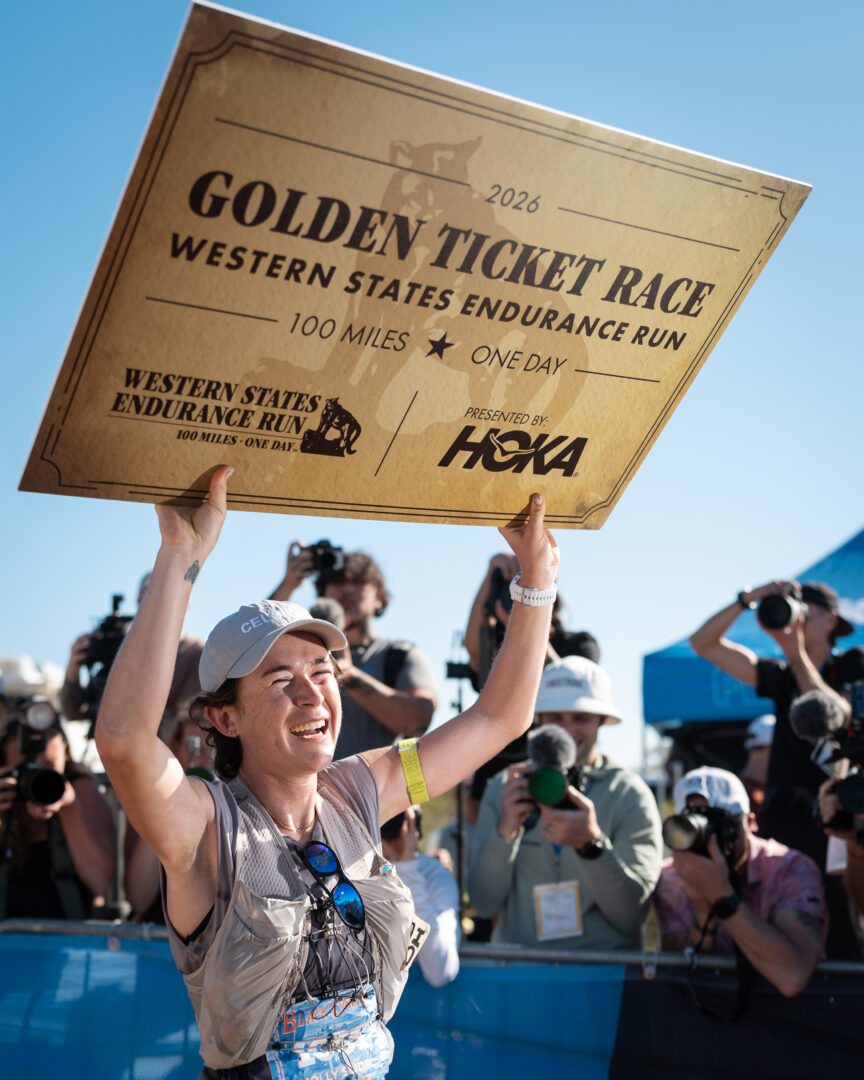
Her early experiences in trail racing quickly reinforced just how different the discipline can be. Although Seidel won the Bandera 50K in dominant fashion, it was her performance at the Black Canyon 100K that provided some of her greatest lessons. After going out aggressively and leading much of the race, she paid for her inexperience by skipping a crucial hydration stop as temperatures climbed into the 80s. In a marathon, missing a fluid station might be manageable; in an ultra, it can unravel an entire race. Seidel found herself deep in unfamiliar discomfort, venturing beyond 34 miles for the first time in her life while still facing more than 30 miles to the finish.
Yet instead of folding, she adapted, regrouped, and ultimately finished fourth, earning a coveted entry to the Western States 100. The experience taught her that marathon speed and fitness are only one piece of the puzzle. Technical trail skills, downhill efficiency, climbing strength, pacing judgment, and disciplined fueling all play critical roles in success.
“The aerobic fitness that I carry over from the marathon and the speed that I have is only one component of success on the trails,” she said. “In the marathon, you kind of just have to hammer one system over and over but in trails I know I improve my downhill running. I can improve my technical skill on trails. I can improve my climbing ability. There’s so much more that goes into it. It’s all these different facets.”
LISTEN: Molly Seidel Joins The Buzz Podcast
5. She Considers Herself a Rookie
As she prepared for Western States, Seidel balanced ambition with wanting to race with the best with the humility of knowing she’s still an ultrarunning rookie. Despite being one of the most accomplished runners in the field, she views this season as a learning year. Rather than placing unrealistic expectations on herself, she hopes to approach the iconic 100-mile race with cautious optimism, gaining experience and building a foundation for longevity in the sport.
She has spoken openly about wanting to progress smartly and resist the temptation to accelerate the process simply because of her elite pedigree. The Western States 100 represents an opportunity not only to compete, but to understand the rhythms, challenges, and culture of ultra-distance trail racing.
“I have to remember I am a rookie at this and the point is a smart progression so that I can keep doing this for a long time,” she told Runner’s World. “So I am definitely going into it with cautious optimism of remembering that this is a learning year and the point of this is to kind of learn the ropes of Western States, but also not selling myself short. It was definitely intimidating to finish a 62-mile race and think, ‘OK, only 38 more of those to go! That’s going to be a lot.’”
6. Trails Have Reignited Her Running Passion
Perhaps the most striking aspect of Seidel’s transition is how revitalized she appears. She says she feels fitter, stronger, and healthier—physically, mentally, and emotionally—than she did during much of her marathon career. Trail running has allowed her to reconnect with nature, embrace uncertainty, and step away from a road racing culture increasingly defined by split times and the relentless pursuit of speed.
The variety of races, terrain, and experiences appeals deeply to her sense of adventure. While she hasn’t ruled out a future return to the marathon, Seidel is savoring this chapter of exploration. In the trails, she has rediscovered something that elite sport can sometimes obscure: the simple joy of running.
“One of the fun aspects of switching to trail is just having the opportunity to try so many different races rather than just doing the same six World Marathon Majors every single year.”
For Seidel, Western States isn’t simply a debut at America’s most famous 100-miler. It’s the next chapter of a reinvention—one built on curiosity, sustainability, and rediscovering joy in running.
7. She’s Not Bound by a Shoe Contract
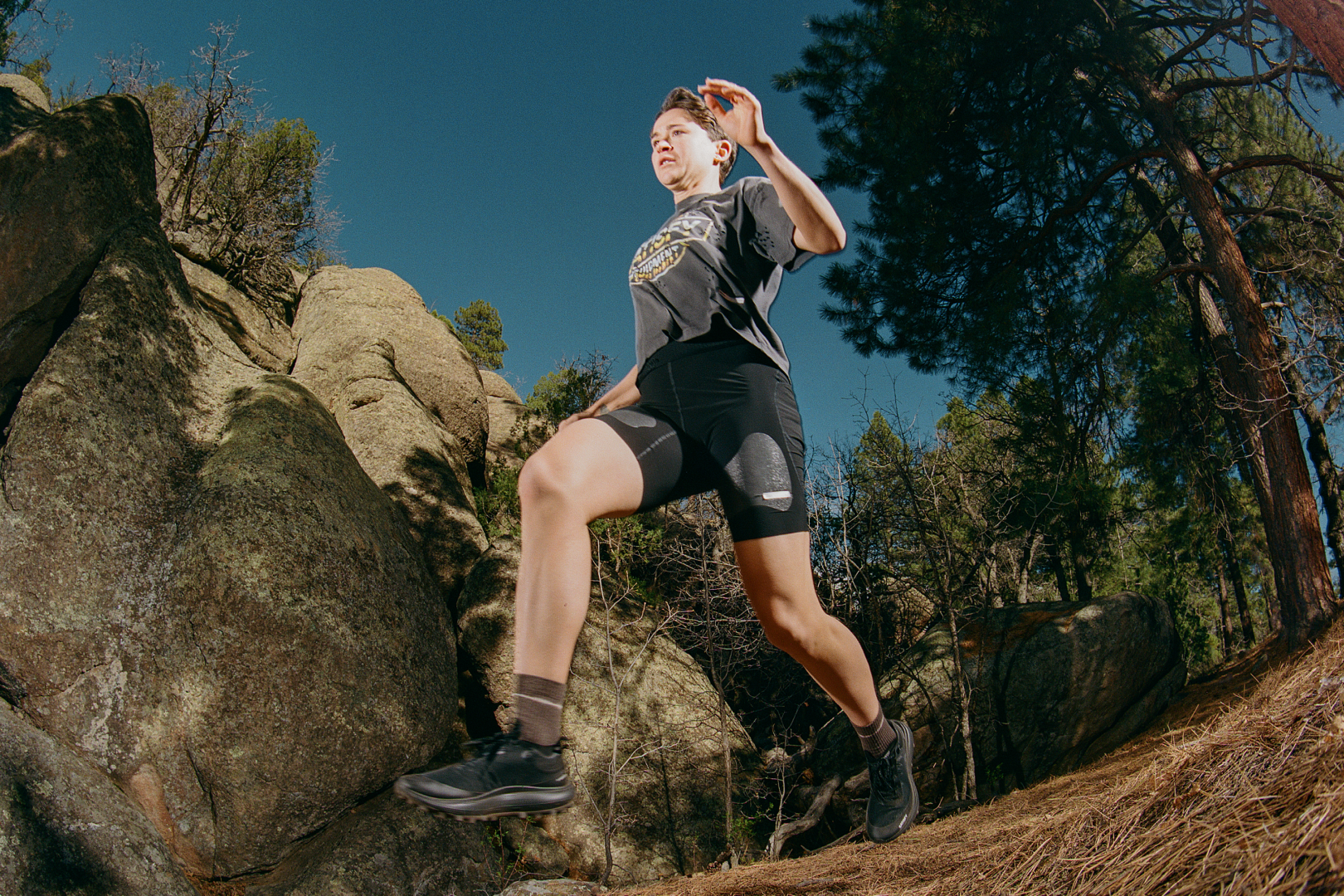
After her sponsorship with Puma expired at the end of 2024, the Tokyo Olympic marathon bronze medalist intentionally stepped away from the rigorous world of road marathoning, took some time off to retool, aligned with a new coach, and then immersed in trail running without the constraints of a footwear and apparel sponsor.
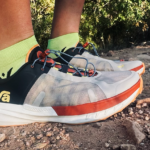
She signed with Satisfy in April, a French brand known for its counter-culture disruptiveness. Even though Satisfy released its first shoe (called The Rocker), Seidel is free to run in any shoe she wants to.
“I was really struck by the attitude they’re bringing to trail running with their going-against-the-grain, punk rock attitude they have, and I really resonate with that,” Seidel said. “I think they bring something really special to the sport, and they’re so focused on the culture of what running is. There is a bit of that attitude of how you do something is just as important as what you do. And especially at this point in my career, it made so much sense to go with them.”
RELATED: Everything You Need to Know About Western States 2026
RELATED: Top Contenders in the Western States 100 Women’s Field
RELATED: Top Contenders in the Western States 100 Men’s Field
- UltraSignup’s David Callahan joins the Unrationed Podcast
- The Art of Taking Running Seriously, But Not Too Seriously
- UltraSignup Hosts 2026 US Trail Running Conference in Nashville, Launching New Registration Platform
- How Andrea Moore Became a Prolific 200-Miler
- 20 Great Fall Trail Running Races You Will Love
- Trail Tested: Teva TrailPeak