Six Hot Takes from the Running Industry’s Biggest Event
The booths that drew the biggest crowds at The Running Event (TRE) trade show December 2-4 in San Antonio, Texas, weren’t the ones with the most exciting product. They were the ones that gave you something to film. SpiBelt brought a live sloth. Tantrums built a replica New York bodega. Satisfy constructed an incense-filled hall of mirrors guarded by French hipsters. These aren’t product demos, they’re sets.
There’s a theory from the podcast Search Engine that I can’t stop thinking about. Writer Ryan Broderick calls it the “Dubai Chocolate” phenomenon, that viral pistachio candy bar that took over TikTok. His point is that the chocolate didn’t blow up because it tastes amazing. It blew up because when you bite into it, green goo oozes out in a way that’s visually strange and strangely compelling. The marketing is baked into the product. The thing is the content. Walking the floor at TRE this year, I realized that’s where the running industry is headed. The booths that won weren’t showcasing better foam or smarter lacing systems. They were offering content opportunities.
That logic has fully arrived at TRE. When your goal is getting creators to post about you, you don’t need a better midsole. You need a sloth. You need a bodega. You need something that makes someone pull out their phone and hit record.
But at some point you have to ask: what are we actually saying? And does anyone remember the product?
Trail Running is Still Growing
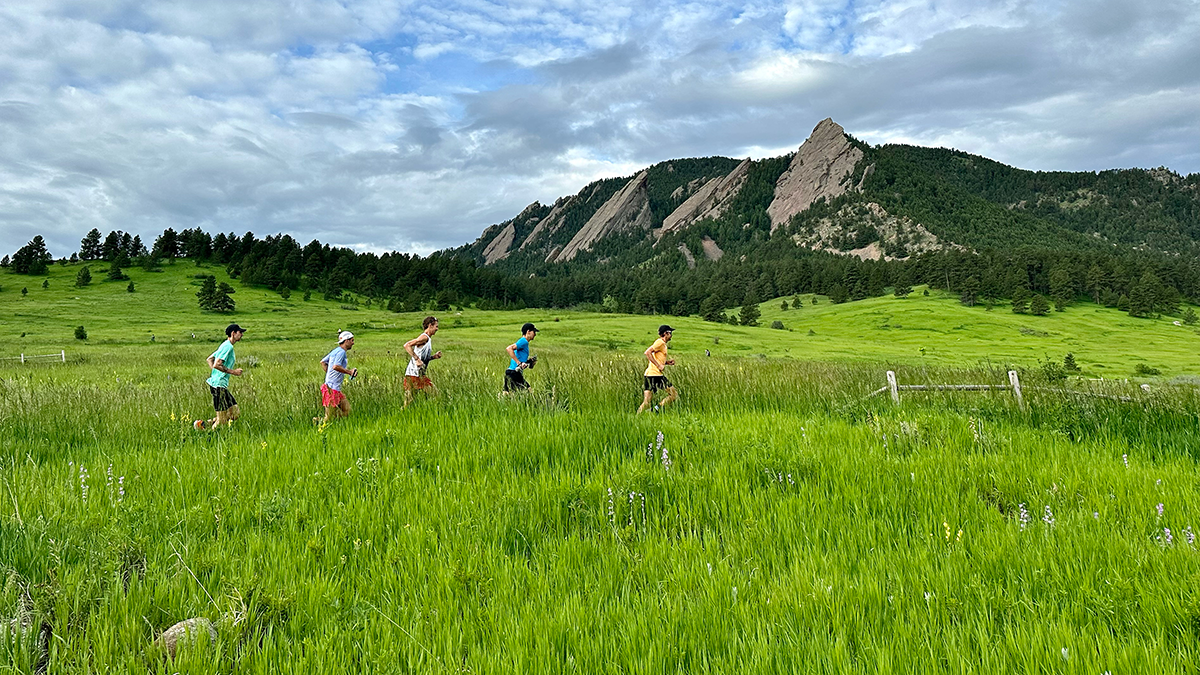
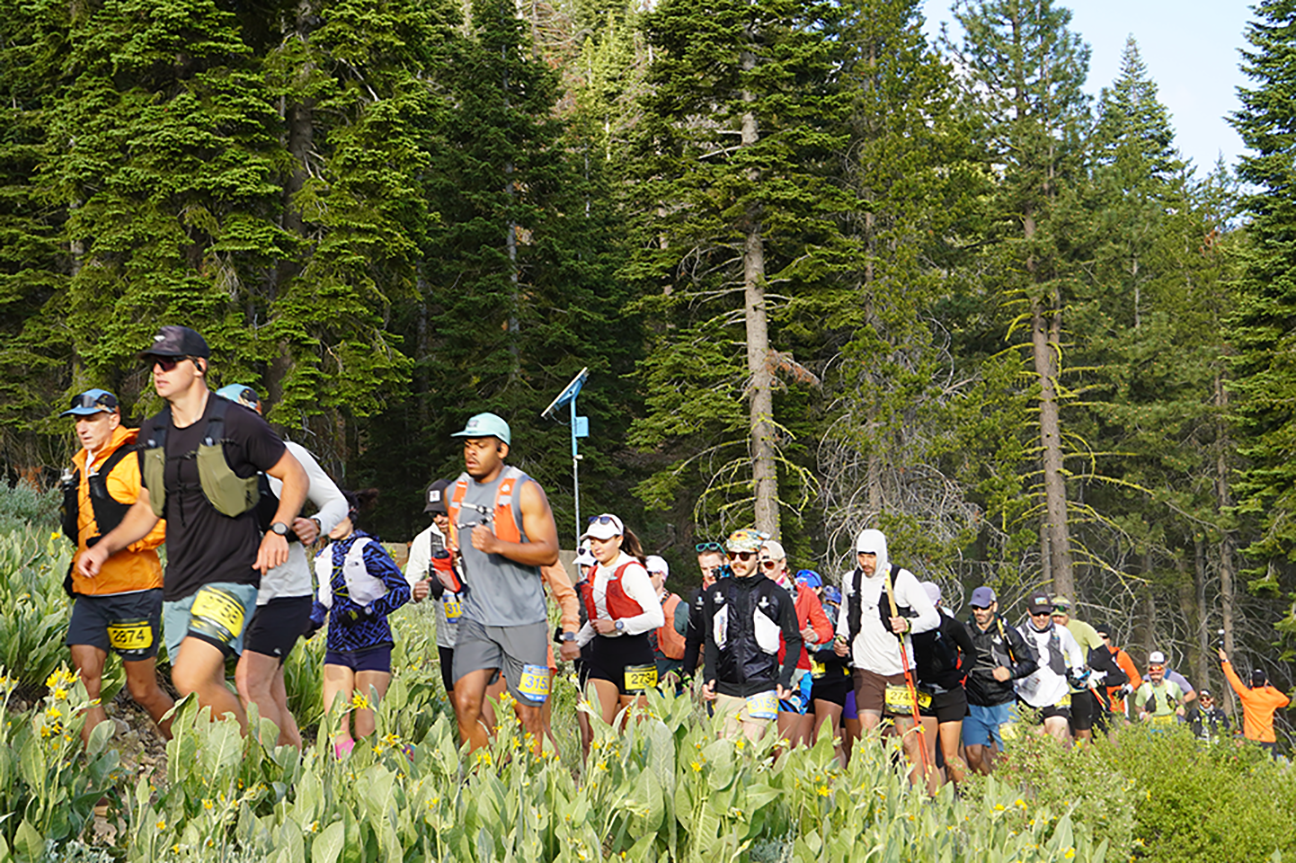
The numbers are almost boring because they just keep going up. Trail running jumped from 13.2 million participants to 14.8 million in a single year according to an industry report, a 12.3 percent increase. It’s been growing at roughly that clip every year since 2010. For every trail runner, there are still 5.3 road runners, which means there’s a lot of room left to run.
That growth was evident in the continued expansion of the “Switchback” section of TRE, the part of the show dedicated to trail and trail-adjacent gear. Every year, more brands hawk flashier off-road equipment with increasingly dirt-centric imagery designed to appeal to the trail-curious. Road brands are adding trail lines. Trail brands are multiplying SKUs. Many booths were broadcasting imagery that looks like it was shot in Chamonix, even if they’re selling a shoe designed for your local park loop. The floor space tells the story the participation numbers already confirmed: trail is where the growth is, and everyone wants in.
But why it’s growing matters more than the growth itself. It’s not because trail runners are chasing PRs. It’s experiential. People want fresh air, scenery, softer surfaces. They want to run with friends and feel like they’re doing something, not just training for something. Strava saw a 59 percent increase in running clubs this year. That’s not a performance trend, it’s a community trend. The industry would be smart to keep leaning into that instead of trying to turn every trail 10K into a mini-UTMB.
What’s Up With Gravel Shoes?
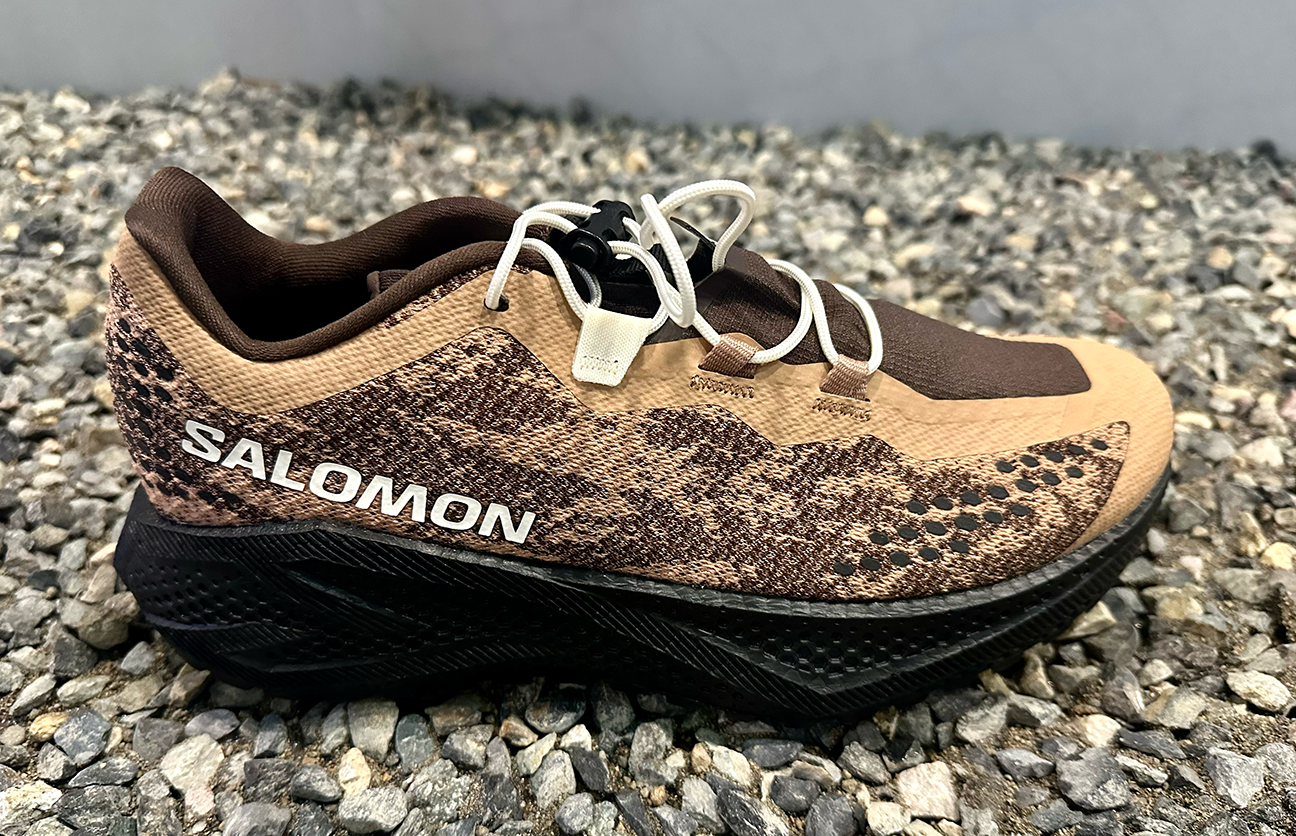
Speaking of things the industry is leaning into: gravel shoes. If you missed this trend, congratulations. The pitch is that gravel shoes sit in the sweet spot between road and trail, road midsoles with a little extra protection for mixed terrain.
Here’s my take: these shoes are kind of nonsense.
A gravel shoe is a chimera. It’s not a good trail shoe. It’s not a great road shoe. It’s a compromise that solves a problem most runners don’t actually have. If you’re running on actual gravel, you’re fine in road shoes. If you’re running on technical terrain, you need a real trail shoe. The “gravel” category exists in a narrow sliver of use cases and a wide expanse of marketing.
What I heard constantly on the floor was the word “quiver.” As in, you need a quiver of shoes for different runs. A daily trainer, a tempo shoe, a long run shoe, a race day flat, a trail shoe, a speed hike shoe, and now, apparently, a gravel shoe. For most runners, that’s just a way to sell you more shoes. This is the industry at its worst, manufacturing demand for a product that probably shouldn’t exist. My advice: own as little gear as you can get away with. Run on whatever surface gets you out the door.
Where Were the Pro Athletes?
Pro athletes felt weirdly absent, especially on the road side. There were more trail athletes around—Caleb Olson, Chris Myers, Rachel Tomajczyk, Ryan Montgomery, Dakota Jones, Krissy Moehl, Zach Friedley, to name a few—but the people with the biggest presence weren’t athletes at all—they were influencers, podcasters, and YouTubers.
Optimistically, many brands are making a push to be more accessible. You could see it in the booth design: $250 carbon-plated racing flats tucked into a corner rather than displayed on a podium, replaced by promises of max cushioning and imagery of run clubs high-fiving in a little too perfect lighting.
I think there’s a fracturing happening. Brands are less dependent on athletes to blur the lines between storyteller and competitor, maybe letting pros just focus on running, while leaning on influencers to craft a more accessible, everyman image that’s coincidentally interwoven with the brand’s marketing strategy.
This can be good and bad. Good because it might bring more people into the sport. But wanting to run really fast can peacefully coexist with influencers high-fiving over an IPA. It’s a big tent. We don’t have to choose.
Indie Media Is Booming
“New media” is quietly taking on the role legacy media used to play, but not all new media is the same.
Journalists can be pesky. We ask follow-up questions. We’re skeptical. Most of us are bad at social media. Influencers, by contrast, are often really good at telling a brand’s story, because that’s the relationship. They’re not there to interrogate. They’re there to share. The influencer marketing industry hit $24 billion last year, and brands are reporting up to 7x ROI on creator campaigns. The public is hungry to see what’s happening at TRE, so brands are flying more influencers than ever to the event. (Though many of us know there’s no such thing as a free lunch.)
Influencer content is often brand storytelling with a human face. It’s effective and engaging, but it’s not journalism. It’s essentially paid marketing content designed to be shared, not scrutinized.
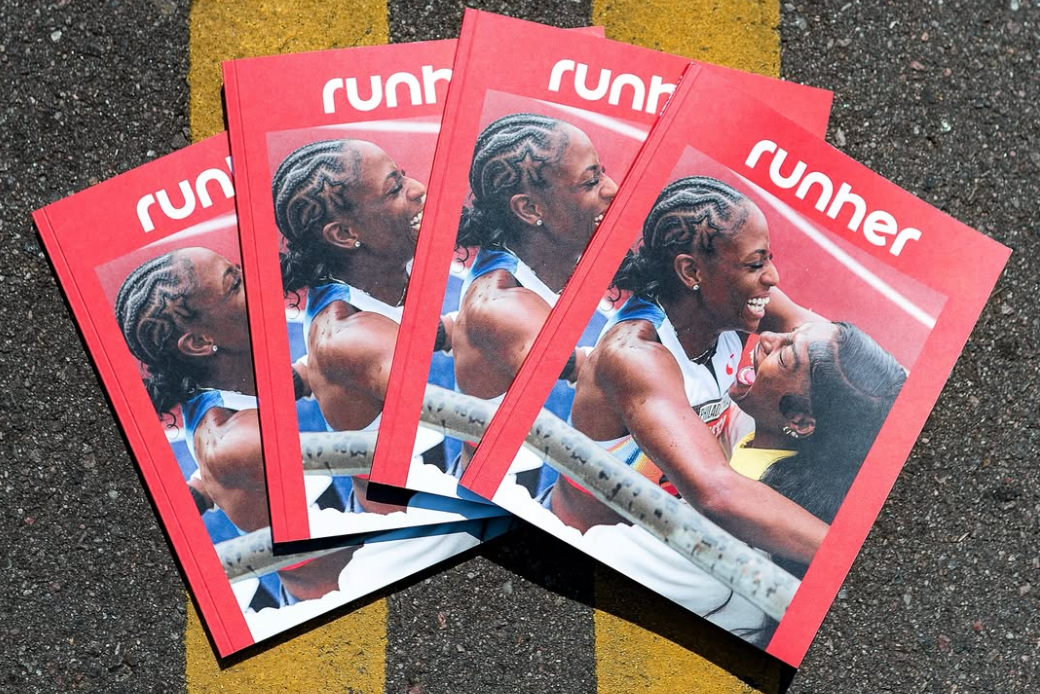
On the other hand, independent media is genuinely thriving. Like the Wind. RUNHER Magazine. Podcasts. Writers building communities on Substack. YouTube channels doing incredible storytelling. Independent trail and ultra media, iRunFar, Freetrail, UltraSignup’s Trailhead Media even, remain robust. We out here.
The niche is working because people want depth. They want content that speaks to why we run, not just how. Whether the rise of influencers is good or bad depends on what you think media should be. But the fact that independent outlets are finding audiences and sustaining themselves feels like something to be genuinely optimistic about.
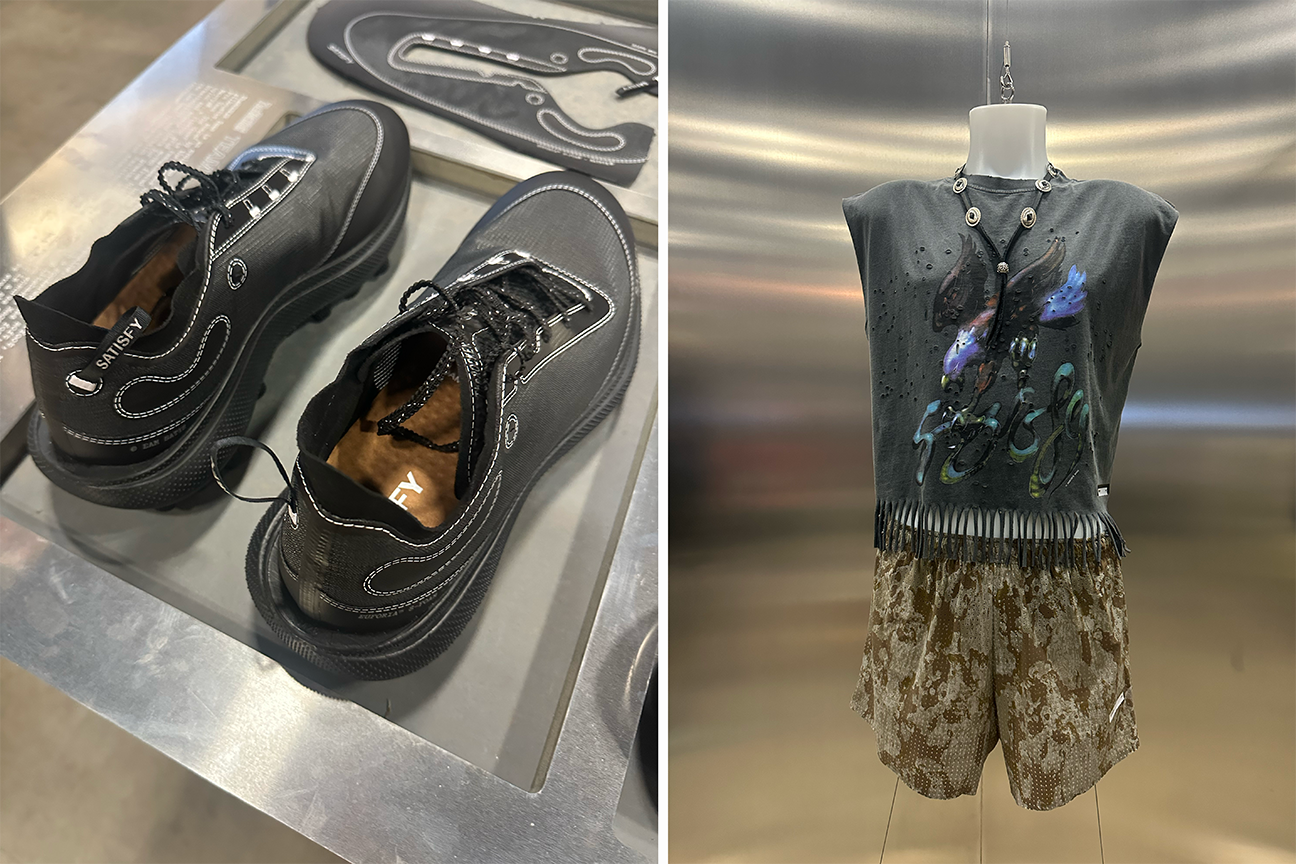
Indie Brands Are Thriving Because Gear Is Getting Boring
A few years ago, the splashy story at TRE was carbon plates. Carbon-plated road shoes! Carbon-plated trail shoes! Everyone was losing their minds over the tech. Now? That tech is just… expected. Supercritical foams have trickled down into mid-range shoes. Carbon plates aren’t a differentiator anymore, they’re table stakes.
So what’s filling the vacuum? Voice. Vibe. Values.
Indie brands like Satisfy, Bandit, Ciele, Tracksmith, Janji, they’re taking up more and more space, both in run specialty stores and on social media—even if some of them are backed by venture capital funding. They’re not winning because their gear is dramatically better. They’re winning because they say something. They have a point of view. They’re tapping into specific communities, Brooklyn run crews, ultrarunners who want to look like they just walked out of a Parisian art gallery, people who care about sustainability, and building real loyalty.
When the gear stops being the story, the brand has to become the story. And right now, the brands with the clearest identity are the ones breaking through.
What Does it All Mean?
If you’re not in the running industry, here’s the honest summary: TRE is a trade show. It’s industry people talking to industry people, with a lot of free beer and branded socks. Most of what happens on the floor doesn’t directly affect whether your next long run feels good or your local race stays in business.
But trade shows are also where you can read the tea leaves. And what I saw this year was a lot of flash, live sloths, replica bodegas, booths designed more for content than conversation, without a ton of substance underneath. The gear itself? Fine. Good, even. But not meaningfully different from last year, or the year before. The real energy wasn’t in product innovation. It was in storytelling, vibes, and the race to be filmed.
I think there’s more flash coming. The industry has figured out that the product isn’t the product anymore, the content is the product. That’s not inherently bad. Trail running is still growing. Independent media is thriving. Indie brands with something to say are finding their people.
But I’d be lying if I said I wasn’t a little wary of a future where running culture is shaped more by what films well than by what actually matters. The sport has always been about showing up and doing the work, whether anyone’s watching or not. I hope we don’t lose that in the scroll.
RELATED: Tahoe Trail Week 2026
RELATED: 10 Great New Running Books of 2026
RELATED: Great Books About Trail Running

1 comment
Buzz Burrell
Brilliant! Very insightful and forthright.
Trade shows have this distinct life cycle for each of us:
1) Wow! Amazing! So many people who love what I love!
2) This is great. I’m learning and meeting people.
3) This is great. I’ve learned where all the free food is.
4) This is great. I have my own booth. I belong.
5) This is good, but a lot of work.
6) I’m not sure if this is worth it. Free beer is still good though.
7) I’m renting a bike, will enjoy the warm weather, and an employee will work the booth.
8) The live blues at the Continental Club is great; don’t even mention the word “shoes”.
9) I’m over it.
10) If I’d known there would be live sloths, I would have come back after an 8 year absence.